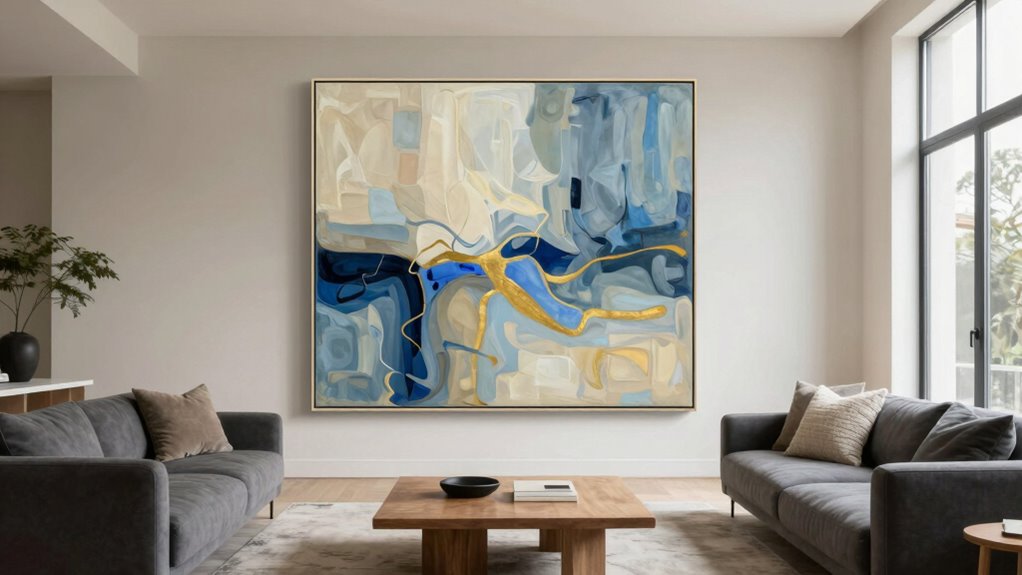
To buy art that works with your room, start by considering your existing decor’s color palette, choosing pieces that either harmonize or provide a lively contrast. Pick frames that match your room style—sleek for modern spaces or ornate for traditional looks. Pay attention to scale and placement, ensuring art complements furniture and room size. Focus on visual balance for a cohesive feel. If you want more ideas, there’s plenty to explore to transform your space entirely.
Play games included with Prime
Start a Prime free trial and play with Amazon Luna on your devices.
As an affiliate, we earn on qualifying purchases.
Key Takeaways
- Choose artwork colors that complement or energize your room’s existing color palette for harmony or contrast.
- Select framing styles that match your room’s aesthetic, whether modern, vintage, or minimalist.
- Consider the scale and placement of art to ensure it acts as a natural focal point or enhances the space.
- Ensure the artwork’s visual weight balances with furniture and other decor elements for harmony.
- Use design principles to select art that feels cohesive and elevates the overall ambiance of the room.
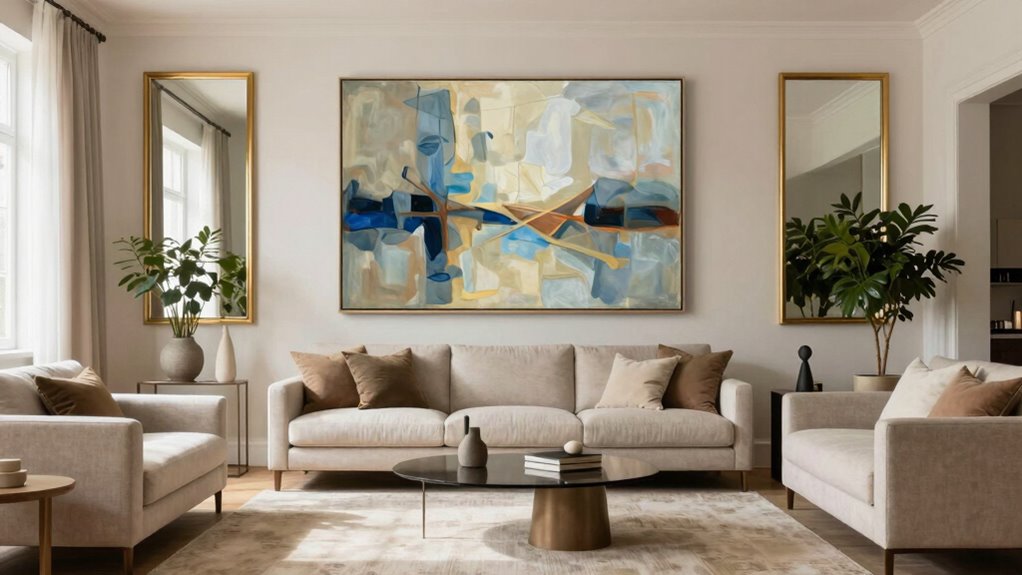
Choosing the right art for a room can transform your space, but it’s not just about picking what looks good—it’s about selecting pieces that complement your environment. When you’re selecting art, consider how the colors in the artwork will interact with your existing decor. Color coordination is key; you want art that either harmonizes with your room’s palette or provides a striking contrast that energizes the space. If your walls are neutral, bold, vibrant pieces can stand out beautifully, while softer, muted artwork can create a calming atmosphere. Conversely, if your room already boasts a lot of color, look for artwork with more subdued tones to avoid visual overload. Taking the time to analyze your room’s color scheme helps in choosing art that feels integrated rather than intrusive. Understanding how color interaction influences visual harmony can make a significant difference in your selection. Framing styles are equally important in ensuring your art complements your space. The right frame can enhance the artwork and tie it into your room’s aesthetic. Modern, sleek frames work well in contemporary settings, while ornate, vintage frames can add a touch of elegance to traditional decor. If your furniture and accessories feature minimalist lines, opt for simple frames that won’t compete with the art. For rooms with more decorative elements, more elaborate frames can add character and depth. Remember, the frame should support the overall vibe of your room, making the art feel like a natural extension of your decor rather than an afterthought. You also want to think about scale and placement. Large pieces can serve as focal points, especially if your space is open and airy. Smaller works can create a gallery wall or add interest to narrow spaces. When hanging art, aim for eye level for the best visual impact—this usually means placing the center of the piece about 57-60 inches from the floor. Make sure the art you choose isn’t fighting against your room’s design but instead enhancing it. If your room features a lot of textures or patterns, select artwork that offers visual balance—either through simplicity or complementary complexity. Additionally, considering the artwork’s scale and placement can influence how well it integrates with your existing furniture and layout. Paying attention to visual harmony can help you create a cohesive and inviting atmosphere within your space. Achieving a balanced visual weight among the elements in your room can make your decor feel more harmonious. Ultimately, choosing art that works with your room requires a thoughtful eye for color, framing, and scale. When you get those details right, your artwork will feel like a natural part of your space, elevating your decor instead of competing with it. It’s about creating harmony and making your room feel cohesive and inviting, where every element supports the overall aesthetic. Moreover, understanding interior design principles can further guide your selection process to ensure your art enhances the overall style of your space.
As an affiliate, we earn on qualifying purchases.
Frequently Asked Questions
How Do I Choose Art for Small Spaces?
When choosing art for small spaces, opt for Art Styles that complement your room’s scale, like minimalistic or abstract pieces. Use Display Techniques such as large-scale artwork or a gallery wall to create visual interest without overwhelming. Keep colors light and frames simple to enhance the sense of space. You want your art to add personality while maintaining a balanced, open feel that makes the room inviting.
What Colors Should I Avoid in Artwork?
You should avoid bold, harsh colors like neon or overly dark shades, as they can overwhelm a space. Instead, consider color psychology—cool tones like blues and greens promote calm, while warm tones like reds and oranges energize a room. Be mindful of artistic styles; busy, chaotic styles may clash with your decor. Opt for harmonious hues and styles that complement your room’s mood and existing color palette.
How Large Should Artwork Be for a Wall?
The perfect art size can transform your space—so, how large should your artwork be? Follow art size guidelines and wall proportion tips to find the ideal fit. Typically, aim for art that’s about two-thirds to three-quarters the width of your furniture, or roughly 60-75% of the wall space. This balance creates visual harmony, drawing attention without overwhelming, and keeps your room feeling cohesive and inviting.
Can Art Be Used to Hide Imperfections?
Yes, art can effectively hide imperfections when you consider art placement and wall harmony. Choose larger pieces or strategically positioned artwork to divert attention from flaws. Use framing and colors that complement your wall, creating a cohesive look. By aligning art thoughtfully, you draw focus away from imperfections and enhance your space’s overall aesthetic. Remember, well-chosen art can transform and elevate your room, making imperfections less noticeable.
How Do I Incorporate Personal Meaning Into Art Choices?
You can incorporate personal meaning into your art choices by selecting pieces that evoke an emotional connection or reflect personal symbolism. Think about what resonates with you—whether it’s a memory, a place, or an idea—and choose artwork that embodies those feelings or stories. This way, your art becomes more than decor; it transforms your space into a reflection of your identity and experiences.
Conclusion
Think of your room as a garden, and your art as the vibrant blooms. When you choose art that complements your space, it’s like planting flowers that thrive together, creating harmony and beauty. Trust your instincts, select pieces that speak to your style, and let them breathe life into your room. With the right art, your space becomes a lush landscape—welcoming, balanced, and uniquely yours.
Fall Picks
fall essentials
As an affiliate, we earn on qualifying purchases.