TL;DR
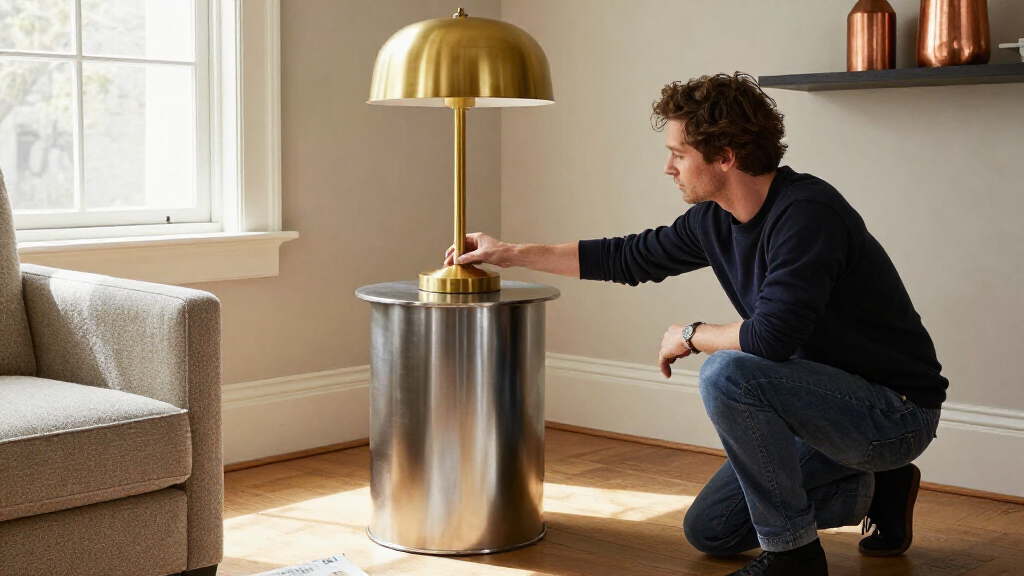
Interior designers say mixed metal finishes can add contrast and a collected feel when they relate to a room’s palette and are used with a clear balance. Their advice includes making one metal dominant, varying sheen and patina, and choosing where finishes differ rather than requiring every fixture to match.
Interior designers are recommending that homeowners mix metal finishes rather than match every fixture and fitting, saying the approach can add contrast and a more collected feel when it is tied to the room’s wider palette. Their guidance, published in a design-advice feature, focuses on choosing compatible tones, varying surface finishes and deciding which elements should remain consistent.

Get furniture and decor delivered free with Prime
- Fast, free delivery on millions of items
- Prime Video, Amazon Music and more included
- Member-only deals all year
Luba Libarikian, founder of Libarikian Interiors, says combinations of brass, bronze and black are common because brass and bronze share warm tones, while black can work as an accent. She says cooler silver finishes, such as polished nickel, can also sit alongside brass, but recommends making one finish dominant so the contrast does not feel uncontrolled.
Marea Clark, founder of Marea Clark Interiors, advises judging metals in relation to paint, flooring and fabrics, rather than selecting finishes in isolation. The metals do not need to match, she says, but should make sense within the larger scheme. Lisa Staton, founder of Lisa Staton Interior Design, adds that designers can vary not just metal type but also sheen and patina: a polished surface beside an aged or softly patinated one can provide contrast, and the finishes do not need to appear in equal quantities.
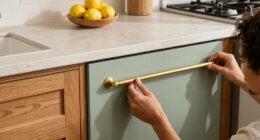
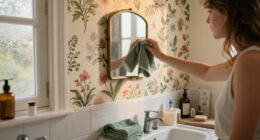
The designers point to kitchens, bathrooms and bar areas as places where mixed metals can work. Libarikian says low, moody lighting in a bar area may help different materials feel cohesive. In kitchens, she says hardware can vary when finishes share similar undertones. Clark typically keeps plumbing fixtures and cabinet hardware consistent, then introduces another finish through lighting, such as bronze pendants or sconces alongside polished nickel or antique brass. Renée Gaddis, founder of Renée Gaddis Interiors, says mixed bathroom finishes can soften a room’s appearance and give it a more personal, layered feel.
Mix metals with intention for a collected room
Designers say different metal finishes can add contrast when they connect to the room’s palette and have a clear balance.
Start with the room
Judge finishes alongside paint, flooring and fabrics.
Brass and bronze share warm tones; black can work as an accent.
One finish should lead so the contrast feels controlled.
Pair polished metal with an aged or softly patinated surface.
Where to introduce contrast
Different rooms can balance finishes in different ways.
Keep undertones aligned
Hardware can vary when the finishes share similar undertones.
Add a layered feel
Mixed finishes can soften the room and make it feel more personal.
Use the lighting
Low, moody lighting may help different materials feel cohesive.
Keep some elements consistent
A second finish can bring contrast without making every fixture compete.
- Plumbing fixtures
- Cabinet hardware
- Lighting, such as bronze pendants or sconces
- Accents in polished nickel or antique brass
Try it at home
The designers’ guidance is qualitative; there is no universal ratio or required combination.
- Review metal samples beside the actual paint, fabrics and flooring.
- Decide where matching matters and where a contrasting finish can go.
- Use proportion and placement to keep the scheme cohesive.
A Practical Alternative to Matching
The advice offers homeowners an alternative to choosing a single finish for every handle, tap, light and accessory. Used with a clear relationship between tones and surfaces, mixed metals can create visual contrast without making each element compete for attention. That can be useful in rooms where fixtures and hardware are bought at different times or where a uniform finish would feel too coordinated for the intended design.
The designers’ comments are guidance, not a tested rulebook: the feature does not set a universal ratio or prescribe one combination for every home. Its practical message is to treat the metal finishes as part of the room’s broader palette, and to use placement and proportion to control how much contrast appears.
Products Worth Considering

TCL 75-Inch QM8L Series 4K QLED Smart Google TV

Philips Hue Play HDMI Sync Box 8K

Dyson Airwrap i.d. Multi-Styler with Bluetooth Connectivity
As an affiliate, we earn on qualifying purchases.
How Designers Build Cohesion
The feature challenges the idea that every metal element in a room must match. Instead, the designers describe a scheme in which finishes can differ while still sharing a visual connection, such as warm undertones or a deliberate contrast between light and dark. Libarikian’s examples pair brass and bronze for their warmth, while black acts as a flexible accent.
There is no single approach across all the designers’ examples. Clark favors keeping plumbing and cabinet hardware aligned, then adding variation through lighting. Libarikian is open to mixing kitchen hardware if the undertones work together, and Gaddis highlights the effect of varied finishes in bathrooms. These are individual design preferences, not a claim that one room or combination has to follow a fixed formula.
“Mixing metals in a room is a good way to add variety and contrast, and a way for a room to feel like it was collected over time.”
— Luba Libarikian, founder of Libarikian Interiors
No Fixed Formula for Every Room
The feature does not specify exact proportions for each finish, a required number of metals, or a standard method for deciding which finish should dominate. The advice is qualitative and reflects the designers’ stated preferences; results will depend on the room’s colors, materials, lighting and fixture choices. It also does not compare the approach with matching finishes through consumer testing or provide cost or durability data.
Apply the Advice to Your Palette
For a homeowner planning a room, the designers’ next step is to review metal samples alongside the actual paint, fabrics and flooring, then decide where consistency matters and where contrast can be introduced. A restrained approach could keep cabinet or plumbing hardware in one finish while using a second metal for lighting or accents. The guidance provides no announced follow-up study or new product launch; it is intended as practical advice for individual design decisions.
Key Questions
Do all the metal finishes in a room need to match?
No. The designers say finishes can differ, provided they relate to the room’s overall palette and do not make the scheme feel scattered.
Which metals do designers commonly combine?
Luba Libarikian identifies brass, bronze and black as common choices. She says brass and bronze share warm tones, while black can work as an accent. Silver finishes such as polished nickel can also be paired with brass, with one finish kept dominant.
Can different sheens be mixed as well as different metals?
Yes. Lisa Staton recommends combining finishes such as polished metal with an aged or softly patinated surface. She also says the metals do not need to be used in equal amounts.
Where can mixed metals work?
The designers mention kitchens, bathrooms and bar areas. One approach is to keep plumbing fixtures and cabinet hardware consistent, then vary the finish on lighting or accents.
Source: veranda.com