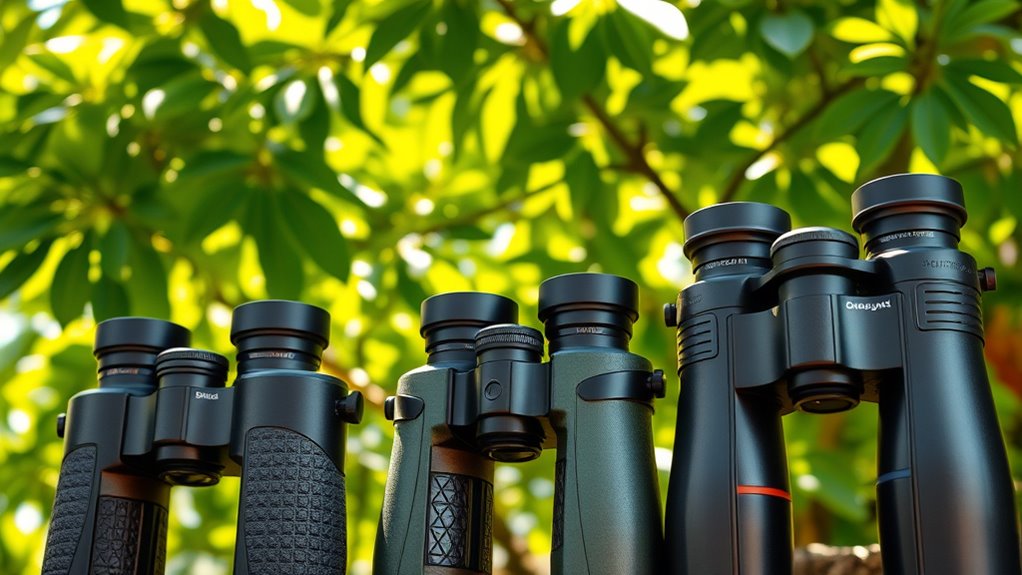

High-end hunting binoculars can sharpen low-light observation, speed up range checks, or steady a distant view, but no single design excels at all three. I name the SIG SAUER KILO10K-ABS HD Gen II the best overall for hunters who want advanced rangefinding integrated with binocular viewing; the ZEISS Conquest HDX 15×56 stands out for distant glassing, while the SIG SAUER ZULU6 HDX PRO 12×42 brings image stabilization to a more mobile setup. The central tradeoff is between lighter, easier-to-hold 10×42 models and larger or stabilized options that can make far-off details easier to study. Rangefinding models add field efficiency, but they also add complexity compared with dedicated optics. Read on for the full comparison and guidance on matching magnification, handling, and features to your hunting style.

Get furniture and decor delivered free with Prime
- Fast, free delivery on millions of items
- Prime Video, Amazon Music and more included
- Member-only deals all year
Complete the kit


Key Takeaways
- Rangefinding and image stabilization solve different problems: the KILO10K-ABS HD Gen II, Canyon, BX-4 Range HD, and Fury HD 5000 combine viewing with distance measurement, while the ZULU6 models steady the image rather than measure range.
- Magnification changes how you use binoculars: 10×42 models are more practical for scanning on the move, while 15×56 and 18×56 designs favor stationary glassing and usually benefit from support.
- Stabilization can make higher power more usable: the ZULU6 HDX PRO 12×42, ZULU6 HDX PRO 18×50, and Zulu6 HDX OIS 16×42 address hand shake, though size, battery needs, and operating complexity matter.
- Large objectives and premium optics are not interchangeable advantages: 50mm and 56mm formats suit extended glassing, but their bulk can be a disadvantage on long hikes or in tight cover.
- The lineup spans very different budgets and skill levels: the Vortex Triumph HD 12×50 is a simpler entry point, while the Razor UHD 18×56 and feature-rich rangefinding models make the most sense for buyers with specific performance needs.
| SIG SAUER KILO10K-ABS HD Gen II Rangefinding Binocular |  | Best for Long-Range Ballistic Planning | Magnification: 10x | Objective lens diameter: 42 mm | Rangefinder distance: Up to 10,000 yards | VIEW ON AMAZON | See Our Full Breakdown |
| Leupold BX-3 Alpine HD 12x50mm Binoculars |  | Best for High-Magnification Glass on a Simpler Setup | Magnification: 12x | Objective lens diameter: 50 mm | Optical system: Elite Optical System | VIEW ON AMAZON | See Our Full Breakdown |
| ZEISS Conquest HDX 15×56 Binoculars |  | Best for Tripod-Based Distant Glassing | Magnification: 15x | Objective lens diameter: 56 mm | Exit pupil: 3.7 mm | VIEW ON AMAZON | See Our Full Breakdown |
| SIG SAUER Canyon 10×42 Laser Rangefinding Binoculars |  | Best Rangefinding Value for General Hunting | Magnification: 10x | Objective lens diameter: 42 mm | Range, reflective surfaces: Up to 4,000 yards | VIEW ON AMAZON | See Our Full Breakdown |
| SIG SAUER ZULU6 HDX PRO 12x42mm Binoculars |  | Best Image-Stabilized Hunting Binocular | Magnification: 12x | Maximum magnification: 20x | Objective lens diameter: 42 mm | VIEW ON AMAZON | See Our Full Breakdown |
| Steiner Predator 15×56 Binoculars |  | Best for Rugged Long-Range Glassing | Magnification: 15x | Objective lens diameter: 56 mm | Exit pupil diameter: 3.73 mm | VIEW ON AMAZON | See Our Full Breakdown |
| Leupold BX-4 Range HD TBR/W 10x42mm Range-Finding Binoculars, Shadow Gray |  | Best for Ballistic Rangefinding | Model: 182883 | Magnification: 10x | Objective lens diameter: 42 mm | VIEW ON AMAZON | See Our Full Breakdown |
| Vortex Razor UHD 18×56 Binoculars with GlassPak Pro Harness |  | Best Premium High-Magnification Pick | Magnification: 18x | Objective lens diameter: 56 mm | Prism type: Roof prism (Abbe-Koenig) | VIEW ON AMAZON | See Our Full Breakdown |
| Vortex Triumph HD 12×50 Binoculars |  | Best Value-Oriented General-Purpose Pick | Magnification: 12x | Objective lens diameter: 50 mm | Prism type: Roof prism | VIEW ON AMAZON | See Our Full Breakdown |
| Leupold BX-4 Pro Guide HD Gen 2 Binoculars, 12x50mm |  | Best for Weather-Exposed 12x Glassing | Model number: 184763 | Magnification: 12x | Objective lens diameter: 50 mm | VIEW ON AMAZON | See Our Full Breakdown |
| Vortex Diamondback HD 15×56 Binoculars | 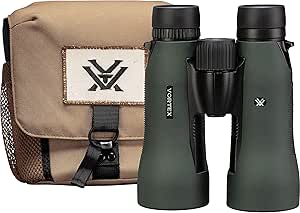 | Best for Tripod-Based Long-Range Glassing | Magnification: 15x | Objective lens diameter: 56 mm | Field of view: 230 ft | VIEW ON AMAZON | See Our Full Breakdown |
| SIG SAUER ZULU6 HDX PRO 18x50mm Image Stabilized Binoculars, FDE |  | Best for Maximum Stabilized Reach | Magnification: 18x | Objective lens diameter: 50 mm | Image stabilization: OmniScan OIS | VIEW ON AMAZON | See Our Full Breakdown |
| Vortex Fury HD 5000 10×42 Laser Rangefinding Binoculars |  | Best for Integrated Ranging | Magnification: 10x | Objective lens diameter: 42 mm | Maximum reflective range: 5000 yd | VIEW ON AMAZON | See Our Full Breakdown |
| SIG SAUER Zulu6 HDX OIS 16x42mm Roof Prism Binoculars, FDE |  | Best for Stabilized Midweight Glassing | Magnification: 16x | Objective lens diameter: 42 mm | Image stabilization: OIS Scan and Target modes | VIEW ON AMAZON | See Our Full Breakdown |
| highend hunting binocular | Magnification | Objective lens diameter | Field of view | Eye relief |
|---|---|---|---|---|
| SIG SAUER KILO10K-ABS HD Gen I | 10x | 42 mm | 5.2° | 22 mm |
| Leupold BX-3 Alpine HD 12x50mm | 12x | 50 mm | — | — |
| ZEISS Conquest HDX 15×56 Binoc | 15x | 56 mm | 240 ft | 18 mm |
| SIG SAUER Canyon 10×42 Laser R | 10x | 42 mm | 6.71° | 15 mm |
| SIG SAUER ZULU6 HDX PRO 12x42m | 12x | 42 mm | — | — |
| Steiner Predator 15×56 Binocul | 15x | 56 mm | 215 feet | — |
| Leupold BX-4 Range HD TBR/W 10 | 10x | 42 mm | 29.5 degrees | — |
| Vortex Razor UHD 18×56 Binocul | 18x | 56 mm | 194 ft | 18 mm |
| Vortex Triumph HD 12×50 Binocu | 12x | 50 mm | — | 16 mm |
| Leupold BX-4 Pro Guide HD Gen | 12x | 50 mm | 6.84° | — |
| Vortex Diamondback HD 15×56 Bi | 15x | 56 mm | 230 ft | 15.6 mm |
| SIG SAUER ZULU6 HDX PRO 18x50m | 18x | 50 mm | 6 degrees | 15.3 mm |
| Vortex Fury HD 5000 10×42 Lase | 10x | 42 mm | 321.6 ft | 16 mm |
| SIG SAUER Zulu6 HDX OIS 16x42m | 16x | 42 mm | — | 16 mm |
More Details on Our Top Picks
SIG SAUER KILO10K-ABS HD Gen II Rangefinding Binocular
The KILO10K-ABS HD Gen II is the most capable choice here for hunters who want ranging and ballistic guidance in one instrument. Its 10,000-yard stated range and Applied Ballistics Elite solver go beyond the SIG SAUER Canyon 10×42’s 4,000-yard reflective-target range, making this a stronger fit for open country and long-distance shooting setups. The customizable OLED display keeps information in view, while 10x magnification and 42mm objectives retain a familiar hunting format. The tradeoff is that this is a specialist tool, not simply a premium glass upgrade: its 2.62mm exit pupil is relatively small, and individual manual focus can take more setup than a center-focus binocular. Choose it for integrated ballistic data, not for the brightest low-light view in this group.
Pros:- Rangefinder specified for distances up to 10,000 yards
- Applied Ballistics Elite solver supports ballistic calculations
- Customizable OLED display presents ranging information in the view
- Waterproof and fog-proof construction
Cons:- The 2.62mm exit pupil offers less light per view than the SIG SAUER Canyon’s 4.2mm exit pupil
- Individual manual focus is less convenient when users share the binocular
- Integrated ballistic electronics add complexity compared with non-ranging optics
Best for: Open-country hunters and shooters who want long-range readings and onboard ballistic calculations in one binocular.
Not ideal for: Hunters prioritizing a wide, bright low-light view or straightforward shared use; the small exit pupil and individual manual focus are less accommodating.
- Magnification:10x
- Objective lens diameter:42 mm
- Rangefinder distance:Up to 10,000 yards
- Exit pupil:2.62 mm
- Eye relief:22 mm
- Field of view:5.2°
- Display and solver:Customizable OLED; Applied Ballistics Elite
- Power:Rechargeable lithium-ion battery
- Protection:Waterproof and fog-proof
Our verdict“Choose the KILO10K-ABS HD Gen II if long-range ranging and ballistic calculations matter more than a simpler, brighter viewing setup.”
Leupold BX-3 Alpine HD 12x50mm Binoculars
The BX-3 Alpine HD suits hunters who want 12x detail and 50mm objectives without adding a rangefinder or electronic display. Its Elite Optical System is designed to improve light transmission and sharpness, while interchangeable Form-Fit eyecups offer a way to tailor eye placement and help limit glare. Compared with the SIG SAUER KILO10K-ABS HD Gen II, this Leupold gives up distance readings and ballistic tools, but keeps the experience focused on observation. The magnesium chassis and waterproof, fogproof construction support field use; its lifetime repair-or-replacement warranty is another practical distinction. The cost of this simpler approach is that 12x magnification can make handheld scanning less steady than 10x models such as the SIG SAUER Canyon, and the supplied information does not specify field of view or eye relief.
Pros:- 12x magnification brings distant detail closer
- 50mm objectives and Elite Optical System are designed to support light transmission and sharpness
- Interchangeable Form-Fit eyecups can help tailor fit and reduce glare
- Waterproof, fogproof magnesium chassis with lifetime repair-or-replacement warranty
Cons:- Higher magnification can make handheld viewing less steady than 10x alternatives
- No integrated rangefinder or ballistic features
- Field of view and eye relief are not specified in the provided product data
Best for: Hunters who prefer high-magnification observation, want 50mm objectives, and do not need a built-in rangefinder.
Not ideal for: Hunters who scan extensively handheld or need integrated ranging; 12x magnification is less forgiving to hold steady, and this model has no rangefinder.
- Magnification:12x
- Objective lens diameter:50 mm
- Optical system:Elite Optical System
- Chassis material:Magnesium
- Water resistance:Waterproof and fogproof
- Eyecups:Interchangeable Form-Fit
- Color:Shadow gray
- Warranty:Lifetime repair or replacement
Our verdict“Pick the BX-3 Alpine HD if you want straightforward 12x hunting optics with 50mm objectives and can manage the steadier hold they demand.”
ZEISS Conquest HDX 15×56 Binoculars
The Conquest HDX is the specialist pick for hunters who settle in and study distant terrain rather than sweep it quickly from hand. Its 15x magnification and 56mm objectives pair with ED glass, aspheric lenses, and FieldFlattener Technology for detailed views intended to stay sharp across the image. ZEISS T* and LotuTec coatings, plus stated 90% light transmission, strengthen its case for extended glassing when conditions are less than ideal. Against the Leupold BX-3 Alpine HD, the ZEISS offers more magnification and more specified optical technologies, but demands a steadier platform: handheld shake is more visible at 15x, so the tripod interface is central to getting the most from it. Its 18mm eye relief may also be limiting for some eyeglass wearers.
Pros:- 15x magnification and 56mm objectives support detailed distant observation
- ED glass, aspheric lenses, and FieldFlattener Technology are designed for edge-to-edge clarity
- ZEISS T* and LotuTec coatings and stated 90% light transmission
- Magnesium housing with waterproof, fogproof, and shockproof construction
Cons:- 15x magnification makes handheld viewing less steady
- A tripod is recommended to take full advantage of the magnification
- 18mm eye relief may not suit every eyeglass wearer
Best for: Hunters who glass distant ridgelines from a stationary position and are prepared to use a tripod for steadier 15x viewing.
Not ideal for: Mobile hunters who scan on foot or need a quick handheld view; high magnification is more sensitive to movement than the Leupold BX-3 Alpine HD’s 12x.
- Magnification:15x
- Objective lens diameter:56 mm
- Exit pupil:3.7 mm
- Eye relief:18 mm
- Field of view:240 ft
- Lens coatings:LotuTec / ZEISS T*
- Housing:Magnesium
- Mount:Tripod mount
- Water resistance:Waterproof
Our verdict“Choose the Conquest HDX for detailed, tripod-supported glassing at long distances rather than fast handheld scanning.”
SIG SAUER Canyon 10×42 Laser Rangefinding Binoculars
The Canyon 10×42 brings useful ranging tools to a familiar, versatile hunting configuration. Its 10x magnification, 42mm objectives, and 6.71° field of view make it more suited to locating and tracking targets than the higher-power ZEISS Conquest HDX 15×56, while the integrated rangefinder adds practical field information. Range claims reach 4,000 yards on reflective surfaces and 1,500 yards on non-reflective targets; scan mode updates readings four times per second, and onboard ballistic groups add support without the more advanced Applied Ballistics Elite solver found in SIG SAUER’s KILO10K-ABS HD Gen II. That distinction makes the Canyon a more straightforward ranging option, but its 15mm eye relief is shorter than the KILO’s 22mm, and individual manual focus can slow handoffs between users.
Pros:- Range specified up to 4,000 yards on reflective surfaces and 1,500 yards on non-reflective targets
- Scan mode updates range readings four times per second
- Multiple ranging modes and eight onboard ballistic groups
- 6.71° field of view and waterproof construction
Cons:- Shorter 15mm eye relief than the KILO10K-ABS HD Gen II
- Individual manual focus can be inconvenient when users share the binocular
- Range claims are lower than the KILO10K-ABS HD Gen II’s stated 10,000-yard maximum
Best for: Hunters who want 10x binoculars with integrated ranging, scan mode, and basic onboard ballistic options for mixed terrain.
Not ideal for: Long-range shooters who need the KILO10K-ABS HD Gen II’s 10,000-yard range claim and Applied Ballistics Elite solver, or eyeglass wearers who need more eye relief.
- Magnification:10x
- Objective lens diameter:42 mm
- Range, reflective surfaces:Up to 4,000 yards
- Range, non-reflective targets:Up to 1,500 yards
- Eye relief:15 mm
- Exit pupil:4.2 mm
- Field of view:6.71°
- Display:Illuminated red OLED
- Tripod mount:Standard 1/4″-20
Our verdict“Choose the Canyon if you want a broad-viewing 10x hunting binocular with integrated ranging but do not need the KILO’s extended range and advanced solver.”
SIG SAUER ZULU6 HDX PRO 12x42mm Binoculars
The ZULU6 HDX PRO is the lineup’s pick for hunters who want higher magnification without committing to a tripod. Its fourth-generation OmniScan and OmniLock stabilization is designed to reduce image movement, giving it a different job from the Leupold BX-3 Alpine HD 12×50, which relies on a conventional steady hold. ED glass and SpectraCoat anti-reflection coatings support light transmission and color resolution, while IPX7 waterproof and fogproof protection suits changing field conditions. The listed runtime of up to 40 hours on two AA batteries is practical for extended outings, though battery dependence means carrying spares. Its 42mm objectives are smaller than the Leupold’s 50mm, and the supplied 1.9-ounce weight figure appears questionable for binoculars, so I would not use that specification to judge carry comfort.
Pros:- Fourth-generation image stabilization is designed to steady handheld 12x viewing
- ED glass and SpectraCoat anti-reflection coating support light transmission and color resolution
- IPX7 waterproof and fogproof construction
- Up to 40 hours of operation on two AA batteries
Cons:- Requires two AA batteries for stabilization and operation
- 42mm objectives are smaller than the Leupold BX-3 Alpine HD’s 50mm lenses
- Listed weight of 1.9 ounces may be inaccurate, making carry-weight comparisons uncertain
Best for: Hunters who need stabilized 12x viewing for handheld observation from a ridge, blind, or other field position.
Not ideal for: Buyers who want passive optics without battery dependence, or who prioritize larger objectives over stabilization; the BX-3 Alpine HD has 50mm objectives.
- Magnification:12x
- Maximum magnification:20x
- Objective lens diameter:42 mm
- Exit pupil:3.5 mm
- Image stabilization:Fourth-generation OmniScan and OmniLock
- Coating:SpectraCoat ultra-wide anti-reflection
- Runtime:Up to 40 hours
- Power source:Two AA batteries
- Protection:IPX7 waterproof and fogproof
Our verdict“Choose the ZULU6 HDX PRO if steady handheld 12x viewing matters more than battery-free simplicity or larger objective lenses.”
Steiner Predator 15×56 Binoculars
The 15x magnification and 56 mm objectives suit hunters who need to pick out detail across open country, while the Diamond coating is intended to boost contrast in dim conditions. Compared with the Vortex Triumph HD 12×50, this Steiner favors greater reach and a larger objective lens over easier handheld scanning. At 15x, though, even small hand movements can blur the view, so its tripod mount is more than a convenience for extended observation. The waterproof, nitrogen-sealed, shock-resistant aluminum body is built for rough field conditions, and the transferable lifetime warranty adds long-term support. The tradeoff is practical: the supplied information gives no weight, and the 3.73 mm exit pupil is narrower than the Triumph’s, which may make eye placement and dim-light viewing less forgiving.
Pros:- 15x magnification and 56 mm objectives support long-range observation.
- Diamond coating is designed to enhance contrast in low light.
- Waterproof, nitrogen-sealed, shock-resistant aluminum construction.
- Tripod mount helps steady the high-magnification image.
Cons:- 15x magnification can be difficult to hold steady without a tripod.
- The 3.73 mm exit pupil is smaller than the Vortex Triumph HD 12×50’s 4.17 mm.
- Product data does not provide a weight measurement.
Best for: Hunters glassing distant ridgelines from a fixed position who want rugged construction and plan to use a tripod.
Not ideal for: Hunters who scan while walking or need a forgiving handheld view in fading light; 15x magnification is harder to steady and the exit pupil is relatively small.
- Magnification:15x
- Objective lens diameter:56 mm
- Exit pupil diameter:3.73 mm
- Field of view:215 feet
- Prism type:Porro prism
- Coating:Diamond coating
- Construction:Nitrogen-pressure sealed; shock resistant
- Mount type:Tripod mount
- Warranty:Transferable lifetime warranty
Our verdict“Choose the Steiner for rugged, tripod-supported long-range glassing, but favor a lower-magnification model for mobile handheld use.”
Leupold BX-4 Range HD TBR/W 10x42mm Range-Finding Binoculars, Shadow Gray
The defining advantage here is ballistically calculated ranging: TBR/W accounts for uphill and downhill angles, giving hunters a more useful distance readout for shot decisions than a conventional binocular can provide. Its red OLED display presents those readings alongside the view, while 10x magnification is more manageable for handheld scanning than the 15x Steiner Predator 15×56 or 18x Vortex Razor UHD. This is the pick for buyers who want ranging integrated into their optics, not simply the highest magnification or largest objectives. The compromise is a listed 2.4-pound weight, which adds noticeable carry burden compared with standard binoculars. The supplied data also omits battery life and ranging limits, details a hunter may want before relying on the electronic functions for a trip.
Pros:- TBR/W provides ballistic range calculations for uphill and downhill shots.
- Red OLED display presents range readings in the viewing system.
- 10x magnification is more practical for handheld use than the 15x and 18x options here.
- Waterproof and fogproof construction supports field use.
Cons:- At 2.4 pounds, it is heavier than conventional binoculars in this group.
- Product data does not specify battery life.
- Product data does not list range limits.
Best for: Hunters who regularly judge shot distances on sloped terrain and want angle-compensated range readings in the binocular.
Not ideal for: Hunters prioritizing lightweight all-day carry or buyers who need documented battery endurance and ranging limits before purchase.
- Model:182883
- Magnification:10x
- Objective lens diameter:42 mm
- Exit pupil diameter:4.2 mm
- Weight:2.4 lbs
- Field of view:29.5 degrees
- Rangefinding technology:TBR/W ballistic range calculations
- Display:Red OLED
- Water resistance:Waterproof
Our verdict“Pick the BX-4 Range HD when angle-compensated distance readings matter more than minimizing weight or maximizing magnification.”
Vortex Razor UHD 18×56 Binoculars with GlassPak Pro Harness
For hunters who want maximum reach in this group, the Razor UHD’s 18x magnification pairs with 56 mm objectives and Abbe-Koenig roof prisms. Index-matched lenses and XR Plus and dielectric coatings are intended to preserve brightness and detail, including in low light. Compared with the Steiner Predator 15×56, the Vortex offers more magnification and a roof-prism design, but that extra reach makes stable viewing harder; a tripod is strongly advisable for sustained glassing. Its 18 mm eye relief and included GlassPak Pro harness add useful field practicality, while the magnesium chassis keeps the body’s material choice focused on reducing bulk. The main viewing compromise is the 3.7-degree apparent angle of view, which gives less room for sweeping broad terrain than a lower-power option. This is a specialist choice, not the most versatile handheld pair.
Pros:- 18x magnification and 56 mm objectives suit distant observation.
- Abbe-Koenig prisms and coated optics support bright, detailed viewing.
- Magnesium chassis and open hinge design are intended to reduce bulk.
- Includes a GlassPak Pro harness and rangefinder pouch.
Cons:- 18x magnification is difficult to steady without tripod support.
- The 3.7-degree apparent angle of view is narrow for broad-area scanning.
- High magnification is less flexible for casual handheld viewing than the Leupold BX-4 Range HD’s 10x.
Best for: Experienced hunters who glass distant terrain from a tripod and want high magnification with premium optical coatings.
Not ideal for: Hunters who need a wide view for fast scanning or expect to hold binoculars steady by hand for long periods.
- Magnification:18x
- Objective lens diameter:56 mm
- Prism type:Roof prism (Abbe-Koenig)
- Exit pupil diameter:3.11 mm
- Eye relief:18 mm
- Field of view:194 ft
- Chassis material:Magnesium
- Mount compatibility:Tripod adaptable
- Included accessories:GlassPak Pro harness and rangefinder pouch
Our verdict“Choose the Razor UHD for tripod-based long-range detail, not for quick, wide-field handheld scanning.”
Vortex Triumph HD 12×50 Binoculars
The Triumph HD 12×50 takes a middle ground between easy-to-carry 10×42 rangefinding binoculars and the tripod-minded 15x and 18x models. Its 12x magnification gives more reach than the Leupold BX-4 Range HD, while the 4.17 mm exit pupil is roomier than the Steiner Predator’s 3.73 mm. Fully multi-coated HD optics, waterproof and fogproof protection, and shock resistance make it a straightforward field setup rather than a specialized rangefinding tool. The included GlassPak harness helps with carrying, but the 1.6-pound weight can still feel substantial on a long day, and 12x power may show hand shake. A tripod mount provides a way to settle the view for careful glassing. Choose this Vortex for conventional magnified viewing; skip it if integrated ballistic ranging is a priority.
Pros:- 12x magnification offers more reach than the Leupold BX-4 Range HD’s 10x.
- 4.17 mm exit pupil is larger than the Steiner Predator 15×56’s 3.73 mm.
- Fully multi-coated HD optics and waterproof, fogproof, shock-resistant construction.
- Includes a neck strap and adjustable GlassPak harness.
Cons:- The 1.6-pound weight may feel heavy during extended carry.
- 12x magnification can be difficult to steady handheld.
- It does not provide the integrated ballistic rangefinding of the Leupold BX-4 Range HD.
Best for: Hunters wanting a conventional 12x binocular for mixed field use, with included carry accessories and tripod compatibility.
Not ideal for: Hunters who need integrated rangefinding or prioritize the lightest possible kit for long hikes.
- Magnification:12x
- Objective lens diameter:50 mm
- Prism type:Roof prism
- Exit pupil diameter:4.17 mm
- Eye relief:16 mm
- Weight:1.6 lbs
- Dimensions:6.9 x 5.3 in
- Lens coating:Fully multi-coated
- Included accessories:Neck strap and adjustable GlassPak harness
Our verdict“Pick the Triumph HD for conventional 12x field glassing with a useful accessory package, but choose a rangefinder binocular if distance readings are essential.”
Leupold BX-4 Pro Guide HD Gen 2 Binoculars, 12x50mm
This Leupold is a strong fit for hunters who want 12x magnification and 50 mm objectives without stepping up to the 15x Steiner Predator or 18x Vortex Razor UHD. Its Elite Optical System is designed to support light transmission, glare reduction, and resolution, while the Guard-ion coating helps shed water, dirt, and fingerprints—useful when optics are handled in rough conditions. The open-bridge design and 1.8-pound weight support a lighter-feeling carry than the Leupold BX-4 Range HD rangefinder binocular, though this model lacks that product’s integrated ballistic readings. One handling detail may divide buyers: it lists both individual and center focus, which can be less straightforward than a familiar center-focus-only setup. Its 12x power also benefits from support when carefully studying distant targets.
Pros:- Elite Optical System is designed for light transmission, glare reduction, and resolution.
- Guard-ion coating helps shed water, dirt, and fingerprints.
- Waterproof and fogproof construction supports variable field conditions.
- Open-bridge design and 1.8-pound weight offer a lighter carry than the 2.4-pound Leupold BX-4 Range HD.
Cons:- 12x magnification can be difficult to hold steady without support.
- Individual and center focus may be less convenient than a center-focus-only arrangement.
- Does not offer the integrated ballistic rangefinding found in the Leupold BX-4 Range HD.
Best for: Hunters who want 12x conventional binoculars for wet, dusty field conditions and value lens protection and an open-bridge body.
Not ideal for: Buyers who need built-in rangefinding, prefer a simple center-focus-only arrangement, or frequently scan one-handed without support.
- Model number:184763
- Magnification:12x
- Objective lens diameter:50 mm
- Weight:1.8 lbs
- Field of view:6.84°
- Exit pupil diameter:4.17 mm
- Prism type:Roof prism
- Focus type:Individual and center focus
- Water and fog resistance:Waterproof and fogproof
Our verdict“Choose the BX-4 Pro Guide HD Gen 2 for weather-ready 12x glassing and protective lens treatment, but not for integrated ranging.”
Vortex Diamondback HD 15×56 Binoculars
The Diamondback HD suits hunters who want 15x reach and 56 mm objectives for scanning distant slopes, and who are willing to use a tripod to keep the view steady. Its fully multi-coated optics and dielectric coatings are designed to support bright, color-accurate viewing, while waterproof and fogproof construction fits changing field conditions. Compared with the SIG SAUER ZULU6 HDX PRO 18×50, it gives up magnification and image stabilization but is lighter and does not depend on batteries. Its included tripod adapter makes stable observation straightforward; the tradeoff is that 2.2-pound weight and high magnification can make extended handheld viewing tiring and shaky. I’d choose it for deliberate glassing sessions, not for hunters who need to move quickly while looking through the binoculars.
Pros:- 15x magnification and 56 mm objectives suit distant terrain scanning.
- Fully multi-coated optics and dielectric coatings support bright, color-accurate views.
- Waterproof and fogproof construction suits variable weather.
- Tripod adapter and GlassPak harness are included.
Cons:- High magnification makes tripod use advisable for a steady image.
- At 2.2 pounds, it adds noticeable weight to a field kit.
Best for: Hunters who spend time glassing distant terrain from a stationary position and can bring a tripod.
Not ideal for: Hunters who need stable, extended handheld viewing or prioritize a light setup for long hikes.
- Magnification:15x
- Objective lens diameter:56 mm
- Field of view:230 ft
- Eye relief:15.6 mm
- Exit pupil:3.7 mm
- Weight:2.2 lbs
- Focus:Manual, center focus
- Mounting:Tripod adaptable; adapter included
- Warranty:Transferable lifetime VIP warranty
Our verdict“Choose the Diamondback HD for tripod-supported long-range glassing without battery-dependent stabilization.”
SIG SAUER ZULU6 HDX PRO 18x50mm Image Stabilized Binoculars, FDE
For hunters prioritizing distant detail, the ZULU6 HDX PRO pairs 18x magnification with OmniScan image stabilization, helping compensate for movement during observation. Its 50 mm objectives and HDX PRO coatings are designed to improve light transmission, reduce glare, and support color accuracy. This changes the tradeoff seen with the Vortex Diamondback HD 15×56: the SIG offers more magnification and stabilization for handheld scanning, while the Vortex is substantially lighter and uses no batteries. Here, the cost of that stabilized reach is a 3.8-pound body, plus dependence on two AA batteries for up to 40 hours of operation. It is also tripod-mountable, but the weight makes it better suited to a supported position than to hours of carrying and frequent quick-glance use.
Pros:- 18x magnification reaches farther than the 15x Vortex Diamondback HD.
- OmniScan image stabilization helps reduce movement in the view.
- IPX-7 waterproof and fogproof construction.
- Includes two AA batteries with a stated runtime of up to 40 hours.
Cons:- At 3.8 pounds, it is heavy for extended carry.
- Image stabilization requires two AA batteries.
Best for: Hunters who need high magnification for distant observation and value image stabilization for handheld scanning.
Not ideal for: Backcountry hunters focused on minimizing carried weight or anyone who prefers optics that do not rely on batteries.
- Magnification:18x
- Objective lens diameter:50 mm
- Image stabilization:OmniScan OIS
- Field of view:6 degrees
- Eye relief:15.3 mm
- Exit pupil:2.78 mm
- Water resistance:IPX-7 waterproof
- Battery and runtime:Two AA alkaline batteries; up to 40 hours
- Weight:3.8 lbs
Our verdict“Pick this model when stabilized 18x viewing matters more than low carry weight or battery-free operation.”
Vortex Fury HD 5000 10×42 Laser Rangefinding Binoculars
The Fury HD 5000 earns a distinct place for hunters who want viewing and laser ranging in one instrument, rather than carrying separate binoculars and a rangefinder. Its 10×42 configuration and 321.6-foot field of view suit general scanning, while angle-compensated HCD and precision LOS modes offer different ways to interpret distance for a shot. Against the Vortex Diamondback HD 15×56, the Fury gives up magnification and objective size but adds ranging capability and a wider stated field of view. That makes it more useful for judging distance as part of a hunt, though less tailored to prolonged observation of far-off terrain. Its waterproof, fogproof, rubber-armored body and tripod adaptability add field utility; the 5000-yard maximum reflective range is a stated ceiling, not a guarantee for every target or condition.
Pros:- Combines binocular viewing with a laser rangefinder.
- Offers angle-compensated HCD and precision LOS ranging modes.
- 10×42 format has a stated 321.6-foot field of view.
- Waterproof, fogproof, rubber-armored, and tripod adaptable.
Cons:- 10x magnification is less suited to distant detail than the 15x and 18x options in this group.
- Maximum reflective range does not describe performance on every target or in every condition.
- VIP warranty excludes loss, theft, deliberate damage, and cosmetic damage that does not affect performance.
Best for: Hunters and shooters who want one device for ordinary binocular viewing and laser-based distance measurement.
Not ideal for: Hunters whose main goal is high-magnification glassing or who already have a preferred standalone rangefinder.
- Magnification:10x
- Objective lens diameter:42 mm
- Maximum reflective range:5000 yd
- Field of view:321.6 ft
- Eye relief:16 mm
- Exit pupil:4.2 mm
- Ranging modes:Angle-compensated HCD and precision LOS
- Water resistance:Waterproof
- Mounting:Tripod adaptable
Our verdict“Choose the Fury HD 5000 if combining 10x viewing and distance measurement is more useful than maximum magnification.”
SIG SAUER Zulu6 HDX OIS 16x42mm Roof Prism Binoculars, FDE
The Zulu6 HDX OIS is a strong fit for hunters who want 16x magnification with handheld image stabilization, but do not need the larger objectives and greater weight of the 18×50 ZULU6 HDX PRO. Its OIS Scan and Target modes are intended to reduce shake during observation, while HDX glass and SpectraCoat support light transmission and image clarity. Compared with the Vortex Diamondback HD 15×56, this SIG adds stabilization and slightly more magnification, but has smaller 42 mm objectives and a narrower 2.63 mm exit pupil. It is also a different proposition from the ZULU6 HDX PRO: the 16×42 configuration is less burdensome than that 3.8-pound model, though the listed data provides no weight for this binocular. The tradeoff is continued reliance on stabilization at high power and a manufacturer warranty rather than the Vortex VIP coverage.
Pros:- OIS offers Scan and Target modes to reduce shake during handheld viewing.
- 16x magnification supports observation of distant subjects.
- HDX glass and SpectraCoat are designed to support clarity and light transmission.
- IPX-7 waterproof rating.
Cons:- The 2.63 mm exit pupil is smaller than the 3.7 mm figure listed for the Vortex Diamondback HD.
- High magnification still makes image stability a key part of the viewing experience.
- Product data lists a manufacturer warranty but gives no specific terms.
Best for: Hunters who want stabilized handheld viewing at high magnification and prefer a smaller objective format than 50 or 56 mm binoculars.
Not ideal for: Hunters seeking the largest objectives for light gathering, or those who want a stated weight and detailed warranty terms before choosing.
- Magnification:16x
- Objective lens diameter:42 mm
- Image stabilization:OIS Scan and Target modes
- Prism type:Roof prism
- Eye relief:16 mm
- Exit pupil:2.63 mm
- Lens coating:SpectraCoat
- Water resistance:IPX-7 waterproof
- Focus:Manual
Our verdict“Choose the Zulu6 HDX OIS for stabilized 16x handheld glassing in a smaller-objective format, not for maximum light-gathering aperture.”
How We Picked
I ranked these binoculars by how well their design serves real hunting tasks: locating animals, judging distance, keeping a view steady, and carrying optics through changing terrain and light. I weighed magnification and objective size alongside handling, the practical value of rangefinding or stabilization, and the tradeoff between advanced features and straightforward operation. A specification only mattered when it changed a buyer’s field experience.
The order favors versatile, capable choices for a broad range of hunters, then gives specialized models credit when their strengths fit a narrower use. Rangefinding binoculars are not automatically ranked above standard binoculars, and higher magnification is not treated as an automatic upgrade. I also considered whether a model’s size and feature load make sense for its intended role; the product entries should be checked against current manufacturer specifications before purchase.
Factors to Consider When Choosing Highend Hunting Binoculars
Choosing high-end hunting binoculars is less about finding the biggest number on a spec sheet and more about deciding what job the optics must do repeatedly. I’d start with the terrain and pace of a typical hunt, then weigh magnification, stability, rangefinding, and carry comfort against one another.
Match Magnification to Your Hunting Position
Higher magnification can help separate an animal from distant terrain, but it also narrows the view and makes hand shake more visible. For walking, scanning timber, or following moving game, a lower-power format is often easier to use quickly. Fifteen- and eighteen-power binoculars make more sense when you expect to glass from a fixed position, especially across open country. A common mistake is choosing maximum magnification without planning how to steady the binoculars. Before buying, ask whether you will carry a tripod or rest the optics on a pack. The best choice is the power you can hold and scan with for the length of a real glassing session.
Decide Whether Rangefinding Belongs in the Binocular
Integrated rangefinding can reduce the number of devices you carry and put distance information close to the view. It is especially useful where judging distance across open terrain is difficult or where a quick reading informs a shot decision. The tradeoff is a more complex instrument with controls, power requirements, and electronic features to learn and maintain. Hunters who already carry a dependable rangefinder may get more value from dedicated binoculars instead. Check how the controls work with gloves and whether the display is readable in the conditions you expect. Do not choose an integrated unit solely to save space if you prefer simple optics or need a backup plan for electronics.
Treat Image Stabilization as a Use-Case Feature
Stabilization can make a high-power view easier to interpret when you are standing or glassing without a solid rest. It does not turn every high-magnification binocular into a compact, effortless scanning tool, and it adds operating steps that a conventional model avoids. Compare stabilized designs by power, format, and how naturally you can activate and manage the system. Battery dependence matters on remote trips, so plan for spares and learn how the optics behave when stabilization is off. A tripod may be a better fit for hunters who glass from established positions for long stretches. Pay for stabilization when it addresses a recurring shake problem, not simply because the feature sounds advanced.
Balance Objective Size Against Carry Comfort
Larger objective lenses are common in binoculars built for extended glassing and can be appealing when low-light observation matters. They also increase the weight and space the optics claim in a pack, which can make them less convenient on long approaches or in dense cover. A lighter format may get used more often because it is easy to keep accessible. Compare the full carry system—not just the binocular—including harness, tripod adapter, and any rangefinding or battery accessories. A common buying error is selecting large glass for occasional dusk sessions while overlooking the many hours spent carrying it. Match the size to how often you glass from a stationary position and how far you travel between stops.
Prioritize Eye Comfort and Controls Before Paying More
Premium glass matters, but a binocular that is awkward to focus or uncomfortable to position at your eyes can slow down observation. If you wear glasses, verify usable eye relief and whether the eyecups adjust to a comfortable viewing position. Try the focus wheel and any electronic controls with the gloves you use in the field, if possible. Check that the hinge and focus action feel manageable without requiring constant readjustment. More features can mean more controls to learn, so compare the operating routine as carefully as the optical specifications. Pay extra for performance you will use often, rather than a feature set that adds bulk or complexity without fitting your hunting habits.
Frequently Asked Questions
Should I choose 10×42 binoculars or 15×56 binoculars for hunting?
I would choose 10×42 for hunts that involve frequent walking, close-to-midrange scanning, or tracking moving animals. The wider-feeling, easier-to-hold view is generally more forgiving during quick observation. A 15×56 format is better suited to open country and deliberate glassing from a rest, where extra magnification can help inspect distant ground. Its larger size and more noticeable hand shake can make it a poor fit for continuous scanning on foot. If your hunting includes both styles, decide which task happens most often and choose around that priority.
Are rangefinding binoculars worth choosing if I already own a rangefinder?
They can be worthwhile if combining viewing and distance measurement saves time or reduces the gear you carry. A separate rangefinder may remain the better choice if it already works well for you, is easy to operate, and leaves you free to choose binoculars without electronics. Think through how often you need to switch between the two instruments and whether that slows your field routine. Integrated systems also bring power and control considerations, so learn their operation before relying on them in a hunt. Keep a backup plan for distance measurement if the electronic function is unavailable.
Can I use 18x binoculars without a tripod?
You can hold them, but hand movement is more visible at 18x than at lower magnifications, which can make long glassing sessions tiring or less productive. Image stabilization can help reduce that movement, though it introduces its own controls and dependence on power. A pack, trekking poles, or a tripod can also provide a steadier view, depending on your position and terrain. If you rarely carry support, compare how well the binoculars work from a standing hold rather than assuming the extra magnification will always reveal more. For mobile hunting, a lower-power format may be easier to use consistently.
Do larger 50mm or 56mm binoculars make sense for every hunt?
No. Larger objectives suit hunters who spend meaningful time glassing from a fixed position, but their added bulk can be a burden during long hikes or in close cover. They may be a sensible trade when distant observation and extended sessions matter more than a light kit. For fast-moving hunts, smaller binoculars can be easier to carry, bring to the eyes, and use throughout the day. Think about pack weight and where the optics will ride, not only the light conditions you hope to glass in. If you rarely stop to study distant terrain, large objectives may not deliver enough practical benefit to justify carrying them.
What should I check before buying stabilized or rangefinding binoculars?
Check the controls, power source, and display or stabilization behavior before committing, since electronic features can change how the binocular feels in use. Make sure you can operate the buttons with gloves and understand the steps needed to get a reading or activate stabilization. Ask how the system performs when its electronic function is off, and plan for battery management on longer trips. Consider whether the added electronics solve a frequent field problem or duplicate equipment you already carry. A feature-rich model is a strong fit when its functions simplify your routine; a conventional binocular may be a better choice when reliability through simplicity is your priority.
Conclusion
For the broadest mix of observation and integrated distance measurement, I’d start with the SIG SAUER KILO10K-ABS HD Gen II as my best overall pick, while recognizing that its feature-rich design suits hunters who want electronic rangefinding. For best value, the Vortex Diamondback HD 15×56 offers a high-magnification route for stationary glassing without the added rangefinding or stabilization systems of specialized models. My best premium choice for distant viewing is the Vortex Razor UHD 18×56, while hunters who want a steadier handheld view should compare the SIG SAUER ZULU6 HDX PRO 12×42 and related stabilized options. For beginners, the Vortex Triumph HD 12×50 is the simpler place to start before moving to more specialized equipment. Choose the ZEISS Conquest HDX 15×56 or Steiner Predator 15×56 for deliberate high-power glassing, and look at the Fury HD 5000, Canyon, or BX-4 Range HD when integrated ranging best fits your routine. The right pick is the one whose magnification, weight, and features match the way you actually hunt.
Fall Picks
fall essentials
As an affiliate, we earn on qualifying purchases.