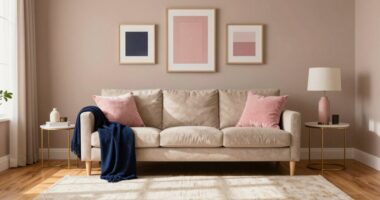
If your room feels dull, flat, or lacks visual interest, it likely needs more contrast, texture, or color. You might notice the space looks monotonous, with furniture and decor blending together and little variation in tones or surfaces. The room may seem static or uninviting at different times of day. To bring life back, you should add contrasting hues, textured accessories, or colorful accents. Keep exploring to discover how these simple changes can transform your space into something vibrant and engaging.

Get furniture and decor delivered free with Prime
- Fast, free delivery on millions of items
- Prime Video, Amazon Music and more included
- Member-only deals all year
Key Takeaways
- The room appears flat or dull with minimal visual interest or depth.
- Furniture and decor lack variety, making the space feel monotonous or uniform.
- Natural and artificial lighting create harsh shadows or washed-out areas, reducing visual appeal.
- The color palette is monochromatic or bland, with little to no contrasting hues or accent colors.
- Texture is absent, making surfaces appear smooth and the space feel uninviting or boring.
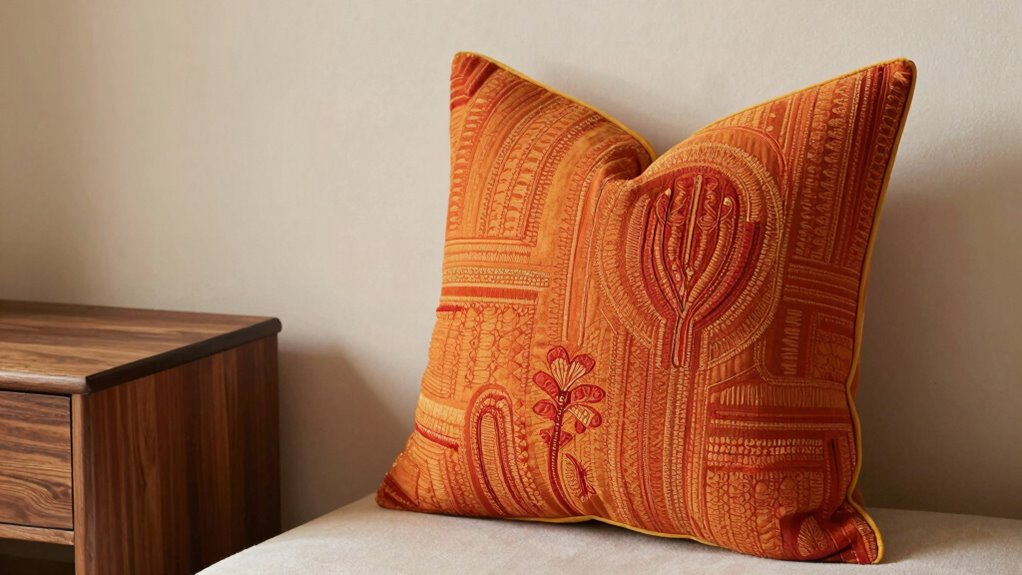
Understanding when a room needs contrast, texture, or color can dramatically enhance its overall appeal. When a space feels flat or uninspiring, it’s often because the lighting balance and furniture arrangement aren’t working together to create visual interest. You might notice that the room looks dull or lacks depth, signaling that it’s time to introduce some contrast or texture to liven things up. To identify these needs, start by observing how light interacts with the space during different times of the day. If the room feels too washed out or too dark, you might need to adjust the lighting balance first, adding layered lighting like sconces, lamps, or even adjusting window treatments to better control natural light. Once the lighting feels balanced, you can assess if the furniture arrangement is contributing to the dullness. For example, if furniture lines are too uniform or aligned in a way that blocks visual pathways, the room may lack contrast and interest. Rearranging furniture to create focal points or to open up sightlines introduces visual variety and prevents the space from feeling monotonous.
Next, look at the textures and colors present. If everything in your room is smooth, flat, and of similar tones, you’re missing opportunities to add contrast. For instance, pairing sleek, modern furniture with textured throw blankets, rugs, or wall art can create a dynamic visual effect. When textures clash or complement each other thoughtfully, they add layers of depth that make the room more inviting. As for color, if the palette feels too monochromatic or bland, introducing contrasting hues or accent colors can transform the space. Bright pillows against neutral sofas, or artwork that pops against subdued walls, instantly uplift the room’s vibe. Keep in mind that contrast doesn’t always mean bold; it can be subtle, like matte versus glossy finishes or warm versus cool tones. Additionally, paying attention to the visual balance in your decor can help ensure that contrasting elements work together harmoniously without overwhelming the space. Recognizing the importance of lighting and furniture arrangement and how they influence the perception of depth can also guide your efforts to improve visual interest. Moreover, understanding the impact of texture and color combinations can help you craft a more engaging environment.
Ultimately, your goal is to create a balanced environment where lighting, furniture, and decor work harmoniously. If the room feels static or uninteresting, consider whether the lighting balance emphasizes certain areas or if the furniture arrangement is guiding the eye naturally around the space. When these elements are thoughtfully aligned, adding contrasting textures and colors becomes effortless, making your room more lively, cozy, and visually engaging. Recognizing the signs of imbalance and making strategic adjustments will help you craft a space that feels both dynamic and cohesive.
Products Worth Considering

Philips Hue Festavia Permanent Outdoor String Lights, 80 Lights, 150 ft

Bose Surround Speakers for Home Theater, Black

Ring Battery Doorbell Pro, 1536p HD+ Head-to-Toe Video
As an affiliate, we earn on qualifying purchases.
Frequently Asked Questions
How Do I Determine the Right Amount of Contrast for My Space?
You determine the right contrast by balancing lighting and pattern mixing carefully. If your space feels flat, add more contrast with darker or bolder elements, but keep lighting balanced so the room doesn’t feel harsh. Mix patterns thoughtfully, pairing subtle with bold, to create visual interest without overwhelming. Step back and assess; if everything blends too much, introduce more contrast gradually until the room feels lively yet harmonious.
Can Too Much Texture Make a Room Feel Overwhelming?
Too much texture can make a room feel overwhelming, like too many cooks spoiling the broth. When layering patterns and mixing materials, balance is key. If textures compete rather than complement, the space feels chaotic. To avoid this, vary textures thoughtfully, keeping some smooth and others rough. This creates visual interest without overwhelming your senses. Remember, less is often more—so don’t be afraid to edit for harmony.
What Color Schemes Work Best for Small Rooms?
For small rooms, go for light, neutral color schemes to make the space feel bigger. Use strategic lighting techniques like mirrors and layered lighting to brighten the room. Also, consider furniture placement that maximizes open space and avoids clutter. Incorporate subtle pops of color through accessories, and keep walls and flooring in soft tones to create a balanced, airy feel. This combo guarantees your small room feels spacious and inviting.
How Do I Balance Contrast With Existing Furniture?
To balance contrast with your existing furniture, you should focus on lighting accents and decorative accessories that highlight and complement your pieces. Use contrasting colors or textures strategically, like bold throw pillows or a statement lamp, to create visual interest without overwhelming the space. Keep a balance by repeating subtle contrasts throughout the room, ensuring your furniture remains the focal point while enhancing the overall harmony.
Are There Universal Rules for Adding Texture Effectively?
Yes, there are universal rules for adding texture effectively. You should focus on material mixing, combining smooth and rough surfaces to create visual interest. Also, consider pattern selection—mix small and large patterns to avoid overwhelming the space. Balance is key; use textures strategically to complement your existing furniture and color scheme, ensuring each element enhances the room’s overall harmony and depth without clashing.
Conclusion
Think of your room as a symphony orchestra. Sometimes, it needs a bold solo (contrast) to stand out, other times, gentle harmonies (texture) to add depth, or a splash of vibrant color to lift the mood. When the music feels flat or too uniform, it’s your cue to introduce these elements. By tuning into what the space is missing, you become the conductor, creating a masterpiece that’s lively, balanced, and uniquely yours.