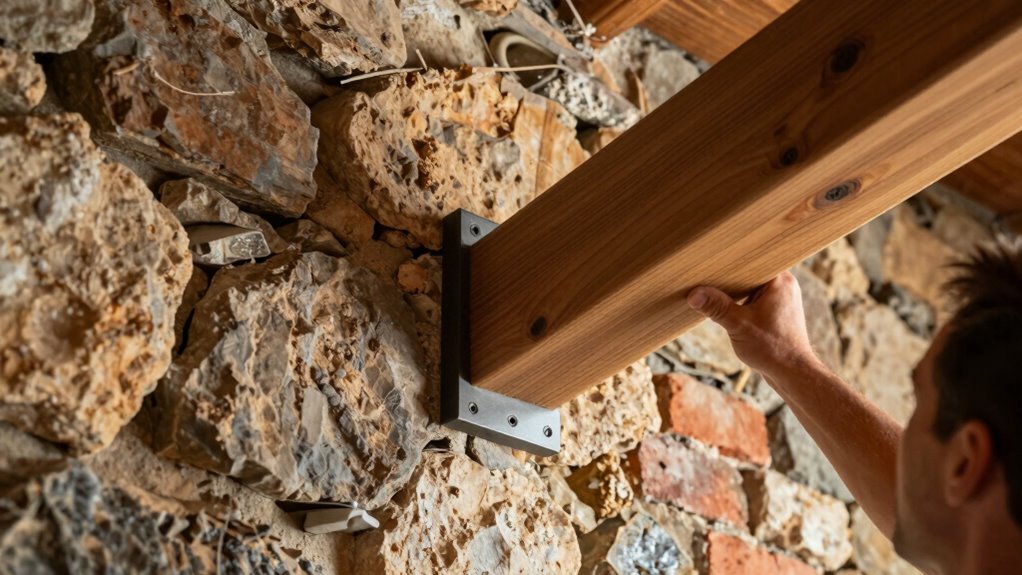

When remodeling around existing stone, brick, or beams, you should first assess their structural integrity to prevent damage. Use proper fasteners and reinforcement techniques to protect old materials while adding new features. Seal porous surfaces to prevent water damage and guarantee good ventilation. Carefully plan electrical or other installations to avoid compromising stability. Balancing modern updates with preservation is key—if you want to learn how to do this smoothly and safely, keep exploring the next steps.

Get furniture and decor delivered free — and shop member deals
- Fast, free delivery on millions of items
- Access to Prime Big Deal Days deals on October 6–7
- Prime Video, Amazon Music and more included
Key Takeaways
- Assess the structural capacity of existing materials and consult a structural engineer for load-bearing modifications.
- Repair and prepare surfaces by sealing, staining, or applying textured finishes before adding new elements.
- Use appropriate anchors and fasteners to avoid damaging historic brick or stone during installation.
- Apply proper moisture management techniques, including sealing and ventilation, to protect porous materials.
- Ensure new construction harmonizes with existing features, maintaining aesthetic and structural integrity.
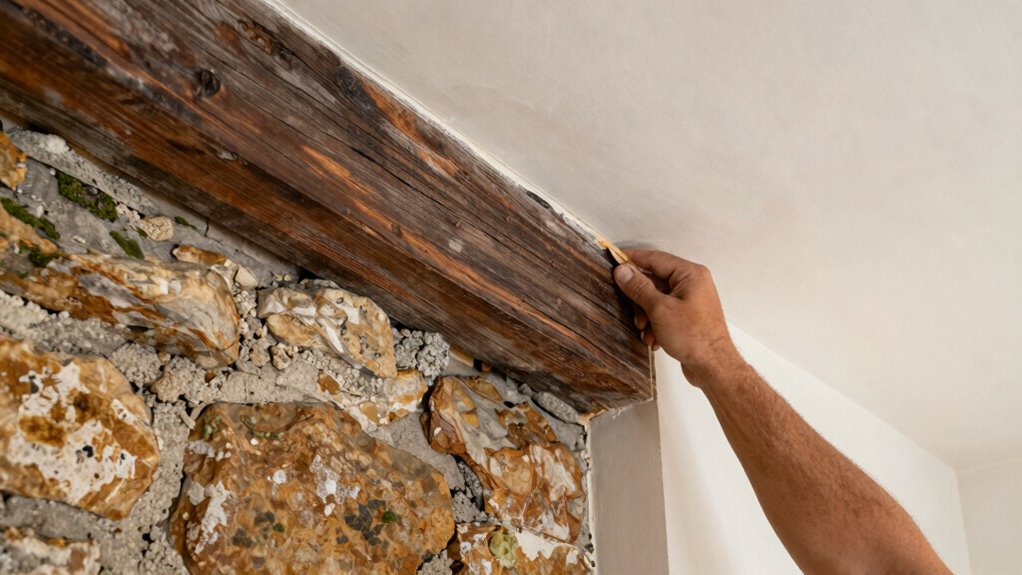
Remodeling around existing stone, brick, or beams can be both a rewarding challenge and a practical way to preserve character while updating your space. These elements add timeless charm, but integrating new features requires careful planning. One of the first steps is understanding the structural considerations involved. Before making any changes, you should assess whether the existing materials can support new loads or modifications. For example, if you’re planning to install heavy cabinetry or new flooring, verify the beams or stone walls can handle the weight. Consulting with a structural engineer is often wise, especially if you’re considering removing or altering load-bearing features. This upfront step prevents costly mistakes and guarantees safety. Once you’ve addressed structural considerations, you can focus on enhancing the visual appeal through decorative finishes. These finishes breathe new life into existing elements, allowing you to match or contrast textures and colors. For stone or brick walls, options like sealing, staining, or applying textured plaster can emphasize their natural beauty or give them a modern twist. Be mindful of the existing surface’s condition—cracked mortar or uneven surfaces might need repair before applying decorative finishes. When working around beams, you might choose to highlight their rustic appeal with wood stain or paint, or you could cover them with drywall for a cleaner look. The key is balancing aesthetic goals with the structural integrity of the original features. It’s also vital to think about how new elements will interact with the existing materials. For instance, if you’re installing cabinets or shelving near brick or stone, you’ll want to use appropriate anchors and fasteners that won’t damage the historic fabric. When installing new fixtures or electrical components, take care to avoid compromising the stability of beams or walls. Sometimes, incorporating new construction techniques such as hidden supports or reinforcement can help preserve these features while allowing for modern updates. Additionally, pay attention to moisture management. Stone and brick are porous and can absorb water, which can lead to deterioration over time. Proper sealing and ventilation are essential to maintaining their integrity. Understanding the structural considerations involved in remodeling around these materials ensures a safe and lasting renovation. It’s also helpful to educate yourself about the properties of historic materials, as this knowledge can guide appropriate restoration and preservation techniques. In addition, considering restoration techniques can help maintain the authenticity of the original features. Moreover, being aware of the moisture management techniques can significantly extend the lifespan of these elements. Considering environmental factors, such as climate and exposure, can also influence how you approach preservation and renovation. Ultimately, remodeling around stone, brick, or beams demands a thoughtful approach that respects the existing architecture while meeting your functional needs. Carefully balancing structural considerations with decorative finishes ensures your space remains both beautiful and durable. With patience and attention to detail, you can successfully blend old and new, creating a space that honors its history while embracing modern comforts.
As an affiliate, we earn on qualifying purchases.
Frequently Asked Questions
How Do I Assess the Load-Bearing Capacity of Existing Beams?
You should start by conducting a load analysis to determine the beams’ current capacity. Consult a structural engineer to evaluate whether the existing beams can support additional weight or need reinforcement. They might perform an inspection, review building plans, or suggest structural reinforcement techniques. Always prioritize professional assessment to guarantee safety before making any modifications, especially when dealing with load-bearing elements.
What Permits Are Needed for Remodeling Around Historic Stone or Brick?
You’ll need permits aligned with historic preservation guidelines and building codes before remodeling around historic stone or brick. Contact your local planning or preservation office to understand specific requirements, which often include documentation and approval processes to protect the structure’s historic integrity. Confirm your project complies with these regulations to avoid penalties and preserve the building’s character while making necessary updates.
How Can I Prevent Damage to the Original Materials During Renovation?
You should prioritize surface protection by covering the original materials with breathable barriers or protective films, preventing scratches, stains, or impact damage. Handle the stone, brick, or beams gently, avoiding heavy tools directly on them. Use soft, non-abrasive cleaning methods, and carefully plan your renovation steps to guarantee material preservation. Regularly inspect your work area to catch potential damage early, safeguarding the historic integrity during your remodel.
What Modern Finishes Complement Antique Stone or Brick?
You can enhance antique stone or brick by adding contemporary accents like sleek metal fixtures or minimalist lighting. Opt for modern color palettes, such as soft neutrals or bold, contrasting hues, to create a fresh look that complements the historic elements. Keep finishes subtle and streamlined, allowing the original materials to stand out while blending seamlessly with contemporary design. This balance highlights the charm of the old while embracing modern style.
How Do I Address Potential Moisture Issues With Existing Masonry?
To address moisture issues with existing masonry, you should install effective moisture barriers to prevent water intrusion. Additionally, implement proper ventilation strategies, like vents or exhaust fans, to reduce humidity and allow moisture to escape. Regular inspections and sealing any cracks help maintain these measures. By combining moisture barriers with good ventilation, you protect your masonry from potential damage caused by excess moisture, ensuring longevity and structural integrity.
Conclusion
As you step back to admire your finished space, you realize there’s one detail you hadn’t considered—what lies hidden behind that rustic beam or beneath that aged brick. The true magic of remodeling isn’t just in the visible transformation but in the secrets it reveals, waiting patiently to be uncovered. With each careful step, you’re not just updating a room—you’re revealing stories of the past, ready to shape the next chapter of your home’s history.
Halloween Picks
halloween
As an affiliate, we earn on qualifying purchases.