TL;DR

Get furniture and decor delivered free with Prime
- Fast, free delivery on millions of items
- Prime Video, Amazon Music and more included
- Member-only deals all year
A Veranda report outlines five curb appeal directions that four design and landscaping professionals expect to gain attention in 2027. They include entryway container gardens, seasonal installations, more linear garden layouts, mature plants and distinctive outdoor lighting; the predictions are expert forecasts, not measured industry data.
A Veranda report has identified five curb appeal trends that four design and landscaping professionals expect to gain traction in 2027, from entryway container gardens to mature trees and more deliberate exterior lighting. The list offers homeowners a set of design forecasts, rather than a survey or quantified measure of what the housing market will adopt.
The report, written by Ethan Herrington, draws on comments from Nadia Palacios of Nadia Palacios Architecture, Brit Trible of Gilded Lily Designs, Natalie Konstant of Natalie Konstant Interiors, and Michael Winn of WINN Design + Build. Their predictions focus on the visual character and planning of front entrances, gardens and yards.
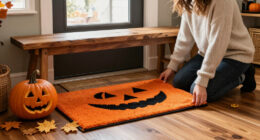
Trible expects container gardens and seasonal front-yard installations to become more prominent. She recommends choosing planters that suit a home’s architecture and combining plants with different heights and textures, while accounting for light and growing conditions. Seasonal ideas in the report include pumpkin displays, outdoor-lit Christmas trees and jasmine draped across a fence.
Konstant predicts a move toward linear landscaping, including crisp edges, defined planting beds and more structured layouts. Winn expects homeowners to favor trees and other plants that are larger when installed, rather than waiting years for small specimens to mature. Palacios points to thoughtful outdoor lighting, including vintage-style street lamps used to complement a historic home.
Design Choices Shape the First Impression
Curb appeal can affect how a home is perceived before visitors enter, and the five forecasts point toward more intentional choices about the front yard. Instead of treating the lawn as a standalone feature, the designers describe coordinating plants, paths, seasonal decor and lighting with the house’s architecture.
Some of the ideas may also involve trade-offs. Larger trees can create a more established look sooner, but their cost, suitability for the site and installation needs vary. Seasonal displays and containers can be changed over time, while structured beds or new lighting may call for more planning. The report presents these as design considerations, not guaranteed ways to increase a property’s value.
As an affiliate, we earn on qualifying purchases.
Five Ideas Behind the Forecast
The article’s central theme is a shift from a simply tidy front yard toward a composed entrance with more depth and character. Palacios describes curb appeal as more than lawn maintenance, saying it should reflect the home’s character. That framing links the five predictions: each gives homeowners a way to make the approach to the house feel deliberate.
The landscaping forecast also contrasts with recent preferences described by Konstant. She says gardens in recent years have tended toward soft, organic layouts, with sweeping curves and naturalistic planting, while structured designs were more often associated with contemporary homes. Her expectation is that crisp lines will now feel fresh across a wider range of settings.
“Nobody wants to wait nine years for a tree.”
— Michael Winn, founder of WINN Design + Build
How Broad the 2027 Shift Will Be
The report does not provide sales figures, homeowner polling, market data or a methodology for measuring how common these trends are. Its forecasts are based on four professionals’ views, so it is not clear how widely homeowners, builders or landscape companies will adopt them in 2027.
Practical results will depend on details the article does not assess, including local climate, site conditions, maintenance needs and budgets. It also does not establish whether any of the suggestions raise home values. The trends should be read as expert expectations, not confirmed industry-wide changes.
Watch for Adoption During 2027
The report does not announce a product launch, policy change or scheduled industry milestone. The next indication of whether its predictions are gaining ground will come from projects and design choices made during 2027, along with any later reporting or data that tracks homeowner and industry preferences.
For homeowners considering the ideas now, the experts’ recommendations suggest starting with changes suited to the property: select planters that complement the architecture, plan plantings for local growing conditions, and consider lighting or larger trees with appropriate site and installation advice. The article does not offer cost estimates or a one-size-fits-all plan.
Key Questions
What are the five curb appeal trends forecast for 2027?
The report lists entryway container gardens, seasonal installations, linear landscaping, larger plants and trees at installation, and eye-catching outdoor lighting.
Who made the predictions?
The forecasts come from four professionals quoted by Veranda: Nadia Palacios, Brit Trible, Natalie Konstant and Michael Winn. The article also quotes landscape designer Tyler Banken on mature plants and trees.
Are these trends confirmed to be widespread?
No. They are professional predictions in a design report, not findings from market research or a survey establishing how widely the trends will be adopted.
What does the report say about mature trees?
Winn recommends considering a larger tree at planting, citing 14- to 16-foot trees as a starting point. He says a single tree placed to frame an entrance may create a stronger impression than several trees placed less deliberately. Suitability depends on the property and planting conditions.
Source: rss
Fall Picks
fall essentials
As an affiliate, we earn on qualifying purchases.