TL;DR

Get furniture and decor delivered free with Prime
- Fast, free delivery on millions of items
- Prime Video, Amazon Music and more included
- Member-only deals all year
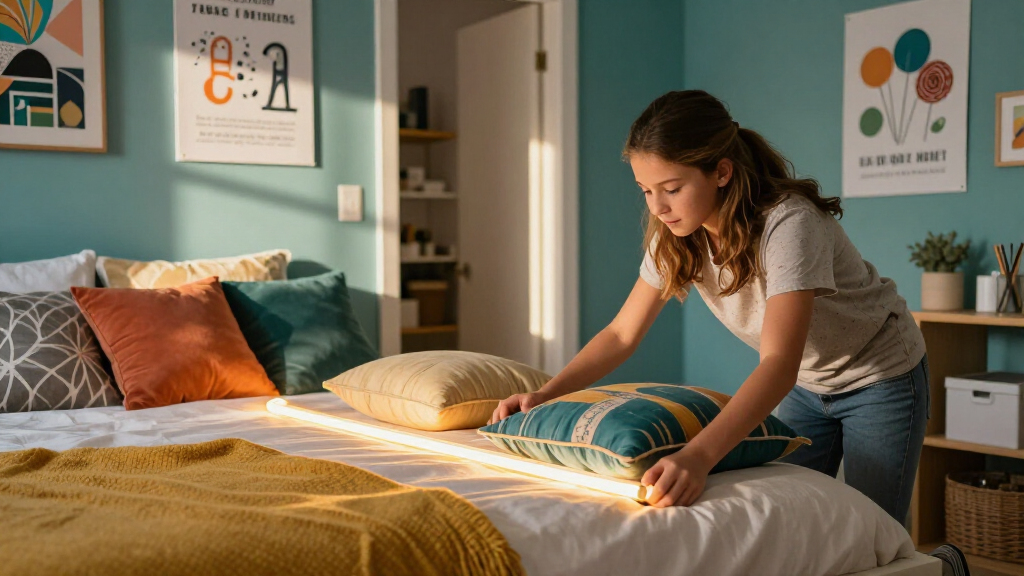
House Beautiful published a report in which an 11-year-old evaluated room furnishings and explained what appealed to them, from soft shapes and useful storage to flexible lighting. The responses offer one child’s perspective, not a survey of Gen Alpha or evidence of a universal design preference.
House Beautiful has published a report in which an 11-year-old reacts to bedroom furnishings and explains what they would choose for a room. Their comments focus on comfort, practical storage, adaptable lighting and decoration that does not overwhelm a space, offering a child’s individual perspective rather than a representative account of Gen Alpha’s tastes.
The child assessed a range of items, including rugs, a nightstand, lighting, seating, storage and shelving. They favored a rounded, plush-looking shape that seemed comfortable without looking cartoonish, and said a smaller rug could add a distinctive touch without making the entire room feel like one pattern. For a larger floor covering, they preferred a less bold design, saying friends would like it.
Practical use shaped several of the responses. The child liked a nightstand with ample surface area for belongings, preferred its white finish because it looked “cleaner and neater,” and praised a pink jewelry-storage piece for combining room for accessories with decorative details. They also liked a shoe organizer that could hold other items, such as towels or school supplies, and described a pen holder that could serve as both storage and decoration.
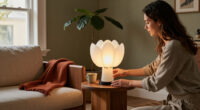
Other choices reflected preferences for adaptability and restraint. The child initially found one lighting idea confusing but liked it when mounted on a wall, comparing its changeable colors with LED strips. They described a cream-colored option as comfortable and easy to style, and said a bookshelf felt smaller and more like a shelf than a display tower. These are the child’s stated reactions to the products shown; the source does not report testing, sales data or feedback from other children.
One Child’s Design Priorities
The report is a small, concrete example of how a young person may weigh a bedroom’s appearance against its day-to-day usefulness. The child repeatedly connected positive reactions to storage, surface space and flexible use, while also caring about shape, color and whether an item would dominate a room. That combination can help readers think about involving children in decisions about their own spaces rather than assuming their preferences from age alone.
For parents, designers and retailers, the comments suggest questions worth asking about a product: Can it serve more than one purpose? Does it fit without taking over? Can its look work with different room styles? The interview does not establish that these qualities are shared by all children or all Gen Alpha consumers. Its value is as an attributed individual account, not a market study or design rulebook.
As an affiliate, we earn on qualifying purchases.
How the Room Review Worked
House Beautiful’s report presents a sequence of product reactions rather than a formal research project. The child comments on specific furnishings and gives reasons for liking or disliking them, including preferences for a smaller distinctive rug, a spacious nightstand and storage that could hold items beyond its primary intended use.
The source material does not identify a broader sample, describe a survey method or provide demographic findings beyond the participant’s age. The article’s title frames the exercise around designing a room a member of Gen Alpha would not hate, but the reported remarks document one child’s responses to the items presented. That distinction matters when drawing conclusions from the piece.
““The shape should be round and plump. It doesn’t look too much like a marshmallow. I want it to look comfy, but not like a cartoon.””
— The 11-year-old, quoted by House Beautiful, on a rounded furnishing
What One Interview Cannot Show
The report does not show whether other children share these preferences, how the products were selected or whether the child’s views changed after using the items. It also provides no pricing, purchasing information or evidence that any of the furnishings were installed in a completed room. The source offers no data on how widely the responses might apply across Gen Alpha, a large age group with varied tastes and living situations.
Accordingly, claims about what the whole generation wants would go beyond the evidence presented. The supported conclusion is narrower: this 11-year-old favored a mix of comfort, adaptable style and useful storage when responding to the products shown.
No Broader Findings Reported
The source material reports the child’s reactions but does not announce a follow-up study, additional interviews or a next publication date. Readers looking for wider evidence would need research involving more children and a clearly described method. Until then, the comments are best treated as a starting point for asking young people directly what they want in their rooms, not as a forecast of a generation-wide trend.
Key Questions
What did the 11-year-old say makes a room appealing?
The child responded positively to comfortable-looking shapes, useful storage, flexible lighting and colors or patterns that could fit into a room without overpowering it.
Did the child prefer function or decoration?
The responses suggest both mattered. The child liked items that looked appealing while also providing storage or practical surface space, such as a jewelry organizer and a versatile storage unit.
Does the report prove these are Gen Alpha’s preferences?
No. It records the views of one 11-year-old. The source does not describe a representative survey or provide evidence that the preferences apply to Gen Alpha as a whole.
What remains unknown about the furnishings?
The source material does not give product prices, report whether the child used the items, or say whether any were purchased or placed in a room. It also does not identify a larger group of children who evaluated them.
Source: rss
Halloween Picks
halloween
As an affiliate, we earn on qualifying purchases.