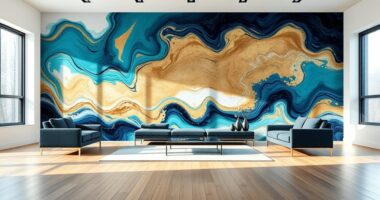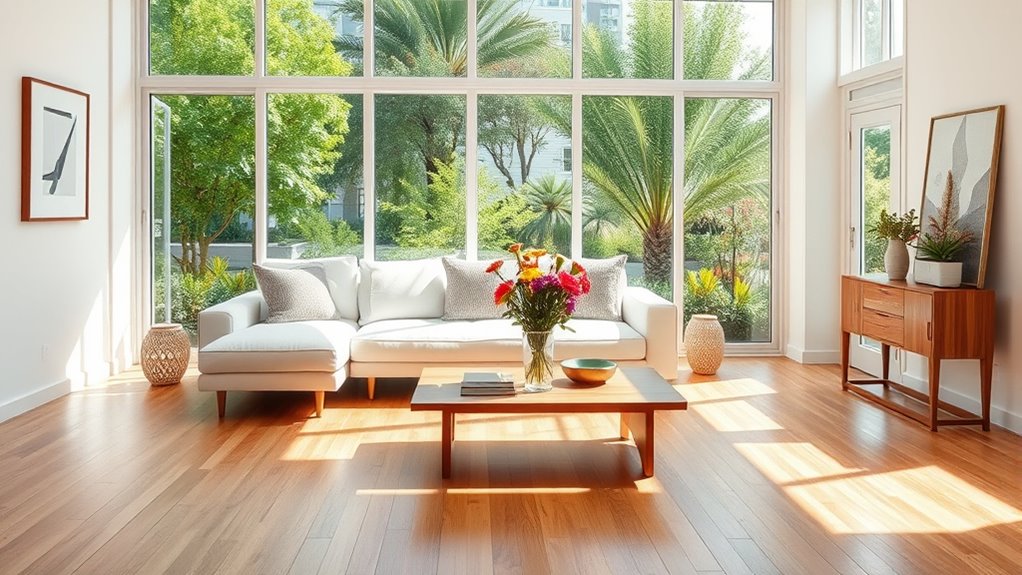

To craft a compelling home design brief, start by envisioning the mood and aesthetic that truly speak to you—whether it’s a serene retreat or sleek modern vibe. Clarify how the space should support your daily routines, identifying key functions and desired layouts. Specify your preferred materials, colors, and finishes to create harmony, while infusing character with statement features. Your brief becomes a personal guide, ensuring every detail reflects your story and style—continue to explore how all these elements come together seamlessly.
Key Takeaways
- Define your overall style, mood, and emotional tone to set a clear aesthetic direction.
- Identify key daily activities and prioritize functional spaces like kitchen, bedroom, and living areas.
- Select color schemes, textures, and materials that reflect your desired ambiance and support your lifestyle.
- Incorporate specific design elements such as lighting, storage, and statement features to enhance usability.
- Use the brief as a guiding document to ensure all design choices align with your personal vision and goals.
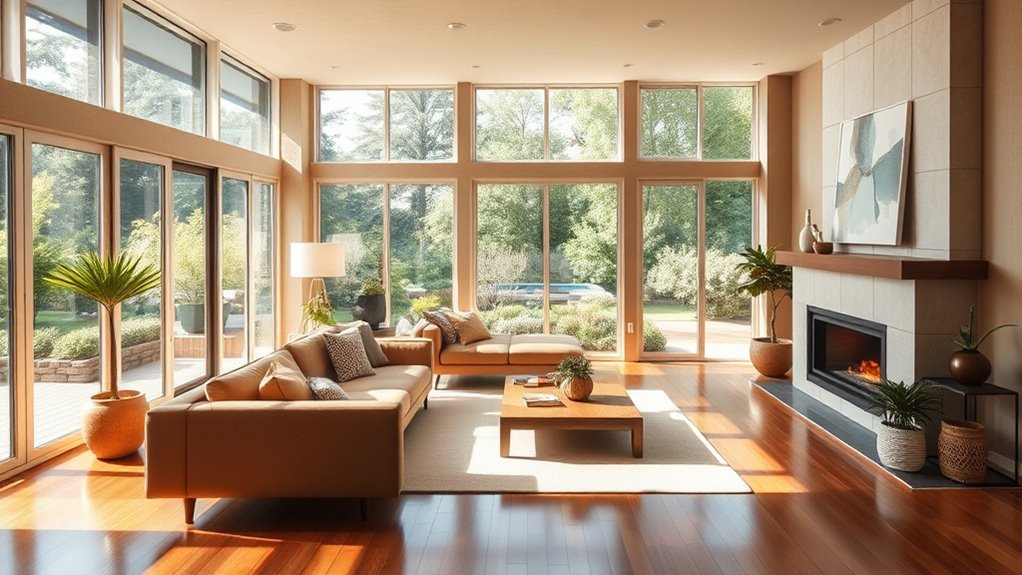
Have you ever wondered how to turn your dream home into a stunning reality? It all begins with crafting a meticulously detailed design brief—your personal blueprint that guides every decision, every material choice, and every aesthetic detail. Think of this as your creative map; it captures your vision, your lifestyle, and the atmosphere you want to evoke. Your design brief isn’t just a list of rooms or functions; it’s a narrative that breathes life into your ideas, transforming vague imaginings into a cohesive plan.
Start by visualizing the mood you want your space to embody. Do you see a serene retreat with soft, natural tones and textured fabrics? Or perhaps a sleek, modern sanctuary with clean lines and bold accents? Pinpointing this aesthetic helps you align your choices from paint palettes to furniture styles. Consider how natural light plays into your vision. Do you want large, expansive windows to flood the space with daylight or cozy, dimmer lighting for intimacy? Detailing your lighting preferences ensures your home feels inviting at all hours.
Think about your daily routines and how your home should support them. If you love cooking, prioritize a spacious, well-equipped kitchen with an open-plan design that encourages socializing. For restful nights, specify your ideal bedroom ambiance—perhaps a calming palette, blackout curtains, or a dedicated reading nook. Your design brief should also reflect your storage needs, whether that’s custom-built closets, clever shelving solutions, or hidden compartments, so clutter never compromises your aesthetic.
Material choices are equally essential. Are you drawn to warm woods, cool metals, or lush textiles? Do you prefer eco-friendly, sustainable options, or are you more focused on durability? Be precise—detail the textures, finishes, and colors that resonate with your personality. Mention specific elements like a statement fireplace, a feature wall, or vintage accents that add character. Every detail, no matter how small, contributes to the overall harmony of your space.
Lastly, think about the emotional tone you want to set. Your home should feel like a sanctuary, a place that tells your story. Whether it’s a playful, vibrant environment or a minimalist retreat, your design brief acts as your guiding star. When you communicate your vision clearly and thoughtfully, you give your project the clarity it needs to transform your dreams into a stunning reality, with every inch reflecting your unique style and spirit.
Top picks for "write design brief"
Open Amazon search results for this keyword.
As an affiliate, we earn on qualifying purchases.
Frequently Asked Questions
How Do I Prioritize My Design Needs Effectively?
Start by visualizing your dream space, then list must-haves versus nice-to-haves. Consider your daily routines—prioritize comfort, functionality, and aesthetics accordingly. Budget wisely, focusing on impactful upgrades first. Use mood boards to see how elements blend, and remain flexible to adapt as your style evolves. By clarifying your core needs and dreams, you craft a harmonious home that reflects your essence while staying practical.
What Budget Range Should I Consider for My Project?
You should consider a budget range that aligns with your home’s size, style, and desired finishes. For a modest renovation, plan around $20,000 to $50,000, but for a luxurious upgrade, budget $100,000 or more. Be realistic about your financial comfort and prioritize high-impact areas. Allocate funds thoughtfully, balancing quality and aesthetics, so your space feels both beautiful and functional without overspending.
How Can I Incorporate Eco-Friendly Materials Into My Home?
Imagine you’re channeling your inner Leonardo, blending art with nature. To incorporate eco-friendly materials, choose reclaimed wood, bamboo, and recycled metal for furniture and accents. Opt for low-VOC paints and natural fibers like hemp or organic cotton for textiles. Incorporate solar panels and rainwater harvesting to reduce your footprint. These sustainable choices will craft a harmonious, timeless space that’s both stylish and kind to the Earth, echoing your eco-conscious vision.
What Are Common Mistakes to Avoid in a Design Brief?
You should avoid vagueness that leaves your vision unclear, as it hampers effective communication. Don’t overlook budget constraints or realistic timelines, which can derail your project. Steer clear of neglecting your unique style and needs—your home should reflect you. Also, avoid skipping detailed descriptions of materials and finishes, and be cautious about ignoring future flexibility. Being thorough, precise, and true to your aesthetic guarantees your design brief guides a stunning, functional space.
How Do I Communicate My Vision Clearly to Designers?
To communicate your vision clearly, paint a vivid picture with words—share the mood, style, colors, and textures you love. Use inspiration images, sketches, or mood boards to give designers a tangible sense of your aesthetic. Be specific about your must-haves and deal-breakers, and stay open to ideas. Your passion and clarity will guide designers to craft a space that truly reflects your unique personality and dreams.
Conclusion
Imagine your home as a masterpiece, a sanctuary where every detail reflects your soul’s deepest desires. With your vision guiding each brushstroke, this space will become more than just walls and furniture—it’ll be a breathtaking sanctuary that ignites your passions and calms your mind. When you step inside, you’ll feel an overwhelming sense of belonging, more powerful than the greatest symphony or the brightest star. Your dream home isn’t just possible; it’s destined to be legendary.