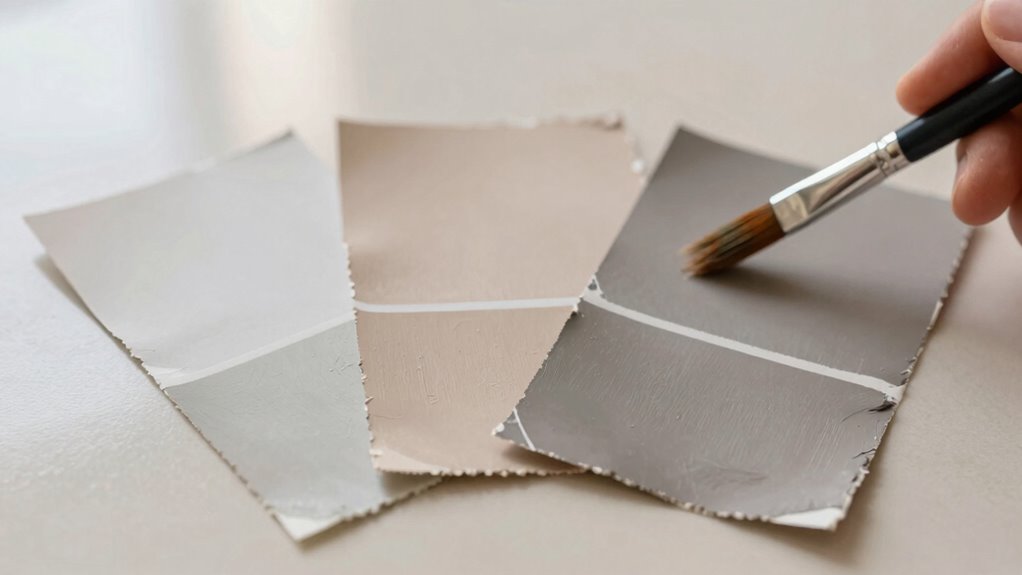
To compare paint samples without second-guessing, paint large swatches on walls in areas with similar lighting conditions to your final space. Observe how the colors shift throughout the day in natural and artificial light, and gather opinions from trusted people, but prioritize what feels right to you. Spend several days watching how each looks over time and how they interact with your space. Keep exploring tips that help you make confident choices — you’ll find them all here.
Open a free Amazon Business account
Business pricing, bulk buying and tax-exempt orders.
As an affiliate, we earn on qualifying purchases.
Key Takeaways
- Paint large swatches in the actual room under natural and artificial lighting to see true color effects.
- Observe samples over several days to assess how they change in different lighting and times.
- Compare samples side-by-side in similar lighting conditions to accurately judge differences.
- Gather opinions from trusted individuals, but prioritize your personal emotional response.
- Consider how each color interacts with your space’s mood, decor, and overall ambiance for confident choices.
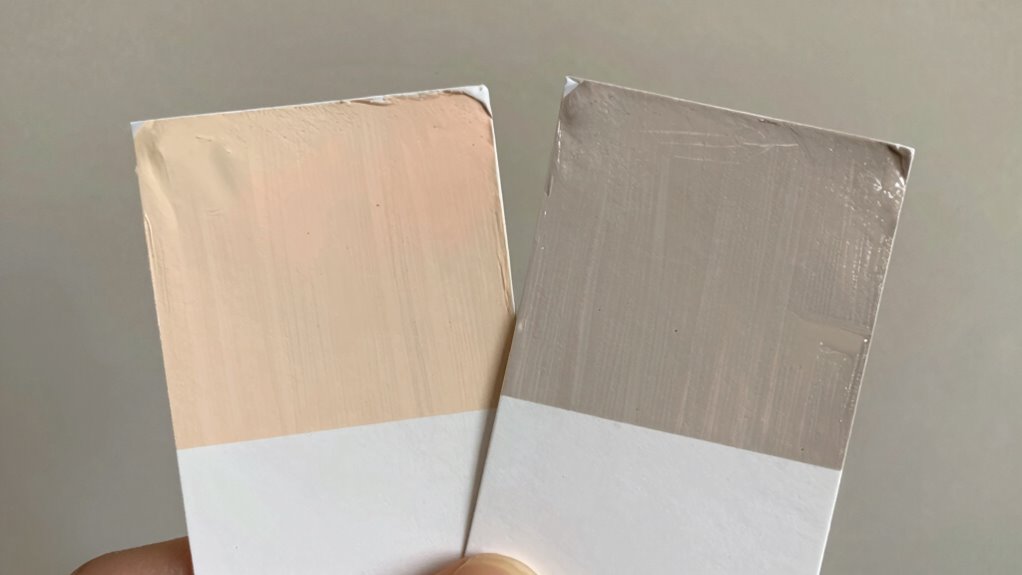
Have you ever struggled to choose the perfect paint color for your space? It’s a common challenge, especially with so many options available. When comparing paint samples, understanding how color psychology influences your decision can make a big difference. Color psychology helps you interpret how different shades will impact your mood and the atmosphere of your room. For instance, soft blues promote calmness, while warm yellows evoke happiness. As you look at samples, consider how each color aligns with the feelings you want your space to inspire. Don’t just pick a hue based on looks alone—think about the emotional response it’ll generate over time.
Choosing the right paint color involves understanding how shades affect your mood and room atmosphere over time.
Next, pay close attention to paint finishing. The finish affects not only the appearance but also the durability and how light interacts with the color. A matte finish can soften and mute the color, giving a cozy, understated feel, while a semi-gloss or high-gloss finish reflects more light, making colors appear brighter and more vibrant. When comparing samples, observe how the different finishes alter the shade’s tone and texture. Sometimes, a color that looks perfect in a matte finish might seem too dull or flat in a gloss, or vice versa. It’s crucial to match your preferred finish to your lifestyle and the room’s purpose, whether it’s a high-traffic hallway or a relaxing bedroom.
To compare paint samples effectively, paint large swatches on your wall—preferably in areas with similar lighting conditions to where they’ll be used. Natural light is ideal because it shows the true color, but if your space relies mostly on artificial light, view your samples under those conditions. Move around the room at different times of the day to see how the colors change with the light. This step is essential because colors can look very different in daylight versus evening light, and your perception can shift accordingly. Additionally, considering how lighting conditions influence color perception can help you make a more confident choice. Being aware of how different lighting affects color perception is a key aspect of color evaluation.
Finally, don’t rush your decision. Take your time to observe how each sample looks over several days. Gather opinions from others whose taste you trust, but remember that your personal comfort with the color matters most. When comparing samples, keep in mind that the right choice isn’t just about aesthetic appeal but also how the color interacts with your space, mood, and the overall ambiance you want to create. Developing an understanding of color harmony can help you select shades that complement each other and enhance your room’s design. By thoughtfully considering color psychology and paint finishing, you can confidently select a shade that truly fits your vision. Moreover, paying attention to sample placement ensures that your evaluation accurately reflects how the color will appear in your final setting.
As an affiliate, we earn on qualifying purchases.
Frequently Asked Questions
How Long Should I Wait Before Viewing Paint Samples in Different Lighting?
You should wait at least 24 hours before viewing paint samples in different lighting. This allows the paint to dry completely, considering its drying time, and guarantees the color temperature stabilizes. Keep in mind that some paints take longer to cure fully, so checking in various lighting conditions after a day helps you see how the color truly looks in different environments, reducing second-guessing.
Can I Compare Paint Samples on Different Wall Textures?
Comparing paint samples on different wall textures is like testing shoes on varied terrains—you’ll see how they perform in real conditions. Wall texture variations impact how paint appears, so you should apply samples directly on each surface for an accurate comparison. This guarantees your paint sample application reflects true color and finish, helping you choose confidently instead of guessing based on smooth, uniform swatches.
What Tools Help in Accurately Comparing Paint Color Differences?
You can use a color matching tool, like a digital colorimeter or color matching app, to accurately compare paint color differences. These tools measure shade consistency and guarantee your samples match perfectly. A color wheel can also help you understand subtle differences. Always compare samples in natural light for the most accurate assessment. These tools help you make confident decisions, avoiding second-guessing and achieving consistent, beautiful results.
How Do I Choose the Best Paint Sheen for My Space?
Imagine repainting your living room and choosing a matte finish to reduce glare. For your space, a satin or eggshell sheen offers a good balance, hiding imperfections while reflecting just enough light. When doing a sheen comparison, consider the room’s function—high-traffic areas benefit from more durable finishes, while bedrooms may prefer softer sheens. Ultimately, pick a paint finish that matches your lifestyle and aesthetic preferences for best results.
Should I Test Paint Samples in Both Natural and Artificial Light?
Yes, you should test paint samples in both natural and artificial light. This helps you see how the color temperature shifts under different lighting conditions, ensuring it matches your expectations. Natural light reveals true hues, while artificial light shows how the paint’s color appears indoors. Additionally, consider paint durability in these settings, as different lighting can affect how long the color stays vibrant and consistent over time.
Conclusion
By comparing paint samples thoughtfully, by observing closely, and by trusting your instincts, you can confidently select the perfect shade. Embrace the process patiently, consider the lighting and surroundings, and evaluate the samples from different angles. Remember, the goal is harmony and satisfaction. When you approach your choice with clarity, consistency, and confidence, you’ll create a space that reflects your style and makes you happy—without second-guessing or regret.
Fall Picks
fall essentials
As an affiliate, we earn on qualifying purchases.