TL;DR
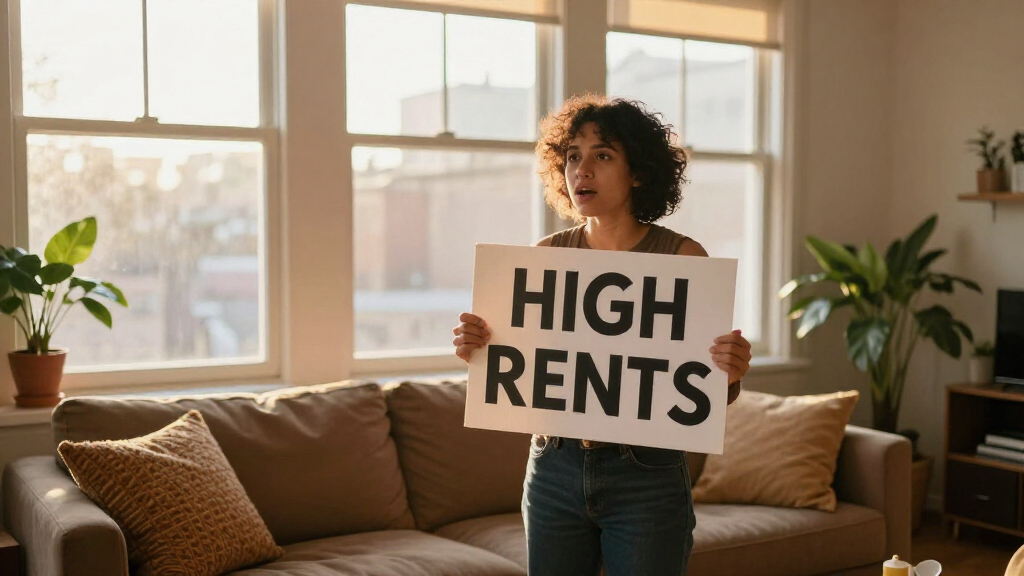
Just days before Berlin’s local election, residents staged protests against high rent prices, emphasizing housing affordability issues. The demonstration drew significant attention amid rising public concern.
In Berlin, residents staged a large protest against rising rent prices on the eve of the upcoming local election, aiming to draw attention to housing affordability concerns. The demonstration involved hundreds of participants and occurred in a central district, signaling growing public frustration with housing costs.
The protest was organized by tenant advocacy groups and local residents who are concerned about the rapid increase in rent prices over recent years. Participants carried banners demanding rent controls and more affordable housing options. Police estimated the crowd at approximately 300 to 400 people, many of whom voiced their dissatisfaction with current housing policies.
Officials from the Berlin city government have acknowledged the rising concern over housing costs but have not yet announced specific policy measures. The protest took place just days before the Berlin state elections, where housing affordability is expected to be a key issue among voters.
Local authorities confirmed that the protest was peaceful, with no reports of violence or property damage. Police monitored the event closely, ensuring public safety while allowing demonstrators to express their views freely.
Implications of the Rents Protest on Berlin’s Election Campaign
This protest underscores the growing importance of housing affordability as a key electoral issue in Berlin. With rising rents affecting a broad segment of the population, candidates are likely to face increased pressure to propose concrete solutions. The demonstration also signals a mobilized voter base that may influence election outcomes, especially if housing policies become a decisive factor.
The protest could prompt policymakers to prioritize rent controls or increased public housing investments. However, it remains unclear whether the government will implement any immediate changes or if the protest will lead to broader political debates about housing policy in the coming weeks.
As an affiliate, we earn on qualifying purchases.
Background of Housing Affordability Concerns in Berlin
Over the past few years, Berlin has experienced a significant rise in rent prices, driven by increased demand for housing amid population growth and limited supply. According to recent reports, rent levels have increased by approximately 20% over the last five years, making affordability a pressing issue for many residents. The city has seen a surge in new developments, but critics argue that these have not kept pace with demand or have been aimed at wealthier tenants, leaving lower-income residents struggling.
Previous protests and policy debates have centered around rent caps and the expansion of social housing. The upcoming election has heightened discussions, with candidates offering varied proposals ranging from rent freezes to incentives for affordable housing projects. Despite these debates, concrete legislative changes have yet to be enacted, fueling ongoing frustration among tenants.
Unclear Impact of the Protest on Election Outcomes
It is not yet clear whether the protest will influence voter behavior significantly or lead to immediate policy shifts. While the demonstration signals public concern, the extent to which it will affect election results or prompt concrete legislative action remains uncertain. Analysts suggest that housing will remain a key issue, but its actual impact on voting patterns is still to be determined.
Next Steps in Berlin’s Housing Policy Debate
In the coming weeks, attention will focus on how candidates address housing affordability in their campaign platforms. The election results may influence the city’s approach to rent regulation and social housing investments. Additionally, further protests or public pressure could emerge if residents feel their concerns are not being addressed.
Policymakers are expected to consider proposals for new housing initiatives, but whether these will materialize before or after the election remains uncertain. Observers will also watch for any official responses to the protest from city officials or candidate statements.
Key Questions
How many people participated in the protest?
Police estimated that approximately 300 to 400 residents took part in the demonstration.
What are the main demands of the protesters?
The protesters are calling for rent controls, more affordable housing, and measures to curb the rapid increase in rent prices.
Will this protest influence the upcoming Berlin election?
It is uncertain, but the protest highlights housing affordability as a key issue that could impact voter decisions and candidate platforms.
Have policymakers responded to the protest?
Officials have acknowledged the concerns but have not announced specific policy changes in response to the demonstration.
Are there any upcoming policy proposals related to housing?
Details are still emerging, but candidates are expected to present proposals addressing rent regulation and social housing in the election campaign.
Source: local