TL;DR
Apartment Therapy has highlighted five real homes that use brown in different ways, from color-drenched walls to rugs, furniture, wood panels and small textile accents. The examples show how the shade can work in both light and dark palettes, though the article is inspiration rather than evidence that brown suits every home or season.
Apartment Therapy has published five home examples showing how brown can be used in interiors through paint, rugs, furniture, wood and textiles. The roundup arrives as the publication describes chocolate brown as a continuing design trend and offers different ways to try the color without relying on a full-room makeover.

Get furniture and decor delivered free with Prime
- Fast, free delivery on millions of items
- Prime Video, Amazon Music and more included
- Member-only deals all year
One example comes from interior designer Dylan Bradley’s Sacramento rental, which is just under 400 square feet. After moving into a home with eggplant, periwinkle, yellow and red walls, Bradley painted the living room and kitchen area in Tonester’s Black Orange, a deep tan-brown. Using the same color on the walls and ceiling creates a continuous look, while the article says the earthy shade works with the leafy green views outside.
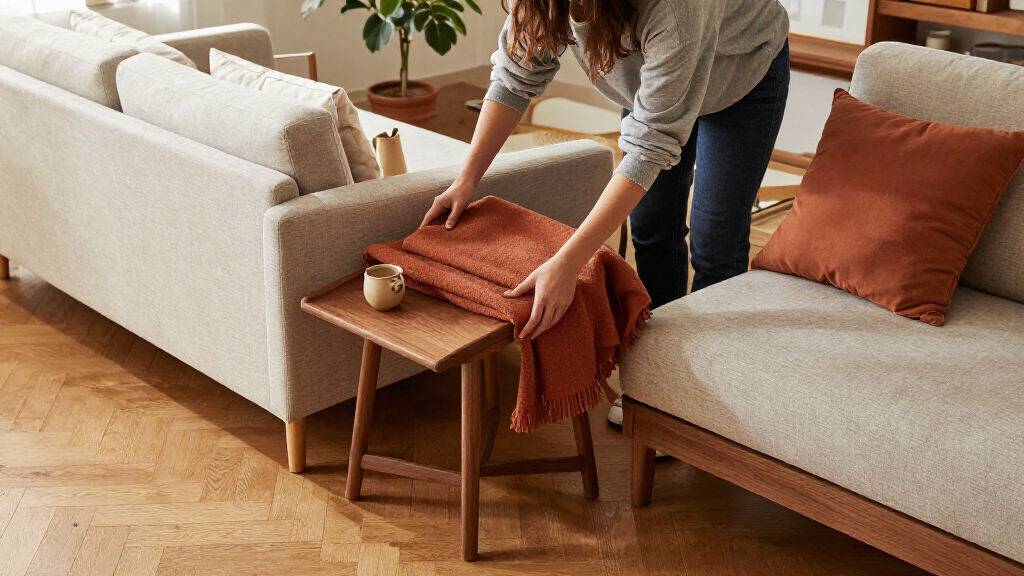
Other homes use brown in smaller or more portable ways. Writer Sarah Ingle’s Brooklyn bedroom pairs pale blue walls, painted in Sherwin-Williams’ Billowy Breeze, with a brown rug over dark hardwood floors. In Jersey City, Chloe Livingston’s organic modern apartment features a camel-colored velvet sofa. Apartment Therapy presents lighter browns such as camel and tan as an option for people who want the color without the heavier effect of deep chocolate shades.
The remaining examples focus on materials and accents. DIYer Savanna Fernandez added stained plywood panels to her living room wall; she wrote that they made the space feel “rich and architectural.” The article reports that the wood, stain and nails cost about $80 and says the panels can be removed when she moves. In a Brooklyn apartment belonging to Luke and Jordan Smith, brown textiles add contrast to a sleeping area with Benjamin Moore’s Simply White walls. The article connects those accents to Jordan and her mother’s annual trips through the American Southwest.
Can Brown Work at Home All Year? Five Real Homes, Five Ideas
Apartment Therapy shows five ways brown can fit into different interiors, from deep painted walls to small textile accents. The examples offer inspiration, not proof that brown suits every home or season.
Five ways to bring brown home
Choose how much of the room the color changes.
Color-drenched walls
A deep tan-brown covers the living room and kitchen walls and ceiling in Dylan Bradley’s Sacramento rental.
Ground a light room
Sarah Ingle pairs a brown rug with pale blue walls and dark hardwood floors.
Try camel upholstery
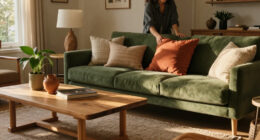
Chloe Livingston’s camel-colored velvet sofa brings brown into her Jersey City apartment.
Add a wall feature
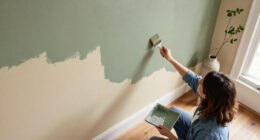
Savanna Fernandez used stained plywood panels for a rich, architectural effect; the article says they can be removed when she moves.
Use small accents
Brown textiles add contrast to Luke and Jordan Smith’s sleeping area with white walls.
Match the commitment to your space
The examples range from small additions to a room-wide change.
Try textiles or a rug to add brown without changing the walls.
Camel upholstery makes brown a prominent furnishing choice.
Paint or wood panels create a stronger visual feature; renters should check their lease before altering walls.
Brown can work in light and dark palettes
The shade and how much you use shape the room’s effect.
- Deep tan-brown paint across walls and ceiling
- An enveloping look in a compact living area
- Camel upholstery in a lighter palette
- Textile accents alongside white walls
A trend with practical limits
Apartment Therapy describes chocolate brown as a continuing trend, but the examples cannot predict how a color will look in every home.
Five Ways Brown Fits at Home
The examples make the trend accessible at different levels of commitment. Paint changes a room’s overall mood, while a rug or textiles can introduce brown without changing the walls. A sofa brings the color through a major furnishing, and wood panels provide a distinct architectural feature. For renters or anyone cautious about a lasting change, those differences matter: the roundup includes both removable elements and substantial choices.
The homes also challenge the idea that brown must make a room feel dark. Bradley’s deep color is used across a compact living area for an enveloping effect, while camel upholstery and small textile touches bring brown into lighter rooms. These are design examples, not proof that the color will suit every room; lighting, existing materials and personal taste will shape the result.
Products Worth Considering

Shark Rocket Pet Plus Corded Stick Vacuum, Bordeaux/Silver, HV322

Philips Hue Play Floor Lamp, RGBWWIC LED, 53 Inch, Black

Levoit Core 300S-P Smart WiFi Air Purifier for Home and Pets
As an affiliate, we earn on qualifying purchases.
Brown’s Return to Interiors
The article’s author recalls brown as a popular complementary color in the early 2000s, followed by a period when whites, soft neutrals and grays became more prominent. Apartment Therapy says chocolate brown paint began gaining popularity again in 2024, and characterizes that interest as continuing into 2026 amid demand for moodier, cozier interiors.
The roundup also mentions that a brown shade was named Benjamin Moore’s 2026 Color of the Year, but does not identify the shade in the provided article text. Rather than treating brown as a paint-only choice, the five homes illustrate how furnishings and natural materials can introduce it too.
What the Examples Cannot Establish
The article is a design inspiration roundup, not a survey or market study. It provides no data on how widely brown is being used, how its popularity compares with other colors, or whether interest will continue beyond 2026. Its statement that the trend has persisted since 2024 is presented as the publication’s assessment, without a measured baseline.
Some practical details are limited. The article does not give a full breakdown of the rooms’ lighting or the maintenance and durability of each material. It mentions a roughly $150 Walmart rug option and a 20% discount on Livingston’s sofa at the time of publication, but those prices and offers may change. The exact Benjamin Moore color identified as its 2026 Color of the Year is also not specified in the provided text.
Ideas Readers Can Try
Readers can use the five homes as starting points and choose an approach that fits their space: test a brown textile, add a rug, consider camel upholstery, or sample paint before committing to color-drenching a room. Renters considering wall treatments should check their lease and use methods that will not cause damage; the article describes Fernandez’s plywood panels as removable, but does not provide a general installation guide.
Apartment Therapy says it has collected thousands of examples of brown in real homes in a separate inspiration collection. There is no announced follow-up or new project tied to the roundup, so any further developments in the trend remain unreported.
Source: rss
Key Questions
What are the five ways the homes use brown?
The roundup features color-drenched paint, a brown rug, camel-colored furniture, stained wood panels and brown textiles.
Does brown have to make a room feel darker?
No. The examples include deep brown paint as well as lighter camel upholstery and small textile accents. The effect depends on the shade, how much of it is used and the rest of the room.
How much did the plywood wall project cost?
Apartment Therapy reports that Savanna Fernandez spent about $80 on the wood, stain and nails. The article says the panels can be removed when she moves.
Is the article evidence that brown is a measured trend?
No. It presents five real-home examples and describes brown as popular, but provides no survey figures or comparative trend data.
Source: apartmenttherapy.com