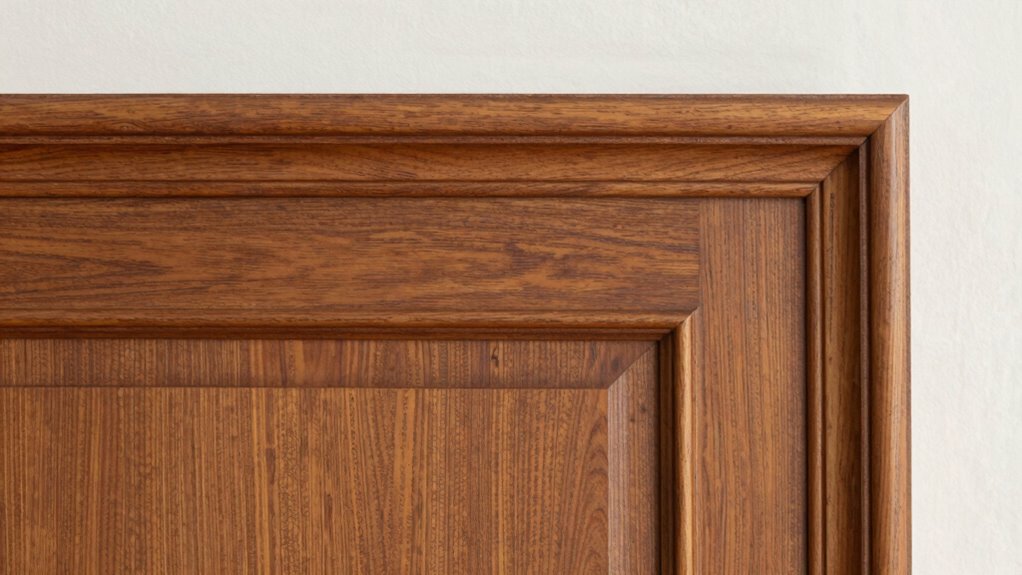

To make your walls feel tailored again, focus on adding high-quality millwork details like custom moldings, wainscoting, or decorative paneling. These elements highlight craftsmanship and can transform plain walls into refined focal points. Choosing the right materials and styles helps blend traditional charm with modern elegance. Well-selected millwork creates a sense of warmth and sophistication. Keep exploring to discover how to select the perfect details that will elevate your space’s unique character.

Get furniture and decor delivered free with Prime
- Fast, free delivery on millions of items
- Prime Video, Amazon Music and more included
- Member-only deals all year
Key Takeaways
- Incorporate custom molding profiles that align with the room’s architectural style for a cohesive, tailored look.
- Use intricate paneling or wainscoting to add depth and personalization to wall surfaces.
- Select high-quality materials and finishes that complement the interior’s design theme.
- Pay attention to precise measurements and installation details for seamless, refined millwork integration.
- Blend traditional and modern millwork elements to create a unique, bespoke ambiance.
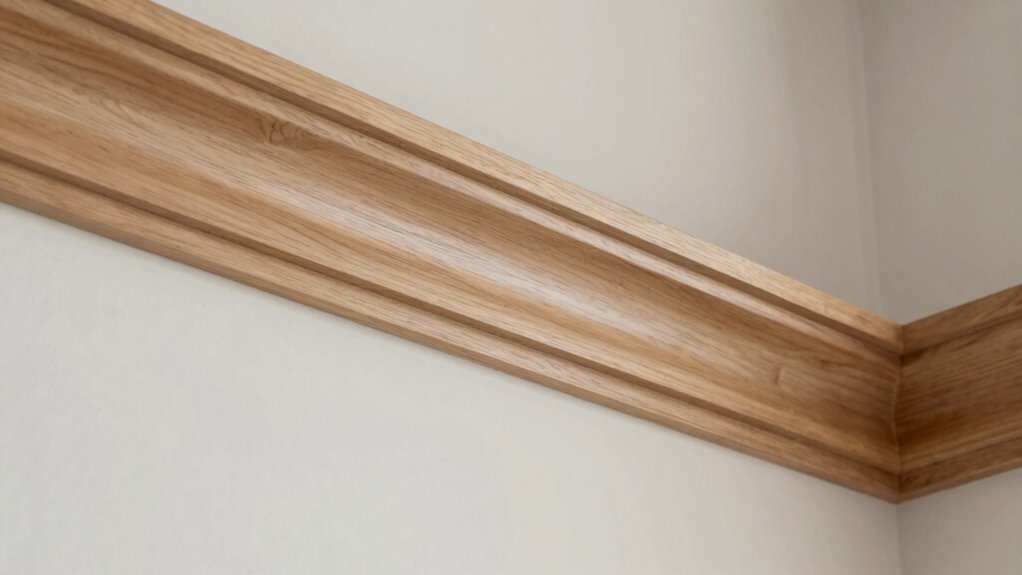
Adding detailed millwork to your walls instantly elevates the space, making it feel custom-tailored to your style. This technique has a rich historical evolution, dating back centuries when skilled craftsmen handcrafted intricate woodwork for castles, mansions, and grand estates. Over time, millwork became a symbol of status and craftsmanship, evolving from simple moldings to elaborate panels and decorative trims. Today, it’s a way to bring timeless elegance into modern interiors, blending tradition with contemporary design. As you explore different styles, you’ll notice how millwork can reflect various periods—be it the ornate carvings of the Victorian era or the sleek, minimalist profiles popular in today’s modern homes. Its historical evolution showcases how craftsmanship and aesthetic preferences have shifted, yet the goal remains the same: to add architectural interest and a sense of refinement to your walls.
Material variations play a significant role in shaping the look and feel of millwork, giving you plenty of options to suit your style and budget. Traditionally, wood was the primary material, prized for its durability and natural beauty. Oak, cherry, and mahogany are classic choices, each imparting a distinct character and warmth. But modern options have expanded to include MDF, polyurethane, and polystyrene, which mimic the appearance of real wood yet offer easier installation and lower costs. If sustainability is important to you, reclaimed or FSC-certified woods provide an eco-friendly alternative that adds character and history to your walls. You can also experiment with painted or stained finishes, which influence the overall ambiance—whether you prefer a crisp, white matte look or a rich, dark stain that emphasizes the grain. Understanding the materials used in millwork can help you select options that balance aesthetics, durability, and environmental impact. Additionally, knowing about the historical evolution of millwork can inspire your choices, blending tradition with modern design preferences. Regardless of your material choice, the key is selecting a variation that complements your interior’s style and function.
The beauty of millwork detail lies in its versatility. Whether you’re aiming for a classic, traditional look or a sleek, modern feel, the right moldings and paneling can dramatically change your space. You’re not just adding decorative elements; you’re creating a tailored environment that speaks to your personal taste. As you consider different options, remember that the historical evolution of millwork offers a wealth of inspiration, while material variations allow you to customize the texture, color, and durability. This combination ensures your walls become a focal point, reflecting both craftsmanship and your unique style. When executed thoughtfully, millwork detail does more than decorate—it elevates your entire space, making it feel genuinely custom and timeless.
As an affiliate, we earn on qualifying purchases.
Frequently Asked Questions
What Is the History Behind Traditional Millwork Detailing?
Traditional millwork detailing stems from historical craftsmanship, where artisans carefully carved and assembled decorative motifs to enhance interior walls. You can see this influence in intricate crown moldings, wainscoting, and paneling, reflecting a period when craftsmanship was highly valued. These details aimed to add character and elegance, making each space feel unique and tailored. Over time, these techniques have evolved but still carry the timeless charm of skilled, handcrafted design.
How Does Millwork Impact Room Acoustics?
Think of millwork as the silent conductor in your room’s symphony, guiding sound absorption and clarity. By integrating detailed moldings and custom trims, you can enhance acoustics, reducing echoes and improving sound quality. Adding acoustic panels within millwork features further refines this effect, creating a balanced environment. This tailored approach makes your space feel more intimate and polished, much like a well-orchestrated performance that’s both functional and beautiful.
Can Custom Millwork Be Added to Existing Walls?
Yes, you can add custom millwork to existing walls. It’s a great way to integrate furniture and enhance lighting, making your space feel more tailored. Skilled craftsmen can customize millwork like built-in shelves, paneling, or decorative moldings that seamlessly blend with your current walls. This upgrade not only elevates aesthetics but also improves functionality, giving your room a polished, cohesive look without the need for extensive renovations.
What Are Cost Considerations for Tailored Millwork?
When considering tailored millwork, you should do a cost analysis upfront to understand your budget. Material selection plays a big role; high-end woods or custom finishes cost more, while options like MDF or plywood are more budget-friendly. Keep in mind that intricate designs or detailed moldings increase labor costs. Balancing your design vision with material choices helps guarantee your project stays within budget while achieving the tailored look you want.
How Do I Choose the Right Millwork Style for My Home?
Think of your home as a canvas; choosing the right millwork style is like selecting the perfect frame. Focus on furniture integration for seamless flow and consider color coordination to unify your space. Opt for classic profiles if you want timeless elegance, or go bold with modern designs. Trust your style, and let your choices highlight your personality, making every wall feel tailored and uniquely yours.
Conclusion
So, next time you walk into a room, notice how those subtle millwork details can transform your space, making it feel just right—like it was made for you. It’s funny how a simple touch can turn ordinary walls into something tailored and warm. Sometimes, it’s those little coincidences, like discovering the perfect trim or molding, that remind us how design thoughtfully woven into everyday life makes all the difference.
Halloween Picks
halloween
As an affiliate, we earn on qualifying purchases.