
TL;DR
Livingetc asked interior designers whether butter yellow is a lasting choice or a short-lived trend as the industry looks toward 2027. Their views differ: some see a soft, versatile color with historical roots, while others say it can feel dated if used everywhere or chosen only because it is fashionable. Designers point toward deeper, earthier shades as possible successors.
Interior designers are divided on whether butter yellow will remain a lasting home color or recede as the trend cycle moves on, according to a Livingetc report looking ahead to 2027. They describe the shade as a warm, adaptable alternative to stark white and cool gray, but caution that its longevity depends on how and why it is used.

Get furniture and decor delivered free with Prime
- Fast, free delivery on millions of items
- Prime Video, Amazon Music and more included
- Member-only deals all year
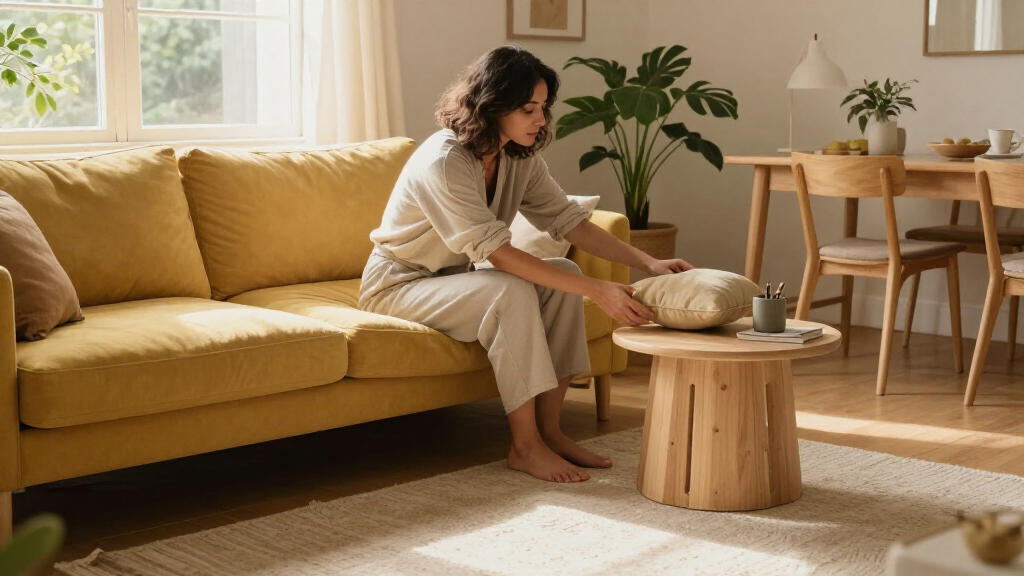
Designers interviewed by Livingetc link the color’s recent popularity to demand for warmer, softer interiors after years of cool grays and bright whites. Butter yellow can bring color without the intensity of a stronger yellow, making it appealing to people who want a room to feel warmer without committing to a vivid palette. Some designers also treat it as a “new neutral” that works with natural materials and patterned fabrics.
The views on its staying power vary. Ailsa MacConnell of Edinburgh-based Studio Mac says the color’s softness and versatility make it more than a passing fad. Laura Stephens draws a distinction between the color’s enduring qualities and the specific trend: she says butter yellow should not automatically be treated as a timeless neutral like cream or stone, particularly if it is used too literally or everywhere at once.
Other designers emphasize individual preference and execution. Color consultant Charlotte Cropper says a shade feels timeless when the person living with it genuinely likes it. Kelsey Coppetti of Los Angeles-based Studio Marrant similarly warns that choosing butter yellow only because it is fashionable could make it easier to abandon when another popular color emerges. The report also points to deeper, warmer, earthier shades as possible next steps in the cycle, without naming a single certain replacement.
A Trend With Staying Power Limits
The debate has practical implications for people planning paint, cabinetry, or larger decorating projects. A color used on walls or fitted joinery is more involved to change than one introduced through smaller, replaceable accents. The designers’ differing views offer no guarantee that butter yellow will remain fashionable; they instead point to the value of choosing a shade for the home and its occupants rather than for its moment in the trend cycle.
The report also distinguishes between a color’s potential longevity and its current popularity. Butter yellow may work as a gentle backdrop alongside warm wood, natural stone, aged brass, and textiles, but broad or highly literal use could make it feel overexposed. That makes the question less about whether the color is inherently timeless and more about whether it suits a particular room and how extensively it is applied.
Products Worth Considering

Dyson V9 Motorbar Cordless Vacuum

Bose TV Speaker (2nd Gen) – Compact Soundbar with Bluetooth and HDMI‑ARC Connectivity, Clear Dialogue, Dolby Atmos, Deep Bass, Remote Contro

Roborock Q7 M5+ Robot Vacuum and Mop
As an affiliate, we earn on qualifying purchases.
Why Butter Yellow Returned
Butter yellow is not a new color in interior design. Rachel Rector of Florida studio Chinotto House says it has appeared in 18th- and 19th-century European and American interiors, as well as Spanish Mediterranean, Victorian, Colonial Revival, and mid-century spaces. That history gives the current trend precedents, though it does not establish that today’s popularity will continue.
Designers in the report connect its renewed appeal to a broader move toward more confident use of color and a desire for rooms that feel welcoming. Compared with bright yellow, the softer shade can sit between cream and a more assertive color. The article uses Farrow & Ball’s Hay as an example of an earthy butter tone in cabinetry and joinery, but the opinions gathered are designers’ judgments, not a measured forecast of consumer demand.
““Butter yellow has been around for years and will be around for many more to come.””
— Ailsa MacConnell, Studio Mac
No Certain Successor Yet
The report presents designer opinions, not market data, and does not establish how widely homeowners are using butter yellow or whether demand is rising or falling. It also does not identify one confirmed successor shade. The references to deeper, warmer, earthier colors describe an emerging direction rather than a settled forecast, and the article does not specify when or how quickly that shift might occur.
Whether butter yellow will feel timeless in a particular home remains subjective. The designers disagree on its status as a neutral, and even supporters acknowledge that how the color is applied can affect whether a room feels enduring or tied to a specific moment.
How the Palette May Shift
Livingetc’s report frames the next phase as a move toward colors that retain butter yellow’s warmth while adding more depth and earthiness. It does not set out a fixed timeline or name a definitive palette that will replace it. For homeowners, the designers’ shared practical message is to consider whether the shade fits their own preferences and materials, rather than treating current popularity as proof of long-term appeal.
As interiors continue to change, butter yellow may remain in use even if its status as a headline trend fades. The report leaves that outcome open: its future depends both on broader color preferences and on whether people use it in ways they continue to enjoy.
Key Questions
Do designers think butter yellow is timeless?
They disagree. Some say its softness and versatility give it staying power; others say it should not be treated as a timeless neutral in every setting.
Why has butter yellow become popular?
Designers interviewed by Livingetc point to demand for warmer, more welcoming rooms after years of stark whites and cool grays. The shade adds color without the force of a brighter yellow.
What colors might follow butter yellow?
The report describes a possible shift toward deeper, warmer, earthier shades, but does not identify a confirmed successor or provide a specific forecast timeline.
How can homeowners use butter yellow without overcommitting?
The designers emphasize personal preference and restraint. The report suggests the shade can work with warm timber, natural stone, aged brass, and patterned fabrics; it does not prescribe a single approach or guarantee that any use will remain fashionable.
Source: rss