
TL;DR

Get furniture and decor delivered free with Prime
- Fast, free delivery on millions of items
- Prime Video, Amazon Music and more included
- Member-only deals all year
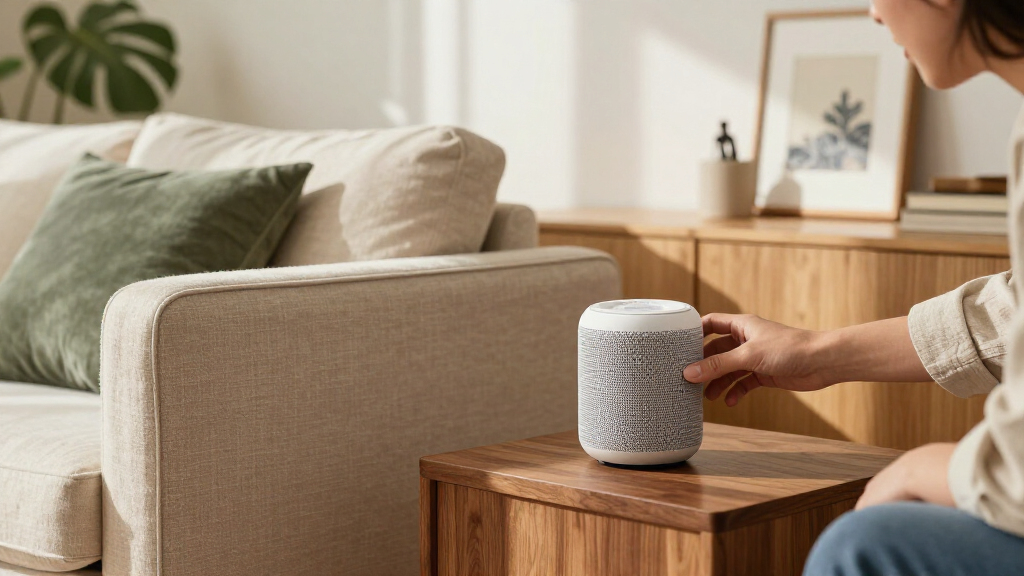
Apple has launched its first branded smart-home lineup, the Apple Home Collection, developed with LG Electronics and Schneider Electric, alongside its HomeView smart display. Apple says Matter, a more conversational Siri and a desire to offer customers a simpler, curated starting point helped make the move possible; pricing starts at $200, and the cameras use HomeKit Secure Video rather than Matter.
Apple has introduced the Apple Home Collection, its first branded smart-home lineup, developed with LG Electronics and Schneider Electric and launched alongside HomeView, the company’s first smart display. The move gives Apple customers a short list of company-endorsed devices—including cameras, thermostats, sensors, a smart lock and a video doorbell—as Apple seeks to make its Home ecosystem easier to adopt, much like these smart-home picks.
The launch marks a shift for Apple, which for more than a decade relied on other companies to make devices for its smart-home platform. Apple Home has supported HomeKit since 2014, and later added support for Matter, the interoperability standard Apple helped establish. But the company had not offered a comparable range of its own home hardware, unlike Amazon with Ring and Google with Nest, according to The Verge’s report.
Apple vice president of product marketing for home Kaiann Drance told The Verge that two developments helped make the timing right: Matter’s broader smart-home framework and improvements to Siri through AI. She described the voice assistant as a key part of HomeView, which can serve as a hub for home controls as well as activities such as music, cooking guidance and calendar checks.
The collection was developed with partners rather than made solely by Apple. Drance said LG contributed consumer-product expertise and Schneider Electric brought experience in home building and installations. Apple says the devices are designed to work through its Home app, with one-tap setup and no requirement for separate LG or Schneider accounts or apps. The source reports that prices start at $200; it does not provide a full price list or availability schedule.
A Curated Entry to Apple Home
Apple is addressing a problem that extends beyond compatibility: many potential buyers do not know what a smart home can do or which products to choose. The Verge cited Parks Associates research that identifies perceived lack of value as the biggest barrier to smart-device purchases, with complexity, privacy and security concerns also ranking high. Apple’s pitch—fewer setup steps, one app and a vetted product lineup—speaks to those obstacles, though the starting price does not address cost.
HomeView could also give the company a practical route to expand device adoption. A customer buying a display for music or household tasks may later add a camera, lock or thermostat that connects through Apple Home. That is a business rationale, not a reported sales result: the source provides no evidence yet about how many customers will buy the new products or whether the collection will increase smart-home adoption.
The strategy also gives Apple more control over the experience without abandoning third-party devices. Drance said the broader Matter and Works with Apple Home ecosystem will remain available. The collection is an endorsed set within that larger choice, not a replacement for it.
Apple Home Collection smart home devices
As an affiliate, we earn on qualifying purchases.
As an affiliate, we earn on qualifying purchases.
From HomeKit to HomeView
Apple launched HomeKit in 2014, but its home platform depended on devices made by outside manufacturers. Matter later offered a shared standard intended to help devices from different brands work together. The Verge reported that Apple’s ecosystem still had fewer supported products than Amazon’s and Google’s, while those rivals also had established in-house smart-home brands.
The new lineup mixes products with different levels of interoperability. The lock, thermostats and sensors are Matter-compatible, and the report says every device supports Thread. The lock also supports Aliro and can operate locally. The cameras instead use HomeKit Secure Video, Apple’s system for processing and storing compatible security-camera footage, rather than Matter.
Apple is also working with ADT through its retail stores to help customers install devices, according to The Verge. That service, alongside the simplified setup claim, reflects an effort to address the practical work involved in choosing and installing connected-home products—not just their software compatibility.
““With the magic of Siri AI, it comes together in a way that we haven’t been able to deliver before.””
— Kaiann Drance, Apple’s vice president of product marketing for home, speaking to The Verge
Camera Support and Rollout Details
The source does not specify when each product will go on sale, where the full lineup will be available, or how much each device will cost beyond the reported $200 starting price. It also does not provide independent testing of Apple’s setup, privacy or performance claims.
The cameras’ lack of Matter support is a notable open question. The Verge reported that Apple did not announce Matter camera compatibility, although the devices’ Thread radios may indicate hardware readiness. Whether Apple plans to add support later, or is waiting for Matter camera standards to include encrypted uploads, remains unclear. That latter possibility was raised in the report, not confirmed by Apple.
It is also not yet clear whether the collection offers capabilities that are unavailable on other Apple Home-compatible devices. Drance described deeper integration, but the report said the collection had no exclusive features at launch. The practical difference may be the promise of a more consistent, Apple-endorsed experience rather than new functions.
Availability and Compatibility Updates
The next details to watch are product-by-product pricing, release dates and the markets where the collection will be sold. Customers will also need more information about installation support through ADT and which features work locally, through Apple Home or with other Matter devices.
For the longer-term strategy, the key test will be whether Apple can turn its simpler setup and curated selection into broader use of smart-home products while continuing to support third-party hardware. Any future Matter support for the cameras would clarify how far the company intends to take interoperability. The source does not report a timeline for such an update.
Key Questions
What is the Apple Home Collection?
It is Apple’s first branded smart-home lineup, developed with LG Electronics and Schneider Electric. The reported products include cameras, thermostats, sensors, a smart lock and a video doorbell.
Why is Apple launching its own smart-home devices now?
Apple executive Kaiann Drance told The Verge that Matter and improvements to Siri through AI helped make the move possible. The company also says customers have asked for guidance on which smart-home products to buy.
Will Apple’s new devices replace third-party products?
No. Drance said Apple will continue supporting the broader Matter and Works with Apple Home ecosystem. The collection is presented as a curated option within that ecosystem.
Do all the new devices support Matter?
No. The Verge reported that the lock, thermostats and sensors support Matter, while the cameras use HomeKit Secure Video. Apple has not confirmed whether the cameras will receive Matter support later.
How much do the products cost, and when will they be available?
The source reports a starting price of $200 but does not give a complete price list or release schedule. Those details remain unclear.
Source: rss
Halloween Picks
halloween
As an affiliate, we earn on qualifying purchases.