
TL;DR

Get furniture and decor delivered free with Prime
- Fast, free delivery on millions of items
- Prime Video, Amazon Music and more included
- Member-only deals all year
House Beautiful reports that organizing and design experts recommend reviewing belongings that may have accumulated during five or more years in a home. Their suggestions include unused bags and gadgets, worn linens, expired products and leftover renovation materials, with safe disposal depending on the item.
House Beautiful has published a list of 13 types of household items to review after living in a home for five years or longer, drawing on advice from professional organizers and design experts. The recommendations focus on belongings that may no longer fit residents’ routines or spaces, including unused equipment, expired products and leftover building materials; they are expert guidance, not a rule that every item must be discarded.
The advice spans everyday clutter and items with more specific disposal needs. Organizers recommend sorting accumulated tote bags, water bottles and branded giveaways, as well as manuals and cords for devices no longer owned. Worn towels, mismatched or unused bedding, old exercise equipment, abandoned craft supplies and other “someday” projects also appear on the list. Where items remain usable, the experts suggest considering donation or resale rather than automatically throwing them away.
Other categories include decorative accessories residents no longer notice, decor that did not work in a previous home, duplicate or rarely used kitchen gadgets, wellness devices tied to routines that have ended, and furniture that no longer suits how a household uses its rooms. The list also calls out expired or unwanted bathroom and beauty products, such as old sunscreen and makeup, and unopened boxes whose contents may have been forgotten. House Beautiful does not provide a universal time limit for keeping these belongings; the guidance is to assess their actual use and fit.
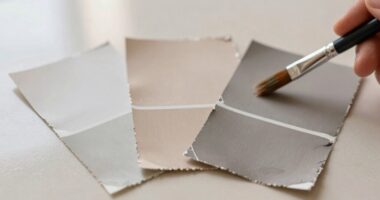
Leftover paint, tile and other renovation supplies need more care than ordinary donations or household rubbish. Organizer Ann Lightfoot recommends keeping a small, labeled paint sample for touch-ups and perhaps one spare tile, while taking the rest—including dried or partly used products—to a local hazardous-waste drop-off where appropriate. Local rules and accepted materials vary, so residents should check their municipality’s instructions before disposal.
How Five Years Changes Household Storage
The recommendations address a familiar practical problem: possessions accumulate while a home’s storage capacity stays the same. A periodic review can free closet, cabinet and garage space for items residents use now, and can make it easier to find what remains. The list also connects decluttering to changing routines: a former hobby, workout plan or household need may no longer reflect the people living in the home.
The article presents this as an opportunity for a considered edit, not a demand to strip rooms of personal objects. Rehoming usable belongings can keep them in circulation, while following local disposal guidance matters for products such as paint and cleaners. The practical benefit is less about reaching a particular number of possessions and more about making storage match present-day use.
Products Worth Considering

Dyson V8 Cyclone Cordless Vacuum

Ring Alarm 14-Piece Wireless Security System Kit

Shark Navigator Lift-Away Upright Vacuum, NV360
As an affiliate, we earn on qualifying purchases.
The Experts’ Case for a Reset
House Beautiful attributes its recommendations to professional organizers and design specialists, including Ann Lightfoot of DDH Home Organizing & Move Management, Laura Kinsella of Urban OrgaNYze and Kerrie Kelly of Kerrie Kelly Studio. Their shared premise is that several years in one home can reveal which possessions support everyday life and which remain stored out of habit.
Lightfoot described the change as the end of the “‘endless storage’ honeymoon,” saying that possessions multiply while square footage does not. Kinsella said careers, families, routines and interests can change without accumulated belongings changing along with them. Kelly framed editing as a way to be intentional about what a home contains. The source recommends working by category and starting with one drawer, cabinet or closet rather than attempting to clear an entire home at once.
““Our careers, families, routines, and interests can change dramatically, but the things we’ve accumulated don’t automatically change with us.””
— Laura Kinsella, founder of Urban OrgaNYze
What the List Cannot Decide
The article does not set a fixed definition of “unused,” specify how much each household should discard, or establish that five years is the right review interval for everyone. Decisions depend on the item, available storage, household needs and whether an object has practical or sentimental value. The advice is based on named experts’ opinions, not a study measuring the effects of decluttering.
Disposal requirements also depend on location and product type. The source points residents to municipal hazardous-waste collection for leftover paint and related materials, but does not list local collection rules or explain how every category should be handled. Readers should verify instructions for their area, especially before disposing of chemicals or other potentially hazardous products.
Start With One Storage Area
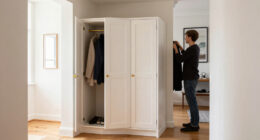
The next step suggested by Kelly is to choose a single drawer, cabinet or closet, remove its contents, clean the space and return only what merits keeping. Residents can set aside usable extras for donation or sale, identify items that belong elsewhere, and check local guidance for materials that require special disposal. A small first session can also help clarify which categories warrant a closer look elsewhere in the home.
House Beautiful’s article does not announce a formal program, deadline or follow-up study. Its guidance is an optional household review: decide what still serves the home, then handle unwanted items according to their condition and local disposal rules.
Key Questions
Does the advice mean everything should be thrown away after five years?
No. The article recommends reviewing belongings after five years, not automatically discarding them. Keep items that are useful or meaningful; consider donating or selling usable extras.
Which items does the article suggest reviewing?
The 13 categories include accumulated bags and branded items, unused cords and manuals, worn linens, old fitness equipment, abandoned projects, overlooked decor, mismatched furnishings, leftover renovation supplies, unused kitchen and wellness gadgets, furniture that no longer fits a household’s needs, expired products and unopened boxes.
How should leftover paint and renovation materials be handled?
Lightfoot advises keeping a small labeled paint sample for touch-ups and perhaps one spare tile. Check local municipal instructions for disposal of the rest, including dried or partly used paint, because collection requirements vary.
Where should someone begin decluttering?
Kelly recommends choosing one category or a small area, such as a drawer, cabinet or closet. Empty and clean the space, then return the items that still deserve a place there rather than trying to clear the entire home at once.
Source: housebeautiful.com