
TL;DR
A Veranda report compares selecting wine with choosing art, drawing on advice from Meadowood Napa Valley educator Sarah Bray and sommelier Elyse Lovenworth. They recommend setting a budget, describing the style or mood you want in everyday language, and asking a wine professional for guidance; the comparison is an analogy, not a claim that wine reliably appreciates in value.
A Veranda report uses buying art as an analogy for ordering wine, with wine professionals Sarah Bray and Elyse Lovenworth advising diners and shoppers to define their budget, preferred style and occasion before choosing a bottle. Their guidance matters for readers who feel uncertain about wine lists: they say plain-language descriptions and a conversation with a sommelier or retailer can help narrow the options.

Get furniture and decor delivered free with Prime
- Fast, free delivery on millions of items
- Prime Video, Amazon Music and more included
- Member-only deals all year
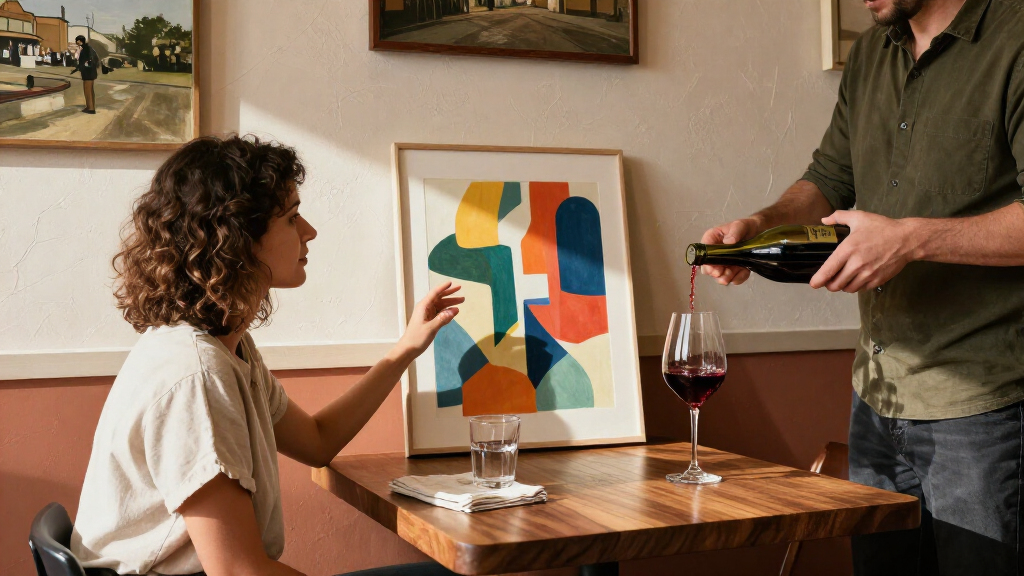
Bray, associate director of The Wine Center at Meadowood Napa Valley, says it helps to arrive with more than a broad request such as “white wine.” A customer might instead ask for something light and crisp or rich and silky, and explain the occasion and price range. The report compares that approach with telling a gallery what kind of artwork appeals to you and where you might display it.
Lovenworth, a Philadelphia-based lead sommelier for online wine shop and tasting company Sommsation, says a wine professional can help people who want to make an informed choice but are not comfortable deciding alone. The report recommends bringing photos of bottles or artwork a person has liked—or disliked—as a starting point for describing preferences.
The comparison also addresses vintage and variation. Bray says wines from the same site can share characteristics while tasting different from year to year, since each vintage reflects that season’s grapes and the winemaker’s decisions. The report notes that “vintage” has different meanings in wine and art: for wine, it refers to the year the grapes were grown.
A More Useful Way to Order
The advice offers diners a practical alternative to feeling they need specialist vocabulary or must choose the bottle with the highest price or prestige. Saying a wine should feel lively, cozy, elegant or bold gives a sommelier clues about the experience a customer wants, even if the customer cannot name a grape or region.
It also frames ordering as a conversation rather than a test. Sharing a price limit and the meal or occasion can help a professional suggest options within the customer’s needs. That may make a long wine list easier to approach, while leaving the final decision with the person who will drink the wine.
The art comparison is useful as a way to talk about taste, but it should not be mistaken for financial advice. The source report discusses wine as something people may collect and describes the analogy with art; it provides no evidence that a bottle will gain value or that buying wine is a dependable investment.
Products Worth Considering

Google Nest Learning Thermostat (4th Gen, 2024) with Nest Temperature Sensor, Polished Gold

Bose Lifestyle Ultra Wireless Home Speaker, White Smoke

eufy Security Video Doorbell E340 Kit with Chime
As an affiliate, we earn on qualifying purchases.
The Advice Behind the Art Analogy
The report grew out of a wine education class hosted by Bray and follows an earlier Veranda guide to ordering wine at a restaurant. It uses the shared creative and craft elements of art and winemaking to explain how a person’s preferences can guide a choice.
Bray likens wines from repeated vintages to landscape paintings of the same scene: a familiar subject can result in a different work each time. In her account, a winemaker works with the same site across years, but each harvest offers a distinct set of conditions and a chance to express that vintage. This is an analogy offered by Bray, not a guarantee that every wine from a place will taste alike.
Lovenworth emphasizes that wine and art are subjective. She says an expert’s recommendation remains an opinion, and the report’s central point is that the best bottle for a customer is one the customer enjoys. The source does not provide tasting data, pricing comparisons or a formal study of wine selection.
““The advantage of speaking to the expert in the room is that we can elevate your experience and be the art curator for your palate.””
— Elyse Lovenworth, Philadelphia-based lead sommelier for Sommsation, as quoted by Veranda
Limits of the Comparison
The report offers professional perspectives, not a tested method for predicting which bottle a reader will like. It does not compare the success of different ordering approaches or establish that a sommelier’s recommendation will match every customer’s taste. Preferences remain personal, and a description such as “silky” may mean different things to different drinkers.
The article also does not provide investment guidance, specific bottles, prices or evidence about resale performance. Although it discusses wine as a possible collectible, whether any particular bottle will hold or increase in value is not established by the report. Its supplied text ends during an example about the price of an artwork, so the complete passage and any further qualification are not available in the source material provided.
Put Preferences Into Practice
For a restaurant order or shop visit, the report’s advice is to state a comfortable price range, describe the occasion and use familiar words for the style or mood sought. Customers can mention bottles they have enjoyed before, or ones they would rather avoid, and ask the sommelier or retailer to suggest a match.
No further announcement or follow-up is identified in the source material. The practical next step for readers is to treat the art comparison as a way to start a conversation—not as a rule about what wine to buy or what it may be worth later.
Key Questions
How should I describe the wine I want?
Use words you already know. The report suggests descriptions such as light and crisp, rich and silky, lively, cozy, elegant or bold rather than relying on specialist terminology.
What should I tell a sommelier before asking for a recommendation?
Share your budget, occasion and preferred style. The report also suggests mentioning bottles you have liked or disliked; photos can help start the conversation.
Does the art comparison mean wine is a reliable investment?
No. The report compares how people choose wine and art, but it does not show that wine will appreciate in value or provide financial advice. A bottle’s future resale value is not established by the source.
Why can wines from the same place taste different?
Bray says wines from the same site can share characteristics yet differ from vintage to vintage. In wine, the vintage refers to the year the grapes were grown; the report attributes variation to each year’s distinct conditions and winemaking choices.
Source: veranda.com