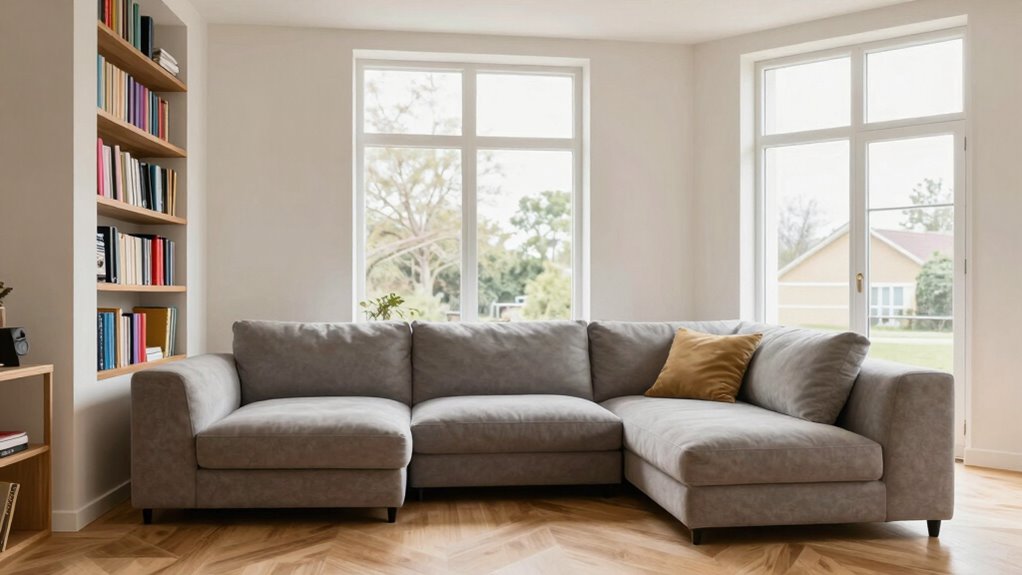

To make your home feel instantly bigger, rearrange your furniture to maximize open pathways and place larger pieces against walls. Keep pathways clear—at least 36-48 inches for entryways and 24-36 inches for living areas—and avoid clutter in the center of the room. Use symmetry and balance to create harmony, and position mirrors opposite windows to reflect light. Continue exploring these simple tricks to open up your space even more.
Key Takeaways
- Clear pathways by arranging furniture away from doorways and windows to maximize open space.
- Position larger furniture against walls to create a sense of openness in the center.
- Use symmetrical furniture placement and mirrors to enhance visual harmony and reflect light.
- Keep surfaces clutter-free and incorporate multi-functional furniture to reduce visual congestion.
- Maximize natural and artificial light to reflect and amplify the sense of space instantly.

DUMOS 64"x21" Arched Full Length Floor Mirror, Full Body Mirror with Stand, Shatterproof Tempered Glass, Modern Aluminum Alloy Frame, Free Standing or Leaning for Home Decor, Gold
- Full Length Reflection: Clear, distortion-free head-to-toe view
- Durable Shatterproof Glass: Nano tempered glass for safety and longevity
- Versatile Placement: Stand, lean, or mount for flexible use
As an affiliate, we earn on qualifying purchases.
As an affiliate, we earn on qualifying purchases.
Feeling Cramped? How Rearranging Furniture Can Make Your Room Look Bigger
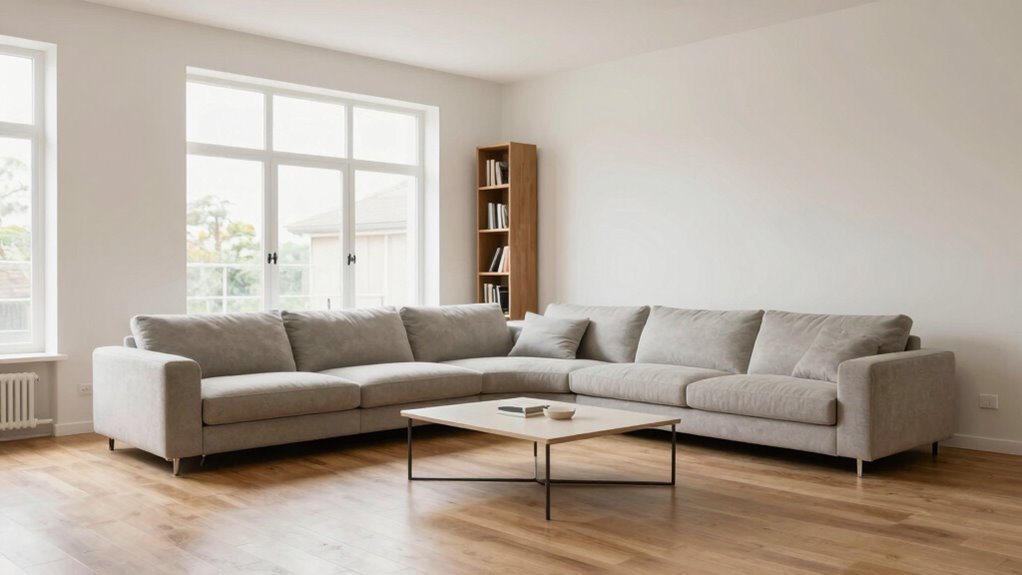
If your room feels cramped, simply rearranging your furniture can create an immediate sense of openness. Start by choosing light, neutral color schemes for your walls; these reflect more light and make the space feel larger. Avoid dark or overly bold colors, which can make a room seem smaller. Next, consider your wall decorations—opt for minimal, well-placed pieces instead of cluttered displays. Hanging mirrors can also expand the visual space by bouncing light around the room. Position your furniture to maximize open pathways, keeping larger items away from doorways and windows. This simple shift in layout, combined with thoughtfully chosen wall decor and airy colors, instantly transforms a tight space into an inviting, spacious feel. Additionally, optimizing lighting conditions can significantly influence the perception of room size, making your space appear bigger and more welcoming. Incorporating strategic furniture placement can further enhance the sense of spaciousness by ensuring the room feels balanced and open, especially when combined with appropriate color choices and minimal clutter. Moreover, understanding the role of visual perception in interior design can help you make smarter choices that enhance the illusion of space. Using proper lighting techniques, such as layered lighting and avoiding harsh shadows, also plays a crucial role in enlarging a room’s appearance.
The One Furniture Layout Trick That Creates Instant Openness
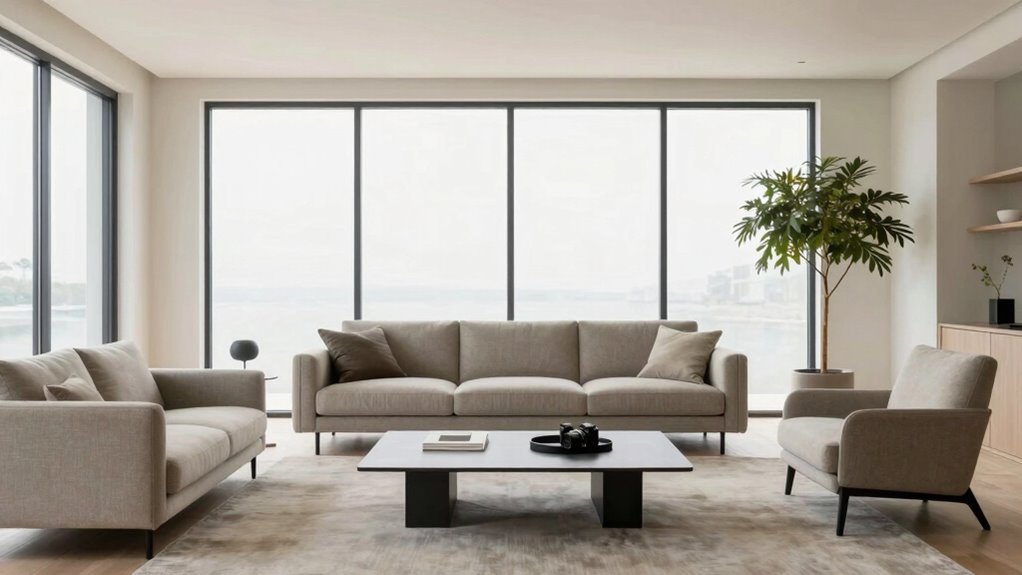
To create instant openness, keep pathways clear and furniture arranged for balance. This prevents clutter and makes the space feel larger. When everything flows smoothly, your room instantly feels more spacious and inviting. Incorporating energy-efficient cloud solutions can also help optimize your living space by reducing the need for bulky hardware and wiring. Additionally, smart home energy management systems can enhance efficiency and flexibility in your home environment. Implementing space planning strategies can further sustain this sense of openness by maintaining clear surfaces and easy-to-access storage.
Clear Pathways Always
Maintaining clear pathways is essential for making any room feel more spacious instantly. Proper space planning guarantees traffic flow remains smooth, preventing furniture from blocking walkways. When arranging furniture, prioritize leaving enough room for easy movement without obstacles. Use this table to help visualize ideal pathways:
| Area | Ideal Pathway Width | Furniture Placement Tips |
|---|---|---|
| Entryway | 36-48 inches | Keep entry clear of large pieces |
| Living Room | 24-36 inches | Arrange sofas to leave central aisle |
| Hallways | 36 inches | Avoid cluttering with side tables |
| Doorways | 36 inches | Keep door swings unobstructed |
Consistent space planning and mindful furniture placement improve traffic flow, instantly creating a sense of openness. Additionally, furniture arrangement plays a key role in enhancing the perception of space.
Arranged for Balance
Arranging furniture for balance instantly enhances the sense of openness in a room. Symmetry balance creates visual harmony, making your space feel cohesive and less cluttered. Position furniture so that each side mirrors the other, whether through matching chairs, tables, or artwork. This symmetry draws the eye evenly across the room, reducing visual clutter and making the space appear larger. Avoid overcrowding one side; instead, distribute pieces evenly to maintain balance. Keep larger furniture centered or aligned with architectural elements, like windows or doors, to reinforce harmony. When your furniture feels balanced, your room looks more open and inviting. Incorporating furniture placement strategies can further optimize space and amplify this effect. Achieving this visual harmony makes even smaller spaces seem more expansive, instantly transforming how your home feels. Notably, incorporating zodiac traits such as confidence and balance can also influence your interior design choices for a more harmonious space.
How to Choose the Best Focal Point to Maximize Space
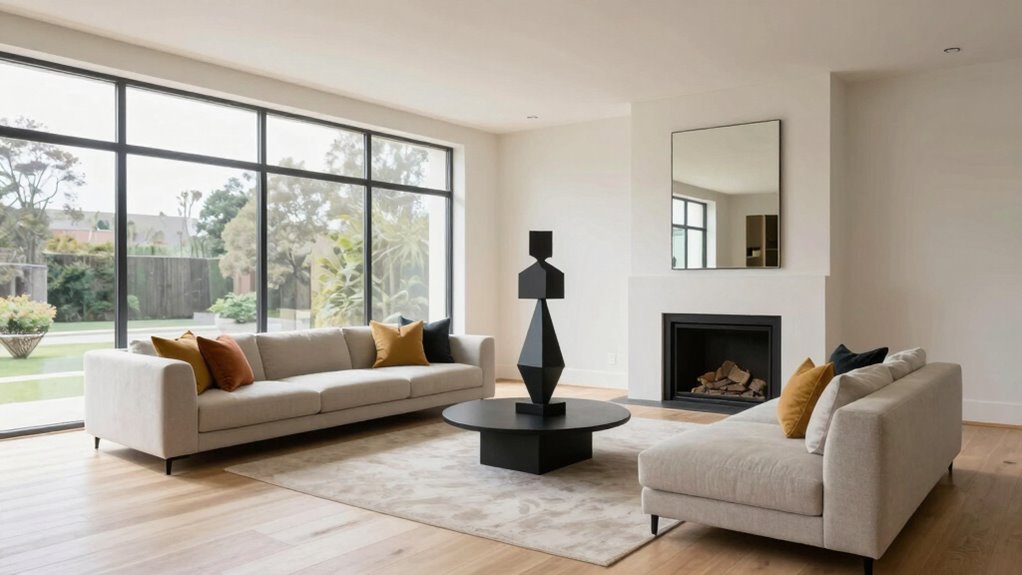
Choosing the right focal point is essential for making a room feel larger and more inviting. Your focal point guides the eye and creates a clear visual hierarchy that can make your space seem more expansive. To do this, focus on a feature that naturally draws attention, like a fireplace, artwork, or a large window. When selecting a focal point, consider how it complements your room’s layout and enhances the overall flow. Proper focal point selection helps avoid cluttered or chaotic appearances, emphasizing open space instead. Keep it simple and striking, ensuring it anchors the room without overwhelming it. By establishing a strong visual hierarchy, you’ll make your room feel bigger, brighter, and more cohesive. Additionally, understanding the importance of well‑sourced coverage can help you make more informed choices about your space, especially when considering home improvement best practices and energy efficiency. Incorporating appropriate lighting can further highlight your focal point and add depth to the room’s design.
Tips for Clearing Clutter and Improving Flow in Your Room
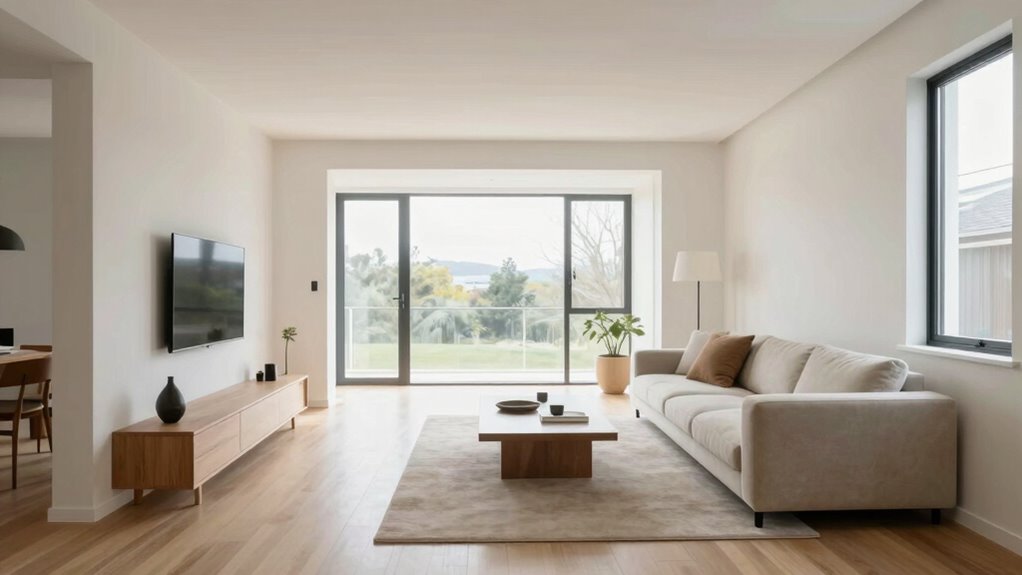
To make your space feel larger, start by decluttering regularly and thoroughly to eliminate unnecessary items. Then, optimize your furniture placement to create smooth flow and avoid congestion. Additionally, incorporating practical gear like multi-purpose furniture can also maximize function without sacrificing space. Remember, creating a sense of well-being through thoughtful design can significantly enhance the feeling of openness and comfort in your home. Incorporating spatial awareness into your layout can further improve room flow and perception. For example, understanding ventilation considerations can help improve airflow and overall room atmosphere, making the space feel more open. Utilizing market trends in home design can also inspire innovative ideas for space optimization. Finally, use light and mirrors strategically to reflect space and brighten the room, enhancing its openness.
Declutter Regularly and Thoroughly
Regularly clearing clutter can dramatically boost your room’s sense of space and flow. When you stay on top of clutter, your space feels more open and inviting. Use smart storage solutions like baskets, shelves, or under-bed containers to keep things organized. Consistency helps you maintain a clean look and prevents clutter from piling up. Consider updating your color schemes with neutral tones to enhance the feeling of openness. When clutter is minimized, your room’s visual flow improves, making it seem larger. Keep a habit of evaluating what’s unnecessary and donating or recycling items. Simplifying your space creates a calming environment and makes everyday tasks more manageable. Staying diligent with decluttering keeps your room feeling fresh and expansive. Maintaining organization is essential for preserving your space’s openness over time. Incorporating wall surfaces and finishes that reflect light can further amplify the sense of space in your room. Additionally, choosing appropriate lighting can enhance the overall brightness and openness of your environment.
Optimize Furniture Placement Strategically
Strategically arranging your furniture can substantially enhance your room’s flow and make it feel more spacious. Start by creating clear pathways, ensuring furniture doesn’t block doorways or windows. Use color coordination to unify pieces, making the space feel cohesive and less cluttered. Keep larger furniture against walls to open up the center of the room, promoting better movement. Incorporate wall art thoughtfully—placing it above furniture rather than cluttered surfaces draws the eye upward, adding visual height. Avoid overcrowding by limiting the number of furniture pieces and choosing versatile, multi-functional items. This approach not only improves flow but also emphasizes open space, making your room feel instantly bigger without any major renovations. Additionally, understanding and applying principles of effective furniture placement strategies can further optimize your layout for maximum spaciousness.
Use Light and Mirrors
Maximizing natural and artificial light can instantly make your room feel more open and inviting. Use ambient lighting to create a warm, evenly lit space that reduces shadows and highlights open areas. Incorporate reflective surfaces like large mirrors or glossy furniture to bounce light around the room, enhancing brightness and depth. Strategically placing mirrors across from windows amplifies natural light, making the space appear larger. Keep clutter minimal to let light flow freely and prevent obstructions. Consider adding a few well-placed mirrors and ensuring your lighting options are versatile, so you can adjust the ambiance as needed. Bright, well-lit rooms feel more spacious, and the clever use of mirrors multiplies this effect effortlessly. Utilizing smart lighting solutions can further optimize your lighting setup by adjusting brightness and color temperature automatically throughout the day.
How to Arrange Your Furniture to Catch More Light and See More Clearly
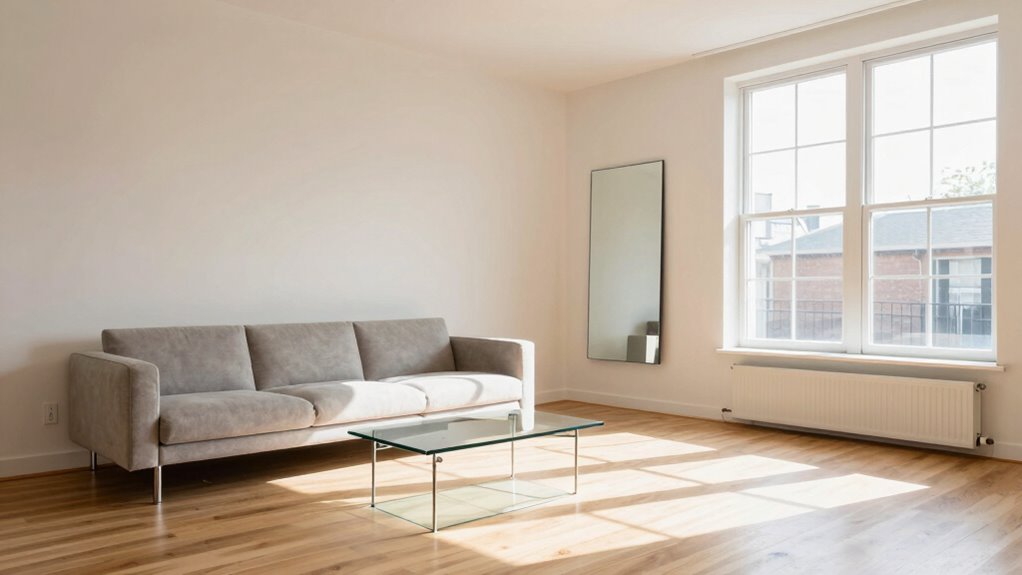
To make the most of available natural light, start by arranging your furniture so that windows are unobstructed and open. Keep larger pieces away from windows to prevent blocking sunlight. Use a light color palette for your furniture and walls to reflect more light throughout the room. Opt for sheer or light-filtering window treatments that allow sunlight to flow in while maintaining privacy. Position your seating to face the windows, maximizing the view and brightness. Avoid heavy drapes or dark-colored furniture that absorb light. Keep surfaces clear of clutter to prevent shadows and dark corners. With thoughtful placement, your space will feel brighter, more open, and more inviting. This simple arrangement enhances clarity and makes your home feel instantly bigger.
Common Mistakes That Make Rooms Feel Smaller: And How to Avoid Them
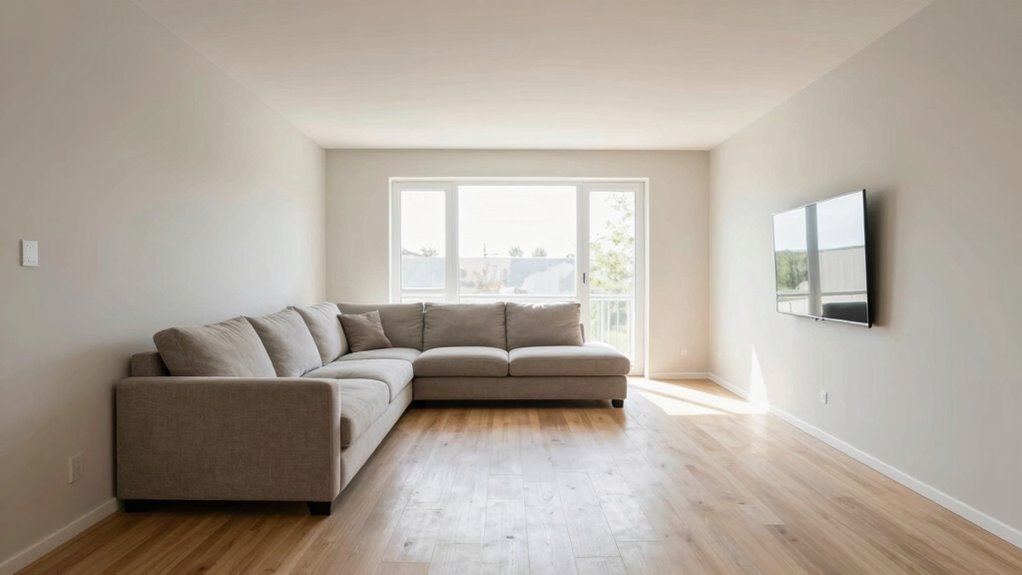
One common mistake that makes rooms feel smaller is overcrowding them with too much furniture. When you pack a space, it limits movement and creates a cramped vibe. Additionally, poor color coordination can make walls appear narrower or darker, reducing the sense of openness. Avoid cluttered wall art arrangements that overwhelm the room or block light, which makes the space feel confined. Instead, choose a cohesive color palette to create a seamless flow and opt for minimal, well-placed furniture. Keep wall art simple and strategically hung to enhance the space without crowding it. Remember, open sightlines and a balanced mix of decor and furniture are key to making your room feel larger and more inviting. Incorporating visual balance through thoughtful placement can significantly enhance the perception of space.
Easy DIY Steps to Make Your Room Feel More Spacious Today

Transforming your space into a more open and airy environment doesn’t require a complete overhaul. Start by choosing light, neutral color schemes for your walls and furniture to reflect more light and create a sense of openness. Incorporate decorative accents like mirrors, which bounce light around the room, making it feel larger. Declutter surfaces and avoid overcrowding with furniture; opt for multi-functional pieces to maximize space. Rearrange existing furniture to improve flow and visibility. Adding simple accessories like sheer curtains or minimal artwork can also enhance the room’s spacious feel. These easy DIY steps are quick to implement and cost-effective, instantly transforming your space into a more welcoming, open environment.
Frequently Asked Questions
How Can Color Choices Influence Room Size Perception?
You can make a room feel larger by choosing light, neutral colors, which leverage color psychology to create a sense of openness. Lighter shades reflect more light, enhancing the illusion of space, while darker colors tend to make rooms feel smaller. Using visual illusions like monochromatic schemes or subtle contrasts also tricks your eye into perceiving more room. So, opt for soft hues to maximize your space’s perceived size effortlessly.
What Role Do Mirrors Play in Making a Space Appear Larger?
Mirrors can boost your room’s perceived size by up to 50%, according to interior design experts. Proper mirror placement and reflective surfaces create an illusion of depth, making your space feel larger. Position mirrors opposite windows or light sources to maximize brightness and reflect more of your room. This simple trick not only expands your space visually but also adds a touch of elegance and openness to your home.
How Does Ceiling Height Affect Room Spaciousness?
Higher ceilings instantly make your room feel more spacious by enhancing the sense of openness. Opt for ceiling design elements like vaulted or tray ceilings, which draw the eye upward and create architectural interest. Incorporate architectural features such as crown molding or exposed beams to emphasize height and add character. These choices transform the space, making it feel larger and more inviting without needing major renovations.
Can Multi-Functional Furniture Improve Room Flow?
Think of multi-functional furniture as a Swiss Army knife for your space. It streamlines your furniture arrangement and maximizes storage solutions, making your room feel more open and less cluttered. By choosing pieces that serve double duty, you create a natural flow that feels effortless. This smart approach helps you utilize every inch efficiently, giving your home a bigger, more organized vibe without sacrificing style or comfort.
What Lighting Techniques Enhance the Sense of Space?
You can enhance your space with smart lighting and natural illumination. Use smart lighting to adjust brightness and color temperature, making rooms feel more open and inviting. Maximize natural illumination by keeping windows unobstructed and using light, airy window treatments. Combining these techniques creates a bright, welcoming atmosphere that visually expands your home. Proper lighting tricks the eye into perceiving more space, making your home feel instantly bigger and more comfortable.
Conclusion
Remember, a tidy space is a tidy mind, and sometimes less truly is more. By rearranging your furniture thoughtfully, clearing clutter, and maximizing natural light, you can transform any room into a more open, inviting space. Don’t forget, small changes can make a big difference—like the saying goes, “A journey of a thousand miles begins with a single step.” Start today, and watch your home feel instantly bigger and brighter.