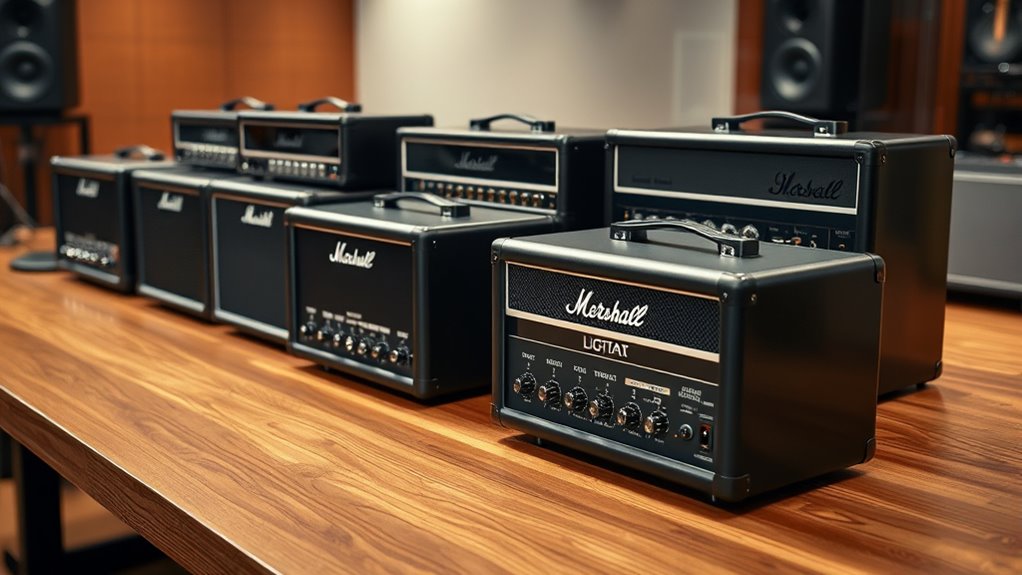
The best luxury guitar amplifier combos pair distinctive tone and dependable construction with features that suit how you actually play. My best overall pick is the Fender Hot Rod Deluxe 30th Anniversary, a strong choice for players who want a versatile tube amp with plenty of stage output. The Fender ’57 Custom Twin-Amp stands out for vintage tube character, while the Fender Tone Master Deluxe Reverb Blonde offers a lighter, more manageable alternative to a traditional tube combo. The main tradeoffs are tube response versus lighter digital designs, raw volume versus home usability, and hands-on simplicity versus modeling flexibility. Continue reading for the full breakdown and help matching an amp to your playing needs.

Get furniture and decor delivered free with Prime
- Fast, free delivery on millions of items
- Prime Video, Amazon Music and more included
- Member-only deals all year
Complete the kit


Key Takeaways
- The Hot Rod Deluxe 30th Anniversary leads as the most balanced choice for players who want expressive tube character and enough output for regular band use, while its size and loudness make it less appealing for quiet rooms.
- The Fender ’57 Custom Twin-Amp is the vintage-voiced premium outlier; its appeal rests on traditional tube tone, not on lightweight portability or broad built-in effects.
- Tone Master models make power easier to live with. The Deluxe Reverb Blonde and Twin Reverb Blonde offer familiar Fender-style formats with a lighter digital approach, a useful distinction for players who move their gear often.
- BOSS Katana models cover different budgets and ambitions. The Katana-50 Gen 3 favors a simpler, more accessible setup, while the Katana Artist and 100-watt versions offer more room for stage use and expanded control.
- There is no single best kind of luxury combo. The Twin Reverb and Hot Rod DeVille 212 IV suit players who need large-stage projection, while the Roland JC-40 and ’68 Custom Princeton Reverb are more practical for compact spaces and controlled volume.
| Fender Hot Rod Deluxe 30th Anniversary 40-Watt Guitar Combo Amplifier |  | Best for Players Who Want Classic Tube Feel with a Distinctive Finish | Amplifier type: Tube | Output wattage: 40 watts | Speaker: 12-inch Celestion G12M-65 Creamback | VIEW ON AMAZON | See Our Full Breakdown |
| Fender ’57 Custom Twin-Amp Guitar Amplifier |  | Best Premium Vintage-Reissue Combo | Amplifier type: Tube | Output wattage: 40 watts | Channels: 2 | VIEW ON AMAZON | See Our Full Breakdown |
| Fender Tone Master Deluxe Reverb Blonde Guitar Amplifier |  | Best Lightweight Luxury-Style Combo | Amplifier type: Solid state | Output power: 100 watts | Speaker: 12-inch Celestion Neo G12 Creamback | VIEW ON AMAZON | See Our Full Breakdown |
| BOSS Katana-100 Gen 3 100-Watt 1×12 Guitar Combo Amplifier Bundle |  | Best for Flexible Live Tone Shaping | Amplifier type: Solid state | Output wattage: 100 watts | Speaker size: 12 inches | VIEW ON AMAZON | See Our Full Breakdown |
| BOSS Katana-50 Gen 3 Guitar Amplifier |  | Best Compact Everyday Practice and Rehearsal Combo | Amplifier type: Class AB | Output wattage: 50 watts | Speaker size: 12 inches | VIEW ON AMAZON | See Our Full Breakdown |
| Laney Lionheart LFSUPER60-112 60-Watt Guitar Combo Amplifier |  | Best for All-Analogue Flexibility | Amplifier type: Solid state | Output wattage: 60 watts | Speaker size: 12 inches | VIEW ON AMAZON | See Our Full Breakdown |
| Fender Mustang GTX100 100-Watt Guitar Amp with 7-Button Footswitch |  | Best for Preset and Connectivity Range | Power: 100 watts | Speaker: 12-inch Celestion | Presets: 200 onboard presets | VIEW ON AMAZON | See Our Full Breakdown |
| Fender ’65 Twin Reverb Guitar Amplifier |  | Best Premium Clean-Headroom Combo | Amplifier type: Tube | Output power: 85 watts at 4 ohms | Speakers: Two 12-inch, 8-ohm Jensen C-12K speakers | VIEW ON AMAZON | See Our Full Breakdown |
| Roland JC-40 Jazz Chorus Compact Guitar Amp |  | Best for Stereo Clean and Chorus | Output wattage: 40 watts | Speaker size: 10 inches | Amplifier type: Solid state | VIEW ON AMAZON | See Our Full Breakdown |
| Fender ’68 Custom Princeton Reverb Guitar Amplifier |  | Best Compact Tube Combo | Amplifier type: Tube | Output wattage: 15 watts | Speaker: 10-inch Celestion TEN 30 | VIEW ON AMAZON | See Our Full Breakdown |
| BOSS Katana Artist Gen 3 100-Watt Guitar Amplifier Combo |  | Best Premium Modeling Combo | Amplifier type: Digital modeling combo | Output power: 100 watts | Speaker: Custom 12-inch Waza | VIEW ON AMAZON | See Our Full Breakdown |
| BOSS Katana-100 Gen 3 Guitar Amplifier | | Best Versatile Stage Value | Amplifier type: Digital modeling | Output power: 100 watts | Speaker: 12 inches | VIEW ON AMAZON | See Our Full Breakdown |
| Fender Tone Master Twin Reverb 200-Watt Guitar Amplifier, Blonde |  | Best for Wide, Clean Stereo-Style Presence | Amplifier type: Solid-state | Output power: 200 watts | Channels: 2 | VIEW ON AMAZON | See Our Full Breakdown |
| Fender Hot Rod DeVille 212 IV Guitar Amplifier |  | Best Traditional Tube 2×12 | Amplifier type: Tube | Output power: 60 watts | Speakers: Two 12-inch Celestion A-Type | VIEW ON AMAZON | See Our Full Breakdown |
| luxury guitar amplifier combo | Amplifier type | Warranty | Weight | Output wattage |
|---|---|---|---|---|
| Fender Hot Rod Deluxe 30th Ann | Tube | 2-year limited manufacturer warranty | — | 40 watts |
| Fender ’57 Custom Twin-Amp Gui | Tube | 2 years | 71.2 pounds | 40 watts |
| Fender Tone Master Deluxe Reve | Solid state | — | 32.1 pounds | — |
| BOSS Katana-100 Gen 3 100-Watt | Solid state | — | 32 pounds | 100 watts |
| BOSS Katana-50 Gen 3 Guitar Am | Class AB | — | — | 50 watts |
| Laney Lionheart LFSUPER60-112 | Solid state | 2 years | — | 60 watts |
| Fender Mustang GTX100 100-Watt | — | 2-year limited warranty | 47.55 lbs | — |
| Fender ’65 Twin Reverb Guitar | Tube | 5-year limited | 72 pounds | — |
| Roland JC-40 Jazz Chorus Compa | Solid state | — | — | 40 watts |
| Fender ’68 Custom Princeton Re | Tube | 5-year limited | 28 pounds | 15 watts |
| BOSS Katana Artist Gen 3 100-W | Digital modeling combo | 2-year manufacturer warranty | 41.8 pounds | — |
| BOSS Katana-100 Gen 3 Guitar A | Digital modeling | 2-year manufacturer warranty | 32.6 pounds | — |
| Fender Tone Master Twin Reverb | Solid-state | 2 years | — | — |
| Fender Hot Rod DeVille 212 IV | Tube | 1-year limited | 49.7 pounds | — |
More Details on Our Top Picks
Fender Hot Rod Deluxe 30th Anniversary 40-Watt Guitar Combo Amplifier
I’d choose this anniversary Hot Rod Deluxe for a player who wants a familiar 40-watt tube platform with a more individual voice and appearance. Its Celestion G12M-65 Creamback and modified preamp circuitry are intended to keep overdrive clear, while smooth spring reverb adds ambience without making the amp’s main appeal a long list of effects. Compared with the Fender ’57 Custom Twin-Amp, this is the more straightforward single-channel choice; the Twin offers two speakers and handwired vintage construction, but carries a substantial transport burden. The Hot Rod’s tradeoff is less vintage-reissue exclusivity and no second channel. Its Western tooled finish gives it a special-edition character, though buyers should verify the listed 9-pound weight, which seems unusually low for a tube combo. I’d treat this as a distinctive stage-oriented tube amp, not a lightweight carry-on.
Pros:- 40-watt tube design with a 12-inch Celestion Creamback speaker
- Modified preamp circuitry is designed to retain clarity as overdrive increases
- Smooth spring reverb adds ambience without relying on digital effects
- Anniversary Western-style finish gives it a distinctive appearance
Cons:- Single output channel offers less clean-to-drive switching flexibility than the two-channel ’57 Custom Twin-Amp
- The listed 9-pound weight appears unusually low for a tube combo, so transport expectations should be checked
- Its special-edition styling may not suit players who prefer a restrained, traditional cabinet
Best for: Players seeking a 40-watt Fender tube combo with spring reverb, a Creamback speaker, and a visually distinctive anniversary finish.
Not ideal for: Players who need a verified lightweight amp, multiple channels, or a faithful handwired vintage reissue.
- Amplifier type:Tube
- Output wattage:40 watts
- Speaker:12-inch Celestion G12M-65 Creamback
- Power amp tubes:2 x 6L6
- Preamp tubes:3 x 12AX7
- Output channels:1
- Finish:Black Western with brown and gold grille cloth
- Warranty:2-year limited manufacturer warranty
Our verdict“Choose this Hot Rod Deluxe if you want a distinctive-looking, single-channel Fender tube combo with a Creamback speaker and spring reverb.”
Fender ’57 Custom Twin-Amp Guitar Amplifier
This is the lineup’s clearest choice for buyers who value handwired vintage construction and classic presentation over easy transport. The ’57 Custom Twin-Amp combines a 40-watt all-tube design with two 12-inch alnico speakers in a solid pine, lacquered tweed cabinet. Its responsiveness to guitar volume and tone controls suits players who want to shape dynamics from the instrument rather than depend on extensive onboard processing. Compared with the Fender Hot Rod Deluxe 30th Anniversary, the Twin leans harder into period-correct construction and a two-speaker setup, while the Hot Rod is a simpler single-speaker combo with modified preamp circuitry. That vintage focus brings real compromises: at 71.2 pounds, this is a challenging amp to move regularly, and its two channels do not make it a modern effects-heavy workstation. I’d pick it for tone and craft, not convenience.
Pros:- Handwired, all-tube design follows a classic 1950s Fender circuit
- Two 12-inch Eminence Special Design speakers with alnico magnets
- Solid pine cabinet with lacquered tweed covering and leather strap handle
- Responsive to guitar volume and tone adjustments
Cons:- At 71.2 pounds, it is substantially harder to transport than the Tone Master Deluxe Reverb Blonde
- Vintage-focused design offers less modern onboard sound customization than the BOSS Katana-100 Gen 3
- Its two-speaker construction makes it a bulky choice for frequent small-venue load-ins
Best for: Players and collectors who want a handwired, all-tube Fender reissue with alnico speakers, vintage styling, and responsive guitar-volume dynamics.
Not ideal for: Gigging players who frequently load gear alone, or buyers who prioritize lightweight construction and extensive built-in tone shaping.
- Amplifier type:Tube
- Output wattage:40 watts
- Channels:2
- Speaker configuration:Two 12-inch Eminence Special Design speakers
- Cabinet material:Solid pine
- Cabinet covering:Lacquered tweed
- Weight:71.2 pounds
- Warranty:2 years
Our verdict“Choose the ’57 Custom Twin-Amp if vintage construction, alnico speakers, and classic Fender character matter more to you than portability.”
Fender Tone Master Deluxe Reverb Blonde Guitar Amplifier
I’d rank this as the most practical premium-style pick for players who want classic Deluxe Reverb character without hauling a traditional tube combo. Its solid-state design models that sound and response, while the five-way power attenuator helps tailor output for quieter settings. At 32.1 pounds, it is far easier to move than the Fender ’57 Custom Twin-Amp, which weighs 71.2 pounds; the Twin remains the choice for buyers specifically seeking handwired tubes and alnico speakers. The Tone Master also supplies reverb, vibrato, and an XLR balanced output, making it a flexible fit for direct connection to a sound system. The compromise is fundamental rather than cosmetic: this is not an all-tube amp, so players who want tube circuitry itself should choose the ’57 Twin or Hot Rod Deluxe instead. Its modeled approach favors lighter handling and convenience.
Pros:- Models the sound and response of a classic Deluxe Reverb
- At 32.1 pounds, it is much easier to carry than the ’57 Custom Twin-Amp
- Five-way power attenuator supports use at different output levels
- XLR balanced output supports direct connection to audio equipment
Cons:- Solid-state modeling may not satisfy players seeking an all-tube amplifier
- Its modeled vintage character is different from the handwired construction of the ’57 Custom Twin-Amp
- A single 12-inch speaker provides less speaker area than a two-speaker combo
Best for: Gigging guitarists who want a Deluxe Reverb-inspired combo, manageable carry weight, lower-volume control, and a balanced XLR output.
Not ideal for: Players who specifically want an all-tube signal path or the handwired vintage construction of the ’57 Custom Twin-Amp.
- Amplifier type:Solid state
- Output power:100 watts
- Speaker:12-inch Celestion Neo G12 Creamback
- Channels:2
- Features:Reverb, vibrato, five-way power attenuator
- Cabinet material:Solid pine
- Output connector:XLR balanced
- Weight:32.1 pounds
Our verdict“Choose the Tone Master Deluxe Reverb Blonde if you want a lighter, feature-equipped Deluxe-inspired combo and do not require tube circuitry.”
BOSS Katana-100 Gen 3 100-Watt 1×12 Guitar Combo Amplifier Bundle
The Katana-100 Gen 3 earns its place for players who want high-output solid-state versatility and app-based editing in one 1×12 combo. Its Tube Logic design and Pushed amp setting aim to provide touch-sensitive response, while BOSS Tone Studio opens up sound customization beyond the amp’s basic controls. Compared with the Fender Tone Master Deluxe Reverb Blonde, the Katana emphasizes tone editing and a pushed amp character rather than a modeled Deluxe Reverb voice, attenuator, and XLR output. It also offers 100 watts, but its single channel means players may need to manage contrasting sounds through settings rather than a dedicated second channel. At 32 pounds, it is not especially light, and the included cable and picks are useful starter extras rather than reasons to choose it as a luxury purchase. I’d favor it for flexible live use over vintage authenticity.
Pros:- 100-watt output and a 12-inch speaker suit louder playing situations
- Pushed amp setting adds a touch-responsive tone option
- BOSS Tone Studio supports remote control and sound customization
- Bundle includes an instrument cable and picks
Cons:- Single channel is less convenient for switching between separate sounds than the two-channel Tone Master Deluxe Reverb Blonde
- At 32 pounds, it remains a substantial carry for a compact 1×12 combo
- Solid-state design is not a substitute for players specifically seeking an all-tube circuit
Best for: Gigging players who want a 100-watt 1×12 combo with app-controlled tone customization and a responsive pushed-amp voicing.
Not ideal for: Players who need two dedicated channels, a tube amplifier, or a particularly lightweight combo for frequent carrying.
- Amplifier type:Solid state
- Output wattage:100 watts
- Speaker size:12 inches
- Output channels:1
- Tone control:4-band
- Connectors:3.5 mm jack and 6.35 mm jack
- Weight:32 pounds
- Included accessories:Instrument cable and picks
Our verdict“Choose the Katana-100 Gen 3 bundle if you want a powerful, app-editable combo for live tone flexibility rather than vintage tube construction.”
BOSS Katana-50 Gen 3 Guitar Amplifier
The Katana-50 Gen 3 is the sensible pick for players who want a single 12-inch combo with broad onboard tone shaping but do not need the Katana-100’s higher output. It offers six amp characters with selectable variations for 12 voicing options, plus five effects sections and Tone Studio editing. That makes it more adaptable than the tube-focused Fender Hot Rod Deluxe 30th Anniversary, which centers on its preamp, Creamback speaker, and spring reverb rather than a wide menu of amp voices. The tradeoff is that this is a single-channel, corded solid-state amp, not a premium tube combo with a vintage circuit or multiple output channels. The 50-watt rating and full-size speaker still give it room beyond quiet practice, but players seeking more headroom for louder live work should compare it with the 100-watt Katana model. I’d choose this version for flexible everyday use and manageable output.
Pros:- Six amp characters with selectable variations provide 12 voicing options
- Five effects sections cover several common tone-shaping needs
- Custom 12-inch speaker and 50-watt output suit practice and rehearsal
- BOSS Tone Studio supports remote editing
Cons:- Single output channel offers less direct switching flexibility than a multi-channel combo
- Corded electric power limits use away from an outlet
- Solid-state format does not provide the tube circuit sought by buyers of the Fender Hot Rod Deluxe
Best for: Home players, students, and rehearsal musicians who want varied amp voicings and built-in effects from a single 12-inch combo.
Not ideal for: Players seeking a tube amplifier, multiple output channels, battery operation, or the greater output of the Katana-100 Gen 3.
- Amplifier type:Class AB
- Output wattage:50 watts
- Speaker size:12 inches
- Amp voicing options:12
- Effects sections:Booster, Mod, FX, Delay, Reverb
- Output channels:1
- Connectors:3.5 mm jack and USB
- Power source:Corded electric
Our verdict“Choose the Katana-50 Gen 3 if you want a versatile, effects-equipped 1×12 for home and rehearsal, rather than a tube-based luxury combo.”
Laney Lionheart LFSUPER60-112 60-Watt Guitar Combo Amplifier
The Laney Lionheart LFSUPER60-112 suits players who want a straightforward, all-analogue combo with useful performance and recording tools. Its 60-watt output, 12-inch speaker, and two channels give it more range than the smaller Fender ’68 Custom Princeton Reverb, while a low-power mode offers a way to play more quietly. Built-in tremolo and reverb cover core effects without adding pedals, and LA:IR technology plus the included footswitch make it more adaptable for recording and switching sounds onstage.
The tradeoff is that this is a solid-state design, not a tube combo like the Princeton or Fender ’65 Twin Reverb, so buyers seeking those amps’ tube response should look elsewhere. At 13.39 kg, it is also not a featherweight grab-and-go amp, and it needs mains power. I’d choose it for practical versatility rather than vintage tube character.
Pros:- Two channels and 60 watts offer more range than the compact Princeton Reverb.
- Built-in tremolo and reverb reduce the need for separate effects pedals.
- Low-power mode supports quieter playing.
- LA:IR technology and included footswitch add recording and performance flexibility.
Cons:- Solid-state design may not suit players seeking tube response and character.
- At 13.39 kg, it is less convenient to carry than smaller combos.
- Requires corded electric power.
Best for: Players who want an analogue, two-channel combo with built-in effects, lower-volume capability, and tools for recording or live switching.
Not ideal for: Tube-tone purists or players who need a very light, battery-powered amp for frequent travel.
- Amplifier type:Solid state
- Output wattage:60 watts
- Speaker size:12 inches
- Channels:Dual channel
- Tone controls:3 bands
- Effects:Tremolo and reverb
- Item weight:13.39 kg
- Warranty:2 years
Our verdict“Choose the Laney for analogue two-channel versatility and built-in recording features, but pick a tube combo if tube response is your priority.”
Fender Mustang GTX100 100-Watt Guitar Amp with 7-Button Footswitch
The Fender Mustang GTX100 is the most digitally flexible choice here: 200 onboard presets, a 12-inch Celestion speaker, and a configurable signal path let players call up varied amp and effects combinations from one combo. Its seven-button footswitch adds tap tempo, bank controls, and a 60-second looper, while Bluetooth streaming and Wi-Fi updates make it easier to play along or manage sounds. Compared with the more traditional Laney Lionheart, the GTX100 puts far more emphasis on stored tones and connected features; unlike the tube Fender ’65 Twin Reverb, it does not ask buyers to commit to one classic amp voice.
That breadth comes with a learning curve: players who want a simple amp with a focused sound may find 200 presets more choice than they need. Its 47.55 lb weight also makes regular carrying a real consideration. I’d rank it for versatility and setup flexibility, not vintage simplicity or light transport.
Pros:- 200 presets provide a broad range of amp and effects combinations.
- Seven-button footswitch includes tap tempo, bank controls, and a 60-second looper.
- Bluetooth streaming and Wi-Fi updates add useful connected features.
- Stereo XLR outputs and stereo effects loop support live and recording setups.
Cons:- The extensive presets and signal options may feel complex to players wanting a simple amp.
- At 47.55 lb, it is heavy for frequent transport.
- Modeling may not satisfy players specifically seeking tube-combo response.
Best for: Gigging and home players who want many recallable amp sounds, a built-in looper, and wireless playback or update options.
Not ideal for: Players seeking a simple, dedicated tube-amp voice or a lightweight combo to carry frequently.
- Power:100 watts
- Speaker:12-inch Celestion
- Presets:200 onboard presets
- Footswitch:7-button, with tap tempo and bank controls
- Looper:60 seconds
- Connectivity:Bluetooth audio streaming, Wi-Fi, stereo XLR outputs, stereo effects loop
- Weight:47.55 lbs
- Warranty:2-year limited warranty
Our verdict“Pick the Mustang GTX100 if you value a large, footswitch-ready palette of sounds and connections more than simplicity or low weight.”
Fender ’65 Twin Reverb Guitar Amplifier
For players whose priority is clean, bright tube tone at high volume, the Fender ’65 Twin Reverb is the lineup’s heavyweight choice. Its 85-watt tube power section drives two 12-inch Jensen speakers, giving it a broader speaker array and more clean headroom than the single-speaker Fender ’68 Custom Princeton Reverb. Normal and vibrato channels, plus built-in reverb and vibrato, make it a strong fit for players who want a classic clean foundation for pedals. Tilt-back legs and a two-button footswitch add practical stage details.
The size is the price of that scale: at 72 pounds, this is much less manageable than the Roland JC-40 or Princeton. Its tube circuitry also brings maintenance needs that solid-state options avoid. I’d place it above the smaller Fender for players who need volume and two speakers, but not for home use where that headroom may be difficult to use.
Pros:- 85-watt tube design provides substantial clean headroom.
- Two 12-inch Jensen speakers give it a wider speaker setup than the Princeton Reverb.
- Built-in reverb and vibrato cover classic effects.
- Tilt-back legs and included two-button footswitch support stage use.
Cons:- At 72 pounds, it is difficult to move regularly without help.
- Tube components may need maintenance.
- Its high output and large cabinet can be excessive for home practice or small rooms.
Best for: Performers who need a loud, clean tube platform with two speakers and onboard reverb and vibrato for pedal-based rigs.
Not ideal for: Home players with limited space, frequent solo carriers, or buyers who prefer a low-maintenance solid-state combo.
- Amplifier type:Tube
- Output power:85 watts at 4 ohms
- Speakers:Two 12-inch, 8-ohm Jensen C-12K speakers
- Channels:2 (normal and vibrato)
- Output tubes:Four 6L6
- Preamp tubes:Four 12AX7 and two 12AT7
- Features:Reverb, vibrato, two-button footswitch, tilt-back legs
- Weight:72 pounds
- Warranty:5-year limited
Our verdict“Choose the ’65 Twin Reverb for stage-level clean tube headroom and a dual-speaker sound, provided its weight and upkeep suit your setup.”
Roland JC-40 Jazz Chorus Compact Guitar Amp
The Roland JC-40 is the specialist in this group: a stereo solid-state combo built around clean tones and the signature Dimensional Space Chorus. Its two 10-inch speakers and true stereo input create a spread that differs from the centered single-speaker sound of the Laney Lionheart and Fender ’68 Custom Princeton Reverb. Built-in vibrato, distortion, and reverb give pedal-focused players extra colors without changing the amp’s clean-first identity, while footswitch control suits performance use. The 40-watt output makes it a more compact proposition than the 85-watt ’65 Twin Reverb.
It is still nearly 40 pounds, so “compact” describes its format more than its carrying ease. The listed features also omit a dedicated headphone output, and its headroom is less suited to very loud, high-gain settings than larger combos. I’d choose it for stereo texture and reliable clean response, not as a tube-like overdrive platform.
Pros:- True stereo input and dual 10-inch speakers deliver a distinctive wide presentation.
- Signature Dimensional Space Chorus gives it a clear role apart from the mono combos.
- Built-in vibrato, distortion, and reverb add useful effects for pedal rigs.
- Solid-steel construction supports regular gig use.
Cons:- Nearly 40 pounds limits portability for a compact-format combo.
- No dedicated headphone output is listed for silent practice.
- Less suited to high-gain settings that demand greater headroom.
Best for: Players with stereo pedals or effects who want a clean, chorus-focused combo for smaller venues and modern pedal rigs.
Not ideal for: Musicians who need a headphone output, high-gain volume headroom, or an easy-to-carry practice amp.
- Output wattage:40 watts
- Speaker size:10 inches
- Amplifier type:Solid state
- Output channel quantity:2
- Audio output mode:Stereo
- Sound profile:Clean, chorus, stereo
- Item dimensions:13.11 × 26.38 × 20.2 inches
- Item weight:39.6 pounds
Our verdict“Choose the JC-40 for stereo clean tones and chorus character, but look elsewhere for headphone practice or high-volume high-gain use.”
Fender ’68 Custom Princeton Reverb Guitar Amplifier
The Fender ’68 Custom Princeton Reverb makes the strongest case for a luxury tube combo that stays manageable in a home, studio, or small gig setup. Its 10-inch Celestion speaker and 15-watt rating (the description calls it 12 watts) put it well below the ’65 Twin Reverb in stage volume and speaker scale, but that smaller format is easier to place and carry. Built-in reverb and vibrato supply familiar Fender color, while the modified tone circuit and reduced negative feedback make the amp responsive to picking dynamics and a broad range of pedals.
It has only one channel, so it cannot match the Laney Lionheart’s two-channel switching or the Mustang GTX100’s preset variety. Players who need pristine volume against a loud band may also prefer the Twin Reverb’s much greater headroom. I’d choose the Princeton for touch-sensitive tube tone in a compact cabinet, accepting its narrower channel setup and modest output.
Pros:- Compact 28-pound tube combo is easier to place and transport than the ’65 Twin Reverb.
- Built-in reverb and vibrato provide classic onboard effects.
- Modified tone circuit is suited to use with pedals.
- Reduced negative feedback supports touch-sensitive response and quicker overdrive.
Cons:- Single-channel design offers less switching flexibility than the Laney Lionheart.
- Lower output and one 10-inch speaker provide less headroom than the ’65 Twin Reverb.
- Tube circuitry may require maintenance.
Best for: Home and studio players, or small-venue performers, who want a compact tube amp with built-in reverb and a pedal-friendly response.
Not ideal for: Players who need multiple channels, high clean volume for a loud band, or a wide range of instantly recallable modeled sounds.
- Amplifier type:Tube
- Output wattage:15 watts
- Speaker:10-inch Celestion TEN 30
- Channels:1
- Effects:Reverb and vibrato
- Dimensions:9.5 × 19.88 × 16 inches
- Weight:28 pounds
- Warranty:5-year limited
Our verdict“Pick the Princeton Reverb for compact, responsive tube tone in home, studio, and small-gig settings rather than high-volume versatility.”
BOSS Katana Artist Gen 3 100-Watt Guitar Amplifier Combo
The Katana Artist Gen 3 is the premium-leaning choice for players who want broad digital tone shaping in a stage-capable combo. Its custom 12-inch Waza speaker, 100-watt output, and six amp characters with selectable variations offer more room to shape a personal sound than the simpler Fender Hot Rod DeVille 212 IV, which centers its appeal on tube response and two channels. The Bloom option and updated Tube Logic design let players adjust feel as well as tone, a useful distinction when moving between clean parts and more responsive drive. The tradeoff is practical: at 41.8 pounds, it is a substantial load, and its digital design will not satisfy buyers specifically seeking tube circuitry. I’d choose it for versatile performance and editing, not minimal weight or traditional tube character.
Pros:- 100-watt output provides headroom for stage use.
- Custom 12-inch Waza speaker is a distinctive part of the Artist model’s voice.
- Six amp characters with selectable variations cover several tonal directions.
- Tube Logic enhancements and Bloom provide additional control over response.
Cons:- At 41.8 pounds, it is a demanding amp to transport regularly.
- Digital modeling will not appeal to buyers who specifically want a tube amplifier.
Best for: Gigging guitarists who want a powerful, flexible modeling combo with a purpose-built speaker and detailed control over amp feel.
Not ideal for: Players committed to tube-only signal paths or musicians who need a lightweight combo for frequent carrying.
- Amplifier type:Digital modeling combo
- Output power:100 watts
- Speaker:Custom 12-inch Waza
- Amp characters:6, with selectable variations
- Connectors:3.5 mm jack, USB
- Weight:41.8 pounds
- Warranty:2-year manufacturer warranty
Our verdict“Choose the Katana Artist Gen 3 if you want premium-leaning modeling flexibility and stage power more than tube circuitry or easy portability.”
BOSS Katana-100 Gen 3 Guitar Amplifier
The Katana-100 Gen 3 makes a strong case for players who want one combo to cover rehearsals, gigs, and varied set lists. Its six amp characters and twelve tonal variations offer plenty of range, while five effects sections and Tone Studio app editing make it easier to build distinct sounds than a more traditional two-channel amp such as the Fender Hot Rod DeVille 212 IV. The 100-watt output and 12-inch speaker also give it stage-oriented headroom without the DeVille’s tube design and heavier 49.7-pound listed weight. That flexibility comes with a different kind of compromise: this is a solid-state modeling amp, not a tube combo, and its 32.6-pound weight still makes it less convenient than a small practice amp. I’d pick it for tonal breadth and onboard control rather than classic tube simplicity.
Pros:- Six amp characters and twelve tonal variations suit varied styles and set lists.
- Five independent effects sections provide broad onboard sound shaping.
- Tone Studio app supports remote editing.
- 100-watt output and a 12-inch speaker are suited to stage use.
Cons:- Solid-state modeling may not deliver the tube feel some players want.
- At 32.6 pounds, it is not a lightweight option for frequent transport.
Best for: Working players who need a single 100-watt combo with multiple amp voices, onboard effects, and app-based editing.
Not ideal for: Guitarists seeking tube circuitry and a traditional amp-first setup, or players who need a very light grab-and-go combo.
- Amplifier type:Digital modeling
- Output power:100 watts
- Speaker:12 inches
- Amp characters and variations:6 characters, 12 tonal variations
- Effects sections:5 independent sections
- Weight:32.6 pounds
- Enclosure material:Wood
- Warranty:2-year manufacturer warranty
Our verdict“Pick the Katana-100 Gen 3 if flexible tones and onboard effects matter more than tube character or minimum carrying weight.”
Fender Tone Master Twin Reverb 200-Watt Guitar Amplifier, Blonde
The Tone Master Twin Reverb suits players after the broad, clean presentation associated with a Twin, but in a solid-state design described as lighter than the classic tube amp. Its two 12-inch Celestion Neo G12 Creamback speakers give it a larger sound platform than the single-speaker BOSS Katana-100 Gen 3, while two channels, reverb, and vibrato keep the focus on classic Fender-style sounds rather than extensive modeling. The five-way power attenuator is useful for adapting output to different playing situations, though it does not make a two-speaker combo compact. Buyers should also check the physical specifications carefully: the supplied data flags a possible mismatch between the listed dimensions and weight and a full-size combo. Compared with the Hot Rod DeVille 212 IV, this is the more direct choice for a solid-state Twin-style voice, but not for tube response.
Pros:- Two Celestion Neo G12 Creamback speakers create a wide two-speaker setup.
- Reverb and vibrato support classic Fender-style sounds.
- Five-way power attenuator offers multiple output settings.
- Solid-state design is described as lighter than the classic tube Twin.
Cons:- The two-speaker cabinet is still a substantial format for players prioritizing portability.
- Listed dimensions and weight may be inconsistent, so buyers should verify the physical details.
Best for: Players who want a Twin Reverb-style clean sound, two 12-inch speakers, and output adjustment in a solid-state combo.
Not ideal for: Musicians seeking a compact, light amp or the specific feel of a tube-powered Twin Reverb.
- Amplifier type:Solid-state
- Output power:200 watts
- Channels:2
- Speaker configuration:2 x 12-inch Celestion Neo G12 Creamback
- Cabinet material:Solid pine
- Features:Reverb, vibrato, five-way power attenuator
- Connector:XLR
- Warranty:2 years
Our verdict“Choose the Tone Master Twin Reverb if you want a broad, classic Fender-style clean sound with two speakers and can confirm its physical specifications before buying.”
Fender Hot Rod DeVille 212 IV Guitar Amplifier
The Hot Rod DeVille 212 IV is the traditional tube-focused pick in this group: a 60-watt combo with two 12-inch Celestion A-Type speakers, two channels, and spring reverb. Its modified preamp is intended to keep notes clearer when overdriven, making it a better fit for players who want tube character and defined drive than the digital BOSS Katana-100 Gen 3. That BOSS offers more amp variations and onboard effects, while the DeVille keeps the experience centered on its tube circuit, speaker pair, and familiar controls. The tradeoff is substantial: at 49.7 pounds, this is the heaviest option among these four, and its 60-watt output is paired with corded power and a one-year limited warranty. I’d favor it for players who value a classic tube combo over carrying convenience or extensive digital editing.
Pros:- Tube amplifier design offers a traditional alternative to the BOSS modeling combos.
- Two 12-inch Celestion A-Type speakers provide a 2×12 configuration.
- Modified preamp circuitry is designed to improve note definition when overdriven.
- Spring reverb is tuned for a smoother sound.
Cons:- At 49.7 pounds, it is difficult to carry regularly.
- It requires corded electric power.
- The one-year limited warranty is shorter than the two-year coverage listed for the BOSS and Tone Master models.
Best for: Guitarists who want a 2×12 tube combo with Fender-style channels, spring reverb, and clearer overdriven note definition.
Not ideal for: Players who carry their amp frequently, want extensive modeled amp choices, or prefer a lighter solid-state combo.
- Amplifier type:Tube
- Output power:60 watts
- Speakers:Two 12-inch Celestion A-Type
- Channels:2
- Tone bands:3
- Cabinet material:Lightweight pine
- Weight:49.7 pounds
- Warranty:1-year limited
Our verdict“Choose the Hot Rod DeVille 212 IV if tube response and a 2×12 Fender combo matter more than portability and modeling flexibility.”

How We Picked
I compared these 14 combos by the needs that separate a premium purchase from a merely powerful one: tonal character, usable output, control and feature depth, build and maintenance demands, and fit for home, studio, or stage. I also weighed practical ownership factors such as cabinet size, speaker configuration, carrying burden, and whether an amp’s design offers tube response, digital convenience, or extensive modeling. A high wattage figure alone did not earn a higher place; usable volume and the player’s likely setting mattered more.
The ranking favors amps that make a persuasive case for a wide range of players, then gives specialized choices their place where their strengths are clear. That puts the Hot Rod Deluxe 30th Anniversary first for its balance of tube feel and working-gig usefulness. Fender’s vintage and classic-voiced models rank well for players seeking a particular sound, while Tone Master and Katana models gain ground for lighter handling, lower-maintenance use, or flexible built-in sounds. More specialized, louder, or less adaptable options rank lower for general use, even when they may be the right choice for a specific player.
| luxury guitar amplifier combo | Amplifier type |
|---|---|
| Fender Hot Rod Deluxe 30th Ann | Tube |
| Fender ’57 Custom Twin-Amp Gui | Tube |
| Fender Tone Master Deluxe Reve | Solid state |
| BOSS Katana-100 Gen 3 100-Watt | Solid state |
| BOSS Katana-50 Gen 3 Guitar Am | Class AB |
| Laney Lionheart LFSUPER60-112 | Solid state |
| Fender Mustang GTX100 100-Watt | — |
| Fender ’65 Twin Reverb Guitar | Tube |
| Roland JC-40 Jazz Chorus Compa | Solid state |
| Fender ’68 Custom Princeton Re | Tube |
| BOSS Katana Artist Gen 3 100-W | Digital modeling combo |
| BOSS Katana-100 Gen 3 Guitar A | Digital modeling |
| Fender Tone Master Twin Reverb | Solid-state |
| Fender Hot Rod DeVille 212 IV | Tube |
Factors to Consider When Choosing Luxury Guitar Amplifier Combos
A luxury amp is a long-term choice, so the right fit depends on more than brand prestige or a wattage label. I’d start with where you play, what volume you can use, and whether you want one signature sound or a broad range of tones.
Match Output to Your Real Playing Environment
Wattage does not tell the whole story: speaker efficiency, cabinet design, and whether the amp is tube or digital all affect how loud it feels in a room. A high-output combo can have a sweet spot that is difficult to reach at home, even if it includes a master volume or power control. For regular rehearsals and stage work, headroom can keep clean tones composed when a drummer gets loud. For a small studio or apartment, prioritize a usable low-volume sound rather than buying extra power just in case. One common mistake is assuming a big amp can always be turned down without changing its feel. Check whether your venues provide microphones or direct outputs, since that may let a smaller combo cover more situations.
Choose Tube Character, Digital Convenience, or Modeling Range
Traditional tube combos appeal to players who value their response to picking dynamics and the way the amp changes as it is driven. That character comes with added weight, heat, and eventual maintenance, including tube replacement. Digital designs can reduce carrying burden and routine upkeep, and they may offer attenuation, direct connections, or a more consistent sound at different volumes. Modeling amps trade a single, familiar voice for a larger palette of amp styles and effects; that breadth is useful only if you want to choose and manage those sounds. Think about how often you change tones during a set before paying for extensive presets. A player who mostly uses one clean or driven sound may get more satisfaction from a simpler amp with a strong core voice.
Treat Portability as a Performance Feature
A combo’s cabinet and speaker count can matter as much as its electronics when you move it between home, rehearsal, and gigs. Two amps with similar output may differ sharply in weight and bulk, especially when one uses a traditional tube design and another takes a lighter digital approach. Consider stairs, car space, storage, and whether you can safely lift the amp alone. A 2×12 cabinet may spread sound effectively onstage, but it is harder to transport than a compact 1×12. Do not assume a premium build makes an amp easy to carry; durable construction can add weight. If your amp rarely leaves one room, you may prefer to spend your portability budget on tone or features instead.
Decide How Much Control You’ll Actually Use
Footswitch support, presets, effects, and app-based editing can make a rig faster to operate, but they also add complexity. Players who need several distinct sounds in one set should check which changes can be made hands-free and whether the required footswitch is included or separate. If you mainly adjust volume and gain between songs, a large preset library may add little practical value. Think through the signal chain too: built-in effects can simplify a setup, while players with established pedals may prefer fewer overlapping features. Before buying, confirm that the controls are easy to reach and understand in dim stage conditions. The best feature set is the one that supports your playing without pulling attention away from it.
Budget for Ownership, Not Just the Initial Setup
With premium combos, the long-term cost can include tube service, replacement speakers, repairs, transport, and compatible switching accessories. Tube amps may reward players who value their particular feel, but they ask for more maintenance than many digital alternatives. An amp with presets or effects can reduce the need for some external gear, though it may not replace pedals you already rely on. Check what the included bundle contains and avoid paying for accessories you would not use. Also think about service access and the availability of parts, especially if the amp will be central to gigging. A less elaborate combo can be the better long-term purchase if its sound and controls fit your needs without extra gear or upkeep.
Frequently Asked Questions
Is a tube combo a better luxury purchase than a digital combo?
Neither format is automatically better; the choice depends on what you want from the amp. Tube combos such as the Fender ’57 Custom Twin-Amp and Hot Rod Deluxe 30th Anniversary appeal to players who prioritize traditional tube response and a focused voice. Digital models like the Tone Master series can be easier to carry and may offer practical volume or connection features. Tube models also bring more heat, weight, and maintenance, while digital models may feel less appealing to players seeking a particular tube interaction. Choose by feel and use case, not by assuming one technology is inherently more premium.
Can a 100-watt combo work for home practice?
It can, but the wattage alone does not show whether it will sound satisfying at low volume. Look for a usable master-volume range, power-control options, or features that suit quiet playing, and check how the amp handles at the levels you can actually use. The Katana models provide a different kind of flexibility from large traditional tube combos, but each model’s controls and sound options still matter. If most playing happens at home, do not buy extra stage output unless you expect to need it. A smaller amp that sounds good quietly may get played more often.
Should I choose the Tone Master Deluxe Reverb or a traditional Fender tube combo?
Choose based on the balance you want between classic tube operation and easier ownership. The Tone Master Deluxe Reverb Blonde suits players drawn to a familiar Fender-style format who also value a lighter digital design. A traditional Fender tube combo may be a better match if tube response and the upkeep that comes with it are part of the appeal. Compare the amps at the volume you plan to use, rather than relying on descriptions of their intended sound. Also account for carrying weight if the amp will travel often.
Is the BOSS Katana-50 enough for a first premium combo?
It can make sense for a newer player who wants an approachable amp with more range than a one-voice design. Its position in the Katana family favors a simpler setup than the larger 100-watt and Artist options. That can keep the learning curve and physical footprint manageable, but players needing more stage headroom or expanded control may outgrow it sooner. Consider whether you need to play with a full band and whether you want built-in tones or a more focused amp voice. A first purchase should fit your current space and playing habits, not just a future possibility.
When is a larger 2×12 combo worth the extra size?
A 2×12 can be a good fit when you want broad stage projection and do not need to move the amp frequently. The Fender Hot Rod DeVille 212 IV represents a more substantial setup than compact choices such as the Roland JC-40 or ’68 Custom Princeton Reverb. That larger format can be excessive for home use, small venues, or players who transport their own gear. Before choosing it, ask whether the venue’s sound system can carry the guitar and whether you need the amp to fill the room on its own. If not, a smaller combo may be easier to use without giving up the volume you need.
Conclusion
For most players seeking a premium all-rounder, I recommend the Fender Hot Rod Deluxe 30th Anniversary as the best overall pick for its blend of tube character and stage-ready output. The BOSS Katana-50 Gen 3 is my best value choice for players who want flexibility without stepping straight into a large, specialized rig, and the Fender ’57 Custom Twin-Amp is the best premium option for a buyer committed to vintage tube character. Beginners who want room to explore different tones should compare the Katana-50 with the Fender Mustang GTX100, while players prioritizing classic clean sound in a compact format should look at the Roland JC-40. For large stages, the Fender ’65 Twin Reverb or Hot Rod DeVille 212 IV makes more sense; for reduced carrying weight with a Fender-inspired sound, consider the Tone Master Deluxe Reverb Blonde. Pick the amp that fits your playing space and the sounds you use most, rather than paying for power or features you will rarely call on.
Halloween Picks
halloween
As an affiliate, we earn on qualifying purchases.