TL;DR
Interior designers Jamie Loren and Viviane d’Adesky recommend six HomeGoods categories to browse: coffee table books, accent pillows, vases, lamps, decorative bowls and linens. Their advice focuses on materials, function and choosing pieces selectively; inventory and quality vary by store and visit.
Interior designers Jamie Loren and Viviane d’Adesky say shoppers looking for affordable decor at HomeGoods should pay particular attention to coffee table books, accent pillows, vases, lamps, decorative bowls and linens. Their recommendations offer a practical way to sort through the retailer’s varied merchandise, though they stress that stock and quality vary and desirable items may take more than one visit to find.

Get furniture and decor delivered free with Prime
- Fast, free delivery on millions of items
- Prime Video, Amazon Music and more included
- Member-only deals all year
Loren recommends coffee table books as a way to add color, texture and dimension while displaying a homeowner’s interests. The article says shoppers can often find them near the picture frames. She also checks the pillow department, where she advises looking for removable covers and interesting fabrics that feel substantial. Covers that can be changed make it easier to update a room without replacing larger furnishings.
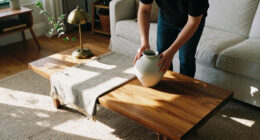
For vases, Loren suggests looking beyond their use with flowers: a well-chosen piece can function as a sculptural accent on its own. She favors an oversized vase over several small accessories when shoppers want a stronger focal point. D’Adesky, meanwhile, says HomeGoods’ lamp section can include ceramic and stone table lamps. A smaller lamp can add warmer, more intimate lighting in a corner instead of relying only on overhead lights, she said.
D’Adesky also recommends browsing decorative bowls and vessels, including marble pieces and boxes with bone inlay. They can dress up a console or bookshelf and provide a place to store small objects, but she cautions against creating clutter. For bed linens and towels, she says to check the fabric composition and avoid polyester. She suggests holding fabric up to a light to inspect its weave, with a tighter weave generally indicating a more durable item, according to her advice.
Six designer-approved categories to browse
Interior designers Jamie Loren and Viviane d’Adesky share what to look for—and how to judge each find. Stock and quality vary by store and visit.
Six places to start
Use these categories as a browsing guide, then assess each item for your space.
Coffee table books
Add color, texture and a display of your interests.
Accent pillows
Look for substantial fabrics and removable covers.
Vases
A well-chosen vase can stand alone as a sculptural accent.
Lamps
A small table lamp can bring warmer light to a corner.
Decorative bowls
Look for useful pieces that dress up a console or shelf without adding clutter.
Linens
Check fabric composition and inspect the weave against the light.
Choose with care
Small checks can help shoppers judge whether a find suits its intended use.
Read linen labels, inspect fabric and examine an item’s construction.
Removable pillow covers and bowls that store small objects add practical value.
Build a room over time; compare each item’s price and condition with your needs.
What to expect
The assortment can include different makers, materials and styles.
- Varied styles and materials to browse
- Decor that may combine across looks
- Useful finds when materials suit your needs
- Stock changes across stores and visits
- Quality varies item by item
- A designer’s anecdote does not guarantee a bargain
Plan for a changing assortment
A specific piece may take more than one visit to find.
- Focus on what fits your space rather than completing a room in one trip.
- Do not assume an item will be in stock at every location.
- Skip pieces that feel generic or artificial-looking if they do not suit your home.
How to Judge HomeGoods Finds
The recommendations matter to shoppers because HomeGoods carries a broad mix of merchandise rather than consistently coordinated collections. The designers’ advice offers a set of specific categories and selection cues for people who want to spend carefully: inspect fabric and materials, prioritize useful details such as removable pillow covers, and consider whether an object can work as both decor and storage.
The suggestions are not a guarantee that any particular store will have a certain product or quality level. D’Adesky says she has found pieces at the retailer that she considers high quality, including a leather Natuzzi sofa she said retails for $5,000 elsewhere and was available for half that price at HomeGoods. That is an individual example, not a verified price comparison for current inventory or a typical discount. Shoppers should assess each item and its price for themselves.
The guidance also favors a slower approach to decorating. Rather than buying a complete room’s worth of accessories at once, shoppers can look for a few pieces that fit their space and build around them. That may help avoid impulse purchases of generic or artificial-looking items, which Loren advises skipping, including premade floral arrangements and decorative signs with slogans.
Products Worth Considering

Bose SoundLink Plus Portable Bluetooth Speaker, Black

Dyson V9 Motorbar Cordless Vacuum

Bose TV Speaker Compact Soundbar with Bluetooth and HDMI-ARC, Black
As an affiliate, we earn on qualifying purchases.
Why Store Finds Can Vary
HomeGoods’ inventory is described by the designers as an assortment of products from different makers, materials and styles, rather than a single coordinated look. That variety can offer shoppers options at different price points, but it also means a specific item may not be available every time they visit. There is no guarantee of consistent stock across stores or shopping trips in the article’s account.
Loren says the mix can make it possible to combine styles, while d’Adesky cautions that quality varies and shoppers need to know what materials to look for. The article’s six categories are therefore browsing suggestions, not a ranking of products or a claim that all HomeGoods merchandise is well made. It gives no store-by-store inventory data, current prices or independent testing of the suggested products.
“Unlike stores that carry coordinated collections with a very specific aesthetic, HomeGoods offers an assortment of pieces from different makers and styles.”
— Interior designer Jamie Loren
What Shoppers Cannot Count On
The article does not identify particular HomeGoods locations, provide a publication date, or say whether the recommended items are currently in stock. It also does not list specific prices for the six categories, apart from d’Adesky’s anecdote about a sofa. Availability, pricing and product quality remain item-specific; the recommendations should not be read as a guarantee of bargains or durability.
The guidance about fabric composition and weave is attributed to d’Adesky, but no product testing or independent comparison is included. The retailer’s assortment can change, so shoppers may not find the same pieces on a later visit.
A Practical Plan for Your Visit
Shoppers can use the six categories as a checklist, then inspect each item’s materials, construction, condition and price before buying. For linens, check the label and examine the weave; for pillows, look for removable covers; and for lamps, confirm that the design and size suit the intended spot. Compare the item with your needs rather than relying on a designer’s anecdote or a perceived discount alone.
Because inventory changes, d’Adesky recommends patience and more than one visit when a shopper has a particular goal. The advice is to add pieces over time rather than expect to complete a room in a single trip. No product launch, inventory update or follow-up by the designers is specified.
Key Questions
Which six HomeGoods categories do the designers recommend?
They suggest browsing coffee table books, accent pillows, vases, lamps, decorative bowls and linens. The recommendations are categories to inspect, not a promise that each store will have specific items.
What should shoppers look for in HomeGoods linens?
D’Adesky advises checking the fabric composition and avoiding polyester. She also suggests holding fabric up to a light to inspect the weave, saying a tighter knit is typically higher quality. The article does not include independent product testing.
Are HomeGoods products consistently high quality?
No such guarantee is made. The designers say quality varies, so shoppers should examine materials and construction on each item. The article’s examples reflect their experiences, not an assessment of all merchandise.
Will every HomeGoods store have these items?
The article says HomeGoods inventory varies, and it provides no store-level stock information. Shoppers may need to visit more than once and should not assume a recommended item will be available.
Source: apartmenttherapy.com