
TL;DR
A House Beautiful report outlines five ways designers break up overly coordinated interiors: mix wood tones, distinguish a kitchen island, vary dining chairs, contrast artwork and combine fixture finishes. Designers interviewed for the report say repeating a few details can keep the mix feeling cohesive rather than chaotic.
A House Beautiful report recommends five ways to loosen up overly coordinated rooms, drawing on advice from interior designers about mixing wood tones, furniture, artwork and finishes. The suggestions offer homeowners alternatives to buying matching sets while retaining selected details that help a room feel intentional and cohesive.

Get furniture and decor delivered free with Prime
- Fast, free delivery on millions of items
- Prime Video, Amazon Music and more included
- Member-only deals all year
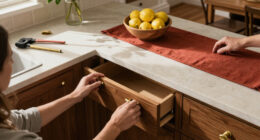
The report’s first suggestion is to mix light and dark wood tones instead of matching every wooden surface. Gray Oak Studio founder Leah Hook says her firm uses a range of wood shades. Repeating one tone in a smaller detail, such as an art frame or tray, can connect different pieces without making them identical.
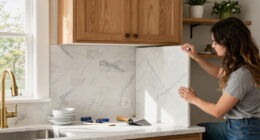
For kitchens, GLDESIGN founder Gaelle Dudley suggests giving the island a different stone or thicker profile from the surrounding countertops. In dining rooms, the report advises pairing chairs from different collections, while keeping practical details in mind: chairs should suit the table’s height and have enough room to pull out.
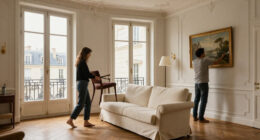
The remaining ideas apply the same principle to decoration and hardware. Designers interviewed by House Beautiful recommend combining contrasting art styles and frame materials, while repeating a detail such as mat size or frame width. They also suggest mixing fixture finishes, such as brass and matte black, rather than using one finish throughout a room.
More Variety Without Visual Clutter
The recommendations address a common decorating choice: whether to buy coordinated sets or assemble a room from pieces with more variation. The designers’ advice suggests that cohesion does not require identical finishes or styles. A repeated detail can provide a visual link while different materials, shapes or art styles give a room more character.
For homeowners, the practical value is that variety can come from changing one or two elements rather than replacing an entire room. The report also flags functional constraints alongside appearance: dining chairs need to work with the table and fit the space, and a kitchen island’s materials and dimensions must suit the actual project.
Products Worth Considering

Philips Hue Play Gradient Light Tube, Large, Black

Philips Hue Amarant Outdoor Smart Light Bar, Black

Levoit Air Purifier for Home, Pets, Bedroom – Smart Wi‑Fi for Large Rooms
As an affiliate, we earn on qualifying purchases.
Five Ways to Loosen a Set
The House Beautiful article frames its advice around rooms that feel overly coordinated, including bedrooms furnished with matching nightstands and lamps. Designer Preeti Shah, founder and principal designer at Spotlight Style, says a room can feel sterile when every item comes from the same set. That is her professional assessment, not a finding from a measured study.
The five tips move from larger surfaces to finishing details: mix wood tones; give a kitchen island its own look; choose dining chairs from different collections; let artwork contrast; and vary hardware or fixture finishes. Across the examples, the common approach is to introduce contrast while repeating a limited element—such as a wood tone, frame width or mat size—to make the overall arrangement feel considered.
“A home often looks sterile when everything comes from the same set.”
— Preeti Shah, founder and principal designer at Spotlight Style
Advice, Not a Design Trial
The article presents professional design advice and photographed examples; it does not report a survey, controlled study or measured evidence that these choices make homes more appealing or increase property value. Terms such as “sterile” and “expensive” reflect the designers’ opinions, not quantified outcomes.
It also does not set universal rules for which materials or finishes work together. The result depends on the room, the pieces selected and practical constraints. For example, the report offers no project-specific guidance on stone cost, installation requirements or whether a particular chair arrangement will fit a reader’s dining area.
Apply the Ideas Room by Room
The report does not announce a product launch, renovation program or scheduled follow-up. Its next step for readers is practical: identify one room that feels too coordinated, then test a limited change—such as a contrasting frame, a different wood accent or a pair of chairs from another collection.
Before making larger changes, homeowners can check measurements and how pieces function together. In a kitchen, material and profile choices should be reviewed against the project’s layout and budget; for dining chairs, height and clearance matter as much as appearance. The source provides no further update or deadline.
Key Questions
What are the five designer suggestions?
Mix wood tones, give the kitchen island a distinct look, combine dining chair styles, contrast artwork and vary hardware or fixture finishes.
How can different pieces still look cohesive?
The designers suggest repeating a limited detail, such as a wood tone, artwork mat size or frame width, to connect otherwise different pieces.
What should I check before mixing dining chairs?
House Beautiful advises checking chair height against the table and confirming there is enough room to pull the chairs out without hitting a wall.
Does the report prove that mixed finishes make a home more valuable?
No. It presents designers’ opinions about appearance and does not provide data showing that mixed finishes raise a home’s value.
Source: housebeautiful.com