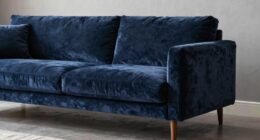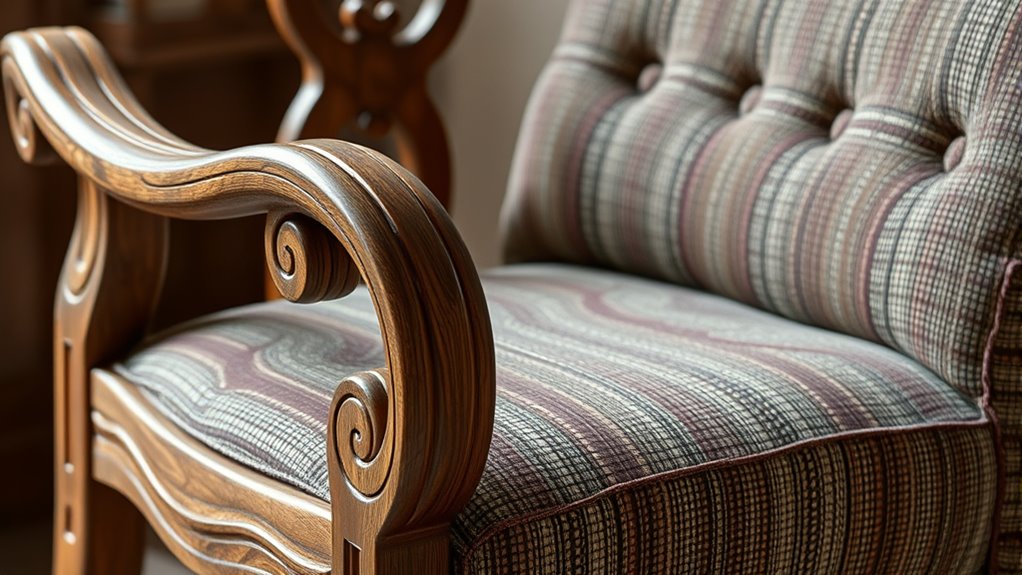

You can elevate traditional design by blending classic forms with modern textures and materials that bring freshness and sophistication. Imagine timeless silhouettes enriched with plush velvet, textured weaves, and sleek industrial metals, creating tactile richness. Incorporate subtle carvings or decorative moldings with innovative finishes to maintain familiarity while adding visual interest. Rethink ornamentation through minimalist enhancements, balancing craftsmanship with sustainability. Continue exploring how to craft spaces that honor tradition yet embrace contemporary elegance and innovation.
Key Takeaways
- Combine classic furniture silhouettes with contemporary textures like metallic fabrics or textured weaves.
- Reinterpret traditional ornamentation using innovative materials and subtle carvings for a modern touch.
- Balance vintage-inspired forms with modern materials such as matte metals and eco-friendly finishes.
- Emphasize craftsmanship through a blend of hand-carved details and technological precision.
- Incorporate sustainable, environmentally conscious materials to enhance traditional designs with a modern ethos.
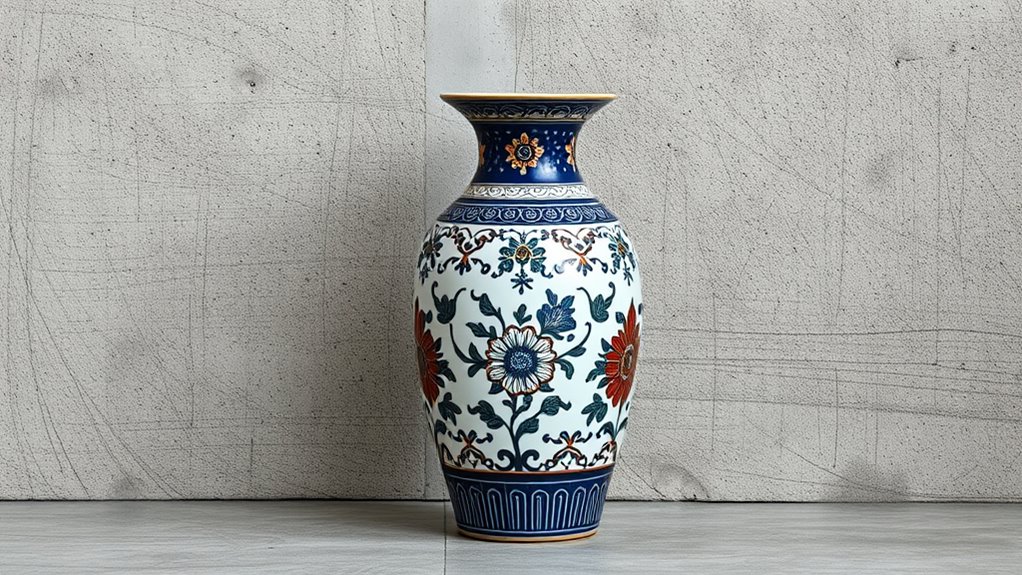
Have you ever wondered how contemporary design can honor the timeless elegance of tradition while embracing fresh, innovative aesthetics? It’s a delicate balance, one that requires an eye for detail and a sense of purpose. In the sphere of New Traditional, you blend classic forms with modern textures, creating spaces that feel both familiar and invigorating. Think of the graceful curve of a traditional sofa, reimagined with a sleek, minimalist silhouette that emphasizes clean lines without sacrificing comfort. Here, ornamentation isn’t abandoned but reinterpreted—subtle carvings and decorative moldings are crafted from innovative materials or rendered with a pared-down approach, so they evoke tradition without overwhelming the senses.
Textures become essential in this dialogue between old and new. You might choose a plush velvet for a chair’s upholstery, giving a nod to vintage luxury, but pair it with a matte, industrial metal frame that adds a contemporary edge. The juxtaposition of materials—warm woods, cool metals, soft textiles—creates depth and interest, inviting touch and exploration. It’s about finding harmony in contrast, where tactile richness enhances the classic forms and makes them relevant in today’s aesthetic landscape. The use of modern textiles, like textured weaves or metallic-finished fabrics, adds an unexpected layer, elevating traditional shapes with a fresh sensibility. These textures aren’t just visual; they’re tactile statements that invite you to engage with the design on a sensory level.
Innovative craftsmanship plays a role here as well. You might incorporate hand-carved details on furniture, but crafted with modern techniques that allow for more precise, sustainable, and intricate work. It’s about respecting the craftsmanship of the past while pushing boundaries through technology and new materials. This subtle evolution results in pieces that feel rooted in history but speak the language of today’s design. In your approach, you’re not simply copying tradition; you’re reinterpreting it—distilling the essence of classic beauty into forms that are streamlined, yet rich with character. The balance lies in restraint: knowing when to preserve ornament and when to pare down, allowing textures and materials to do the storytelling.
Additionally, incorporating sustainable materials into traditional forms can elevate the style, ensuring that the aesthetic remains relevant and environmentally conscious. Ultimately, this style celebrates the narrative of design itself—an ongoing conversation between history and innovation. You craft environments that feel familiar yet refreshingly new, where classic silhouettes are made relevant through daring textures and thoughtful details. It’s about creating spaces that honor the past while confidently stepping into the future, all through a meticulous attention to detail, tactile richness, and a fearless embrace of originality within tradition.
Frequently Asked Questions
What Are the Key Elements of New Traditional Design?
You focus on blending timeless, elegant shapes with contemporary textures to create a balanced, sophisticated look. Emphasize craftsmanship and quality materials, while incorporating updated details that add visual interest. Use classic forms like moldings and symmetry, but soften them with modern fabrics or finishes. This combination results in an inviting, layered space that feels both familiar and fresh, showcasing your eye for detail and innovative style.
How Can I Incorporate Modern Textures Into Traditional Spaces?
You can incorporate modern textures into traditional spaces by layering materials that contrast yet complement. Think velvet upholstery paired with sleek metal accents or textured wallpaper with classic wood moldings. Experiment with unexpected finishes like matte ceramics or tactile wall coverings to add depth. Focus on balance, blending smooth and rough surfaces, to create an innovative aesthetic that respects tradition while embracing contemporary tactile richness.
Which Color Palettes Work Best for New Traditional Interiors?
You should opt for a balanced color palette that combines neutral tones like warm taupe, soft greys, and creamy whites with bold accents such as navy, emerald, or burnt orange. Incorporate subtle metallics or matte finishes to add depth. This approach keeps your space elegant yet contemporary, allowing modern textures to stand out while maintaining a timeless, inviting atmosphere. Focus on harmony and contrast to craft a sophisticated, innovative aesthetic.
What Furniture Styles Complement Modern Textures in Traditional Settings?
You should choose furniture with sleek, streamlined silhouettes that contrast beautifully with modern textures, like plush velvet or textured leather. Opt for pieces with subtle metal accents or minimalist wood finishes to highlight innovation without overwhelming classic forms. Incorporate low-profile sofas, angular coffee tables, and sculptural chairs to create a harmonious blend. This approach elevates your space, emphasizing sophisticated craftsmanship while celebrating the tactile richness of modern textures.
How Do I Balance Classic Forms With Contemporary Materials?
You blend classic forms with contemporary materials by choosing timeless silhouettes and updating them with sleek, modern textures. Opt for a traditional armchair in plush velvet or leather, then pair it with metal accents or acrylic legs for a fresh look. Mix natural woods with glossy finishes, or incorporate textured fabrics like boucle or faux fur. This contrast highlights craftsmanship while embracing innovation, creating a balanced, sophisticated space that feels both familiar and exciting.
Conclusion
Embrace the new traditional, where classic forms meet modern textures like a skilled artist blending timeless hues with vibrant strokes. You’re invited to craft interiors that resonate with history’s elegance while bursting with contemporary innovation. Every detail—rich fabrics, intricate woodwork, textured accents—becomes a testimony to your aesthetic vision. Like a symphony of past and present, this style invites you to create spaces that feel both familiar and boldly fresh, reflecting your unique taste with every thoughtfully curated element.