In mid-century desert architecture, breezeblocks serve as a technical innovation, combining durability with passive cooling via their porous, textured surfaces that promote ventilation and create dynamic shadows. Their geometric forms structurally define facades while enhancing visual complexity. By strategically orienting structures and integrating breezeblocks with open plans and large windows, designers optimize indoor comfort and conserve energy. Exploring how these materials and design principles intertwine reveals the full potential of this innovative, climate-responsive aesthetic—continue to uncover their full impact.
Key Takeaways
- Breezeblocks’ porous and textured surfaces enable passive cooling and create dynamic shadow patterns in desert architecture.
- Their modular design supports geometric, modern facades that enhance visual interest and durability.
- Strategic building orientation maximizes natural ventilation by channeling prevailing desert breezes.
- Breezeblocks serve as sun buffers, reducing heat gain and improving thermal comfort without mechanical cooling.
- The integration of breezeblocks reflects innovative material use that combines aesthetic appeal with sustainable desert design.

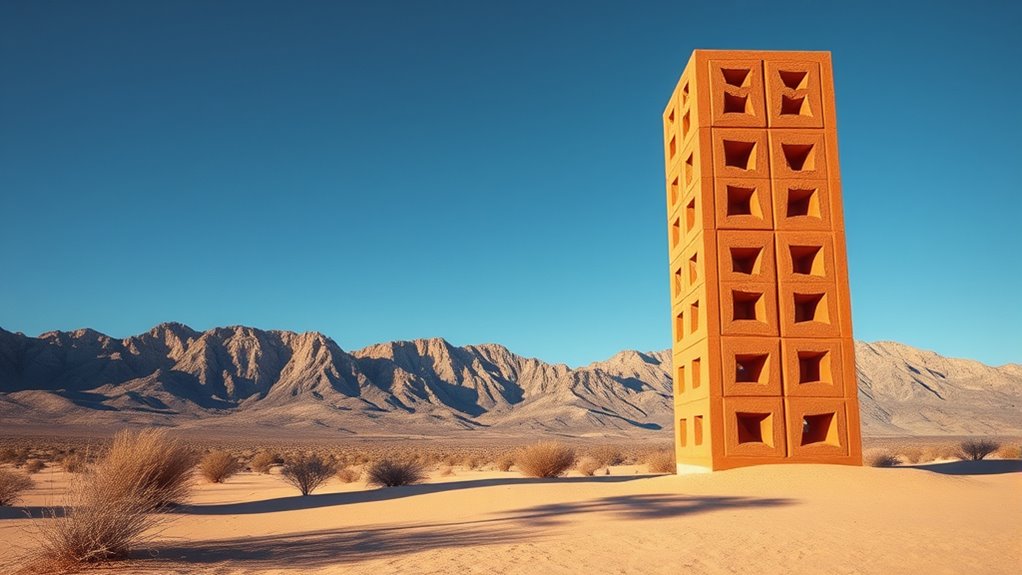
Have you ever wondered how mid-century modern design seamlessly integrates with the stark, expansive landscapes of desert environments? The answer lies in its deliberate use of materials, spatial organization, and orientation that respond directly to the desert’s unique climate and geography. This architectural style emphasizes clean lines, functional forms, and innovative construction techniques, all optimized for the arid milieu. Breezeblocks, also known as concrete or cinder blocks, play a pivotal role in achieving this harmony, offering both structural integrity and aesthetic appeal. Their porous nature allows for effective passive cooling, reducing reliance on mechanical systems, while their geometric simplicity complements the angular forms characteristic of mid-century design.
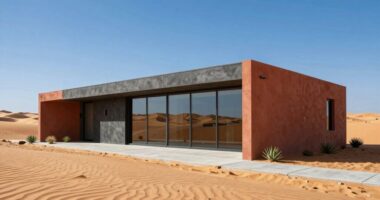
In desert settings, the orientation of a building is critical. By aligning structures along the prevailing breezes, designers facilitate natural ventilation that cools interior spaces without energy-intensive air conditioning. Breezeblocks enhance this process by acting as a buffer against direct sunlight, creating shadow patterns that diminish heat gain during peak daytime hours. Their strategic placement allows for a controlled interplay between light and shadow, emphasizing the geometric clarity that defines mid-century aesthetics. This approach not only improves thermal comfort but also accentuates the stark contrast between solid and void, material and space, which is central to this style.
Furthermore, the integration of breezeblocks extends beyond function into visual language. Their textured surface introduces subtle depth, casting intricate shadows that animate facades throughout the day. This dynamic quality underscores the innovative spirit of mid-century design—embracing new materials and techniques to redefine architectural expression. The modular nature of breezeblocks promotes flexibility, enabling designers to craft perforated walls, screens, or patterned facades that blend privacy with openness. Such features are particularly valuable in desert environments, where privacy is often desired without sacrificing ventilation or views.
The technological advancement represented by breezeblocks exemplifies the era’s emphasis on material innovation. Their mass-produced, modular form allows for cost-effective construction while maintaining durability against harsh desert conditions. In combination with other elements—flat roofs, large windows, open floor plans—breezeblocks contribute to a cohesive architectural language optimized for the desert’s climate. This synthesis of form, function, and material innovation results in structures that are not only resilient but also visually striking, embodying the mid-century ethos of progress and harmony with nature. Additionally, incorporating passive cooling techniques aligns with sustainable design principles, which are increasingly important in contemporary architecture. Ultimately, the clever use of breezeblocks and strategic orientation demonstrates how mid-century desert architecture achieves a seamless dialogue between built environment and landscape.
breezeblocks for architectural facade
As an affiliate, we earn on qualifying purchases.
As an affiliate, we earn on qualifying purchases.
Frequently Asked Questions
What Inspired the Unique Design of Breezeblocks in Desert Architecture?
You’re inspired by the breezeblocks’ perforated design, which optimizes airflow and passive cooling in desert architecture. Their geometric patterns create shadows that reduce heat gain while promoting natural ventilation. This innovative approach combines aesthetic appeal with functional efficiency, harnessing local climate conditions. By integrating these elements, you achieve a sustainable, visually striking structure that minimizes reliance on mechanical cooling, reflecting a thoughtful blend of form and environmental responsiveness.
How Do Breezeblocks Impact Indoor Climate Regulation?
Breezeblocks optimize indoor climate by enhancing natural ventilation and providing shade, reducing reliance on mechanical cooling. Their perforated design allows airflow to circulate freely, maintaining comfortable temperatures during hot days. You’ll notice improved air quality and energy efficiency as breezeblocks facilitate passive cooling strategies. Their structural pattern also diffuses sunlight, minimizing heat gain while creating dynamic light patterns, making your space both comfortable and visually engaging.
Are Breezeblocks Environmentally Sustainable for Desert Homes?
Think of breezeblocks as the iPhone of building materials—innovative yet with environmental trade-offs. They’re generally sustainable for desert homes because they’re made from locally sourced, natural materials and provide excellent thermal mass, reducing cooling needs. However, manufacturing can be energy-intensive, and some use non-biodegradable binders. Overall, if sourced responsibly, breezeblocks can be an eco-friendly choice, balancing durability with sustainability in arid climates.
Which Famous Architects Popularized Mid-Century Desert Design?
You’ll want to look at Richard Neutra and Albert Frey, who pioneered mid-century desert architecture with innovative designs. Neutra’s emphasis on integrating indoor-outdoor living and Frey’s use of modern materials like breezeblocks revolutionized desert homes. Their work combines technical precision with aesthetic innovation, leveraging natural ventilation and durable materials to adapt to harsh climates. Their influential approaches continue to inspire sustainable, stylish desert architecture today.
How Do Breezeblocks Influence Modern Desert-Inspired Interior Decor?
Breezeblocks shape modern desert-inspired interiors by blending functionality with aesthetic innovation. You’ll notice their perforated design enhances natural ventilation, reducing energy use, while creating striking light and shadow effects. Their geometric patterns add texture and visual interest, emphasizing a minimalist yet dynamic style. By integrating breezeblocks, you foster a seamless connection between indoor comfort and outdoor environment, elevating your space’s efficiency and architectural sophistication through timeless, adaptable elements.
passive cooling breeze blocks
As an affiliate, we earn on qualifying purchases.
As an affiliate, we earn on qualifying purchases.
Conclusion
As you step back into the desert’s embrace, the breezeblocks cast rhythmic shadows across sun-baked surfaces, their geometric precision contrasting with swirling dust. The air hums with a subtle energy, blending cooling breezes with the warmth of history. This fusion of mid-century design and desert landscape creates a resilient aesthetic—innovative, precise, timeless. You leave with a vivid imprint of a space where architecture and nature seamlessly converge, shaping an enduring, dynamic horizon.
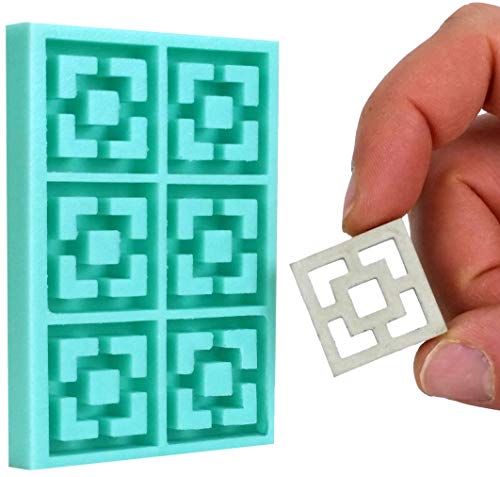
Acacia Grove Mini Breeze Block Mold, Town Square Screen Blocks #397, 1:12 Scale Mid Century Modern, Silicone
PREMIUM QUALITY SILICONE – Extremely flexible, tear resistant, and does not require mold release! Use with temperatures of…
As an affiliate, we earn on qualifying purchases.
As an affiliate, we earn on qualifying purchases.
decorative breezeblocks for home
As an affiliate, we earn on qualifying purchases.
As an affiliate, we earn on qualifying purchases.