
TL;DR
After paint on the dated brown bathroom tiles began cracking and peeling, Lesley Lorimer and her family renovated the room for $21,000. They replaced the tub with a shower, installed white tile and added storage by borrowing space from a bedroom closet.
Lesley Lorimer and her family spent $21,000 renovating their small bungalow bathroom after white acrylic paint applied to its dated brown tiles began to crack and peel. The project replaced the bathtub with a shower, installed new white tiles and added storage, showing how a full renovation can change both the look and function of a room when a temporary surface fix wears out.

Get furniture and decor delivered free with Prime
- Fast, free delivery on millions of items
- Prime Video, Amazon Music and more included
- Member-only deals all year
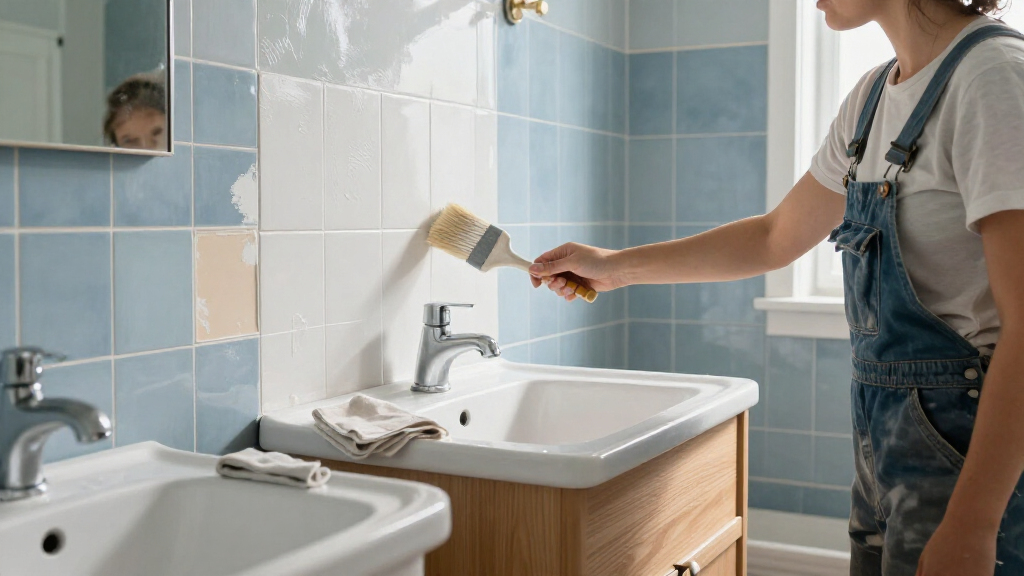
The family moved into the bungalow in 2015, when brown tiles covered about 75% of the bathroom walls. They resurfaced the tiles and tub with white acrylic paint in 2019, but Lorimer said the paint later deteriorated. Once the family decided the room needed to be gutted to remove the tiles, they could reconsider the layout as well as the finish.
The family worked with contractor Keilan Cook on the renovation. They chose white tiles intended to have lasting appeal, with black fixtures and wooden accents. The bathtub became a shower because the family said they rarely used the tub and their children had outgrown baths. Lorimer described the new shower as “spacious, modern, and practical.”
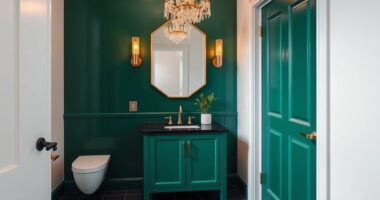
To address the lack of storage, the project included a pocket door and drawers fitted into space taken from the children’s bedroom closets on the other side of a bathroom wall. Cook built a bulkhead to fit prefab drawers. A custom wooden shelf made by local carpenter Zak was designed to match an IKEA ENHET vanity. A medicine-cabinet mirror and blue-green walls painted in PPG’s Frosty Glade completed the update.
Can a bathroom reno make dated wall tiles feel fresh again?
When painted tile cracked and peeled, one family chose a full renovation that changed both the bathroom’s look and how it works.
Why the surface fix ended
White acrylic paint changed the appearance at first, but later cracked and peeled.
- Brown tiles coated with white acrylic paint
- Cracking and peeling prompted a rethink
- Old tile and plaster walls removed
- New white tile installed
A layout built around daily use
The family considered function alongside the new finishes.
Tub became a shower
The family rarely used the tub, and their children had outgrown baths.
Nearby closet space repurposed
A pocket door and fitted drawers made use of space from the children’s bedroom closets.
Bright, coordinated details
White tile, black fixtures, wooden accents, a vanity, and blue-green walls completed the room.
What this example can tell readers
The project shows the choices this household made, not a standard plan or price for other homes.
Consider whether failing tile, limited storage, or an unused tub points to a wider need.
The Lorimers used tile replacement as an opportunity to rethink the room’s function.
The account gives a total but no cost breakdown or general estimate for similar renovations.
A Layout Change Alongside New Finishes
The project illustrates why dated wall tile can be a sign of a broader renovation problem, rather than a purely cosmetic one. In the Lorimers’ bathroom, the painted-over tile eventually cracked and peeled, while the small room had little storage and a bathtub the family rarely used. Replacing the tile gave them the chance to address these issues together instead of repeating a surface treatment.
The more consequential changes were practical: exchanging the tub for a shower suited the family’s stated needs, while the pocket door and drawers made use of tight space. The example does not establish what a similar project would cost elsewhere; its $21,000 budget is specific to this household’s renovation, materials and circumstances.
Products Worth Considering

eufy Baby Monitor E21 with 4K UHD Camera and 5-Inch 720p Screen

Roborock Qrevo 2 Pro Robot Vacuum and Mop with 20,000 Pa Suction

Dyson V8 Cyclone Cordless Vacuum
As an affiliate, we earn on qualifying purchases.
From Painted Tile to Full Renovation
The family’s first intervention came in 2019, when they painted the tiles and bathtub with white acrylic paint rather than removing them. The treatment initially changed the appearance without requiring a full gut renovation. According to Lorimer, the coating later cracked and peeled uncontrollably, prompting the family to pursue a more permanent replacement.
Lorimer said the prospect of removing the tile and plaster walls opened up other options for the layout. The family also took time to save for the full project, rather than treating the $21,000 cost as an immediate expense. She said that regular contributions to their savings accumulated over time and that reaching the budget goal felt like a major accomplishment.
“We almost never use our tub, and our kids had outgrown baths, so it made sense to replace the tub with a shower.”
— Lesley Lorimer
Costs and Durability Beyond This Home
The account gives the family’s total renovation budget but does not break down costs by labor, materials or individual features. It also does not specify the renovation’s duration, the exact tile products used, or how long the new finishes have been in place. The report describes the outcome from the family’s perspective; it does not provide independent measurements of added storage or a general estimate for comparable projects.
Whether a tub-to-shower conversion makes sense depends on a household’s needs and the bathroom’s layout. The article does not discuss resale effects, local building requirements or whether the same approach would be possible in other homes.
The Family Is Living With the Changes
The renovation is presented as a completed project, with no further work or follow-up milestone announced. Lorimer said the features work well together and that the room has become a more practical and enjoyable space for the family. The account offers no later update on how the tile, shower or storage have performed over time.
For readers considering a similar change, the example points to the decisions this family made: whether the tub still serves a purpose, whether tile failure calls for removal rather than another coating, and whether nearby space can support storage. The reported $21,000 total should be treated as this project’s budget, not as a quoted price for other bathrooms.
Source: rss
Key Questions
How much did the bathroom renovation cost?
The Lorimer family reported a total renovation budget of $21,000. The account does not provide a detailed cost breakdown, and the figure is not a general estimate for other projects.
What happened to the old bathroom tiles?
The family had coated the brown tiles with white acrylic paint in 2019. After the paint began cracking and peeling, they gutted the room and replaced the tiles.
Why did the family replace the bathtub with a shower?
Lorimer said the family rarely used the tub and their children had outgrown baths. They chose a shower they described as more practical for their household.
How did the renovation add storage?
A pocket door freed floor space, and the contractor fitted prefab drawers into space borrowed from the children’s bedroom closets beside the bathroom. The family also added a vanity and a custom wooden shelf.
Source: apartmenttherapy.com