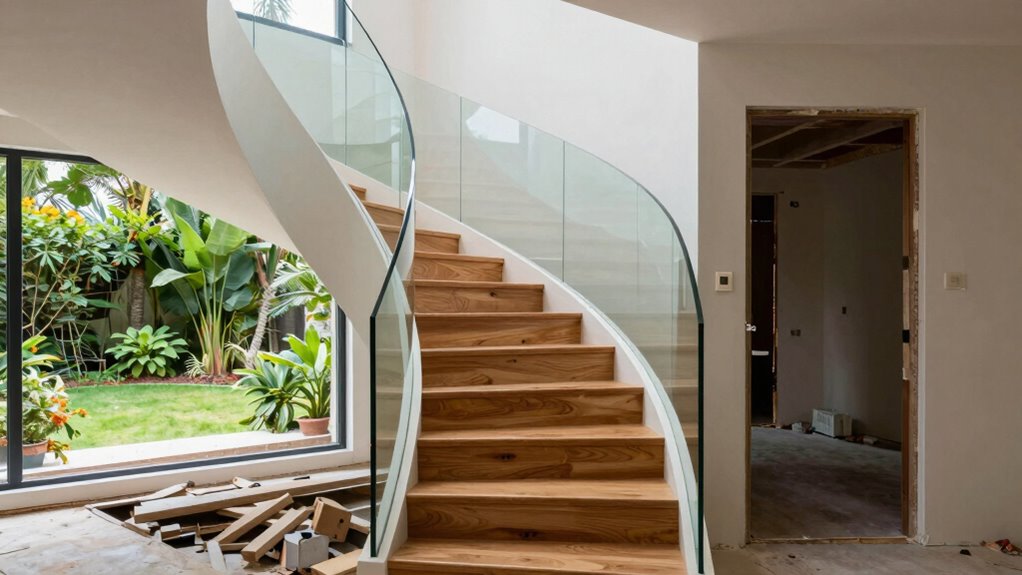

Rushing through your new build’s design or purchase often leads to costly mistakes and future regrets. Quick decisions driven by excitement can cause you to overlook essential features, quality materials, or long-term needs. Choosing a smaller kitchen or fewer bathrooms for short-term savings may seem smart, but it can limit your home’s practicality later. If you keep going, you’ll discover how to avoid these pitfalls and make smarter, lasting choices for your new home.
Listen free for 30 days with Audible
Thousands of audiobooks and originals — cancel anytime.
As an affiliate, we earn on qualifying purchases.
Key Takeaways
- Rushing decisions to move in quickly often causes overlooked features and costly future retrofits.
- Prioritizing short-term savings can limit home functionality as needs evolve.
- Choosing low-quality materials under pressure leads to higher repair costs later.
- Skipping thorough planning increases the risk of mistakes and dissatisfaction long-term.
- Quick decisions in new builds often neglect long-term needs, resulting in regret and added expenses.
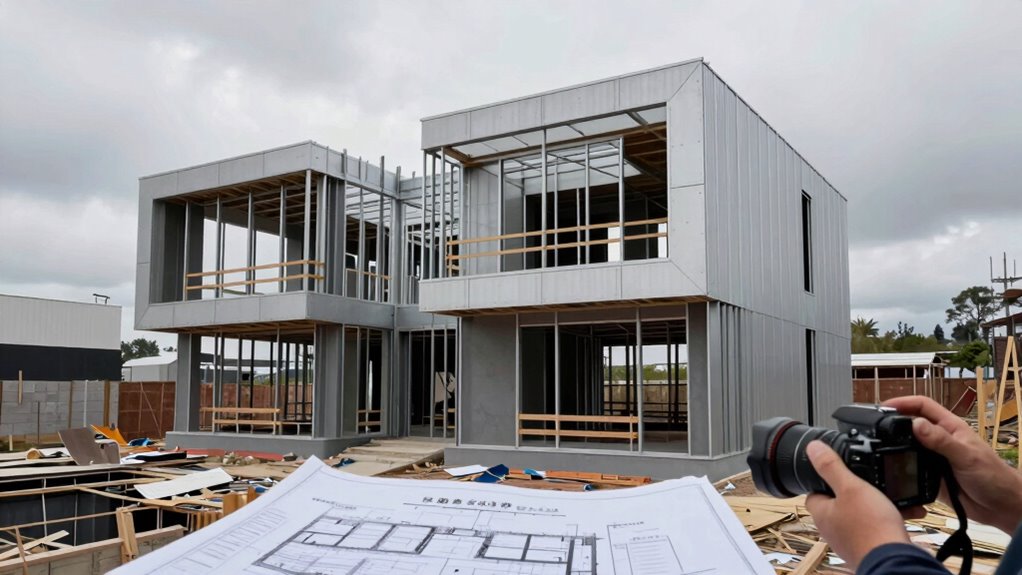
Many homebuyers fall for a tempting shortcut during new builds: rushing to finalize a design or purchase decision without fully considering future needs. This quick decision-making often comes from excitement or a desire to move in swiftly, but it can lead to costly pitfalls down the line. When you prioritize speed over thorough planning, you risk overlooking essential features or structural elements that might not seem urgent now but will be vital later. These hurried choices can mean paying more to retrofit or renovate your home later, which defeats the purpose of rushing through initial decisions.
Rushing decisions in new builds can lead to costly mistakes and overlooked future needs. Take your time. Plan wisely.
The trap is that in the pursuit of getting things done quickly, you might ignore indispensable details about your lifestyle or long-term plans. For example, choosing a smaller kitchen or fewer bathrooms just because it fits your current budget or design preferences can seem like a smart move at the moment. But as your needs evolve—say, you start working from home more often or have a growing family—you’ll find those short-term savings turn into major inconveniences. Such quick decisions often lead to regrets and additional expenses, as you realize you need to expand or remodel spaces that weren’t initially designed for your future needs. Incorporating long-term planning into your decision process can help you avoid these issues.
Another common mistake is rushing through the selection of finishes, fixtures, or layouts without considering how they’ll impact your daily life or maintenance costs over time. Making snap judgments during the design phase might save you a little time now, but it can also lock you into choices that aren’t ideal. For instance, opting for cheaper, lower-quality materials to save money initially may seem like a good idea, but it can result in higher repair or replacement costs later. Incorporating sustainable living practices and eco-friendly materials from the start can help you avoid some of these costly pitfalls and promote a healthier home environment. These are the kinds of costly pitfalls that often come from quick decisions made under pressure or without enough research.
home building planning checklist
As an affiliate, we earn on qualifying purchases.
As an affiliate, we earn on qualifying purchases.
Frequently Asked Questions
How Can I Identify if a Build Shortcut Is Risky Early On?
To identify if a build shortcut is risky early on, focus on build flexibility and skill assessment. If the shortcut limits your options or forces you into a narrow strategy, it’s likely risky. Evaluate your current skills and whether the shortcut aligns with your strengths. If it feels too restrictive or requires skills you’re not confident in, it’s best to reconsider. Staying adaptable and honest about your abilities helps avoid regret later.
What Are the Common Signs of Regret After Using a Build Shortcut?
Imagine planting a seed that looks promising but quickly withers—that’s how regret feels after rushing into a build shortcut. You’ll notice a lack of build consistency, making your progress unstable. Skills might develop unevenly, leaving gaps in your knowledge. If your plan feels rushed or unsustainable, it’s a sign you didn’t invest enough in proper skill development. Recognizing these signs early helps you avoid long-term regret.
Are There Alternative Strategies to Quick Building Without Regrets?
Yes, you can avoid regrets by practicing risk assessment and decision balance. Take time to evaluate the potential consequences of quick building strategies before acting. Consider whether the shortcut aligns with your goals and if it’s sustainable long-term. By weighing risks against benefits, you make more informed choices that prevent future regret. Patience and thoughtful planning often lead to better results than rushing through builds without considering the bigger picture.
How Does Team Collaboration Impact the Success of Build Shortcuts?
Think of team collaboration as steering a boat through choppy waters; your crew’s harmony determines your success. When you foster team synergy and prioritize communication clarity, you navigate build shortcuts smoothly, avoiding costly mistakes. Clear dialogue guarantees everyone’s on the same page, reducing misunderstandings. This collective effort accelerates progress, minimizes regrets, and helps you reach your goals faster, turning potential pitfalls into opportunities for seamless, efficient builds.
What Tools or Resources Help Avoid Regret With Build Shortcuts?
To avoid regret with build shortcuts, you should leverage tools that aid in resource allocation and risk assessment. Use project management software to allocate resources effectively, ensuring you don’t overextend or underfund critical tasks. Employ risk assessment tools to identify potential pitfalls early, allowing you to make informed decisions. Regularly review progress and adjust plans accordingly, minimizing surprises and ensuring your shortcut leads to a successful build rather than regret.
Conclusion
So, next time you’re tempted by that shiny new build shortcut, remember: quick fixes often come with a hefty price tag—regret. You’re not just building structures; you’re constructing a future full of “what-ifs” and “if-onlys.” Maybe, just maybe, patience and proper planning are the real shortcuts to lasting satisfaction. After all, who needs instant gratification when you can have a lifetime of “what could’ve been”? Happy building—or, better yet, thoughtful planning.
Flea & tick season Picks
flea and tick prevention
As an affiliate, we earn on qualifying purchases.