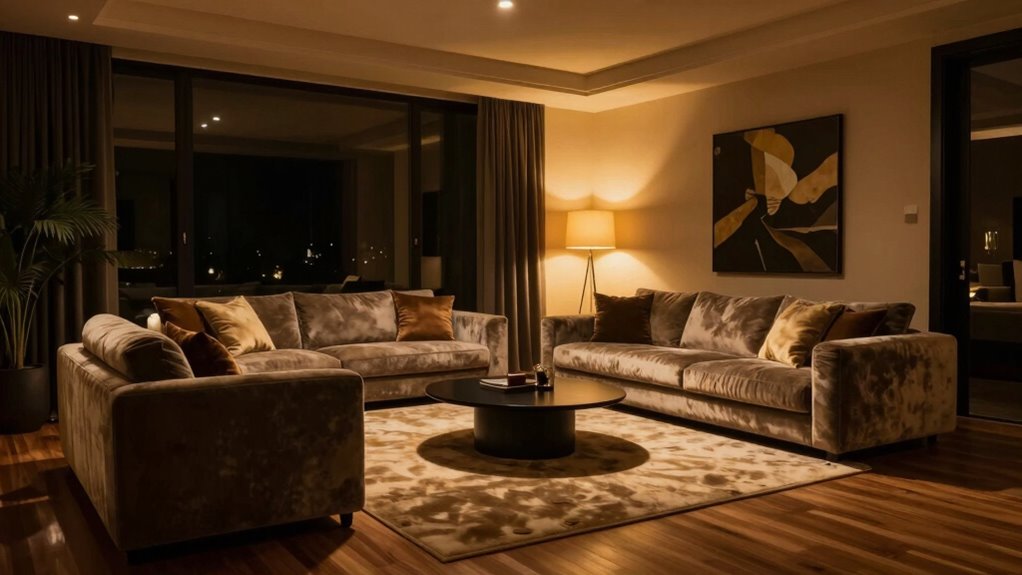

Even a beautiful lighting plan can feel dark if your bulbs aren’t bright enough or your fixtures aren’t placed properly. Choosing bulbs with higher lumens and appropriate wattage, especially LED options, helps maximize brightness. Proper fixture placement near corners and at different heights prevents shadows and uneven lighting. Using a layering approach with ambient, task, and accent lights makes spaces feel lively and well-lit. Keep exploring to discover more ways to brighten and improve your space.
Key Takeaways
- Poor fixture placement and lack of layering create uneven light distribution, making a space feel dark despite a good plan.
- Using bulbs with insufficient lumens or inappropriate color temperature reduces perceived brightness.
- Overly warm color temperatures (around 2700K) can dull the ambiance, making spaces feel dim.
- Inadequate combination of ambient, task, and accent lighting prevents a balanced, well-lit environment.
- Neglecting proper fixture styles and placement results in shadows and dark corners, diminishing overall brightness.

LED Light Bulbs 100 Watt Equivalent 1600 Lumens, A19 14W Super Bright Daylight White 5000K LED Bulbs, Standard E26 Medium Screw Light Bulbs Non-Dimmable, 25000+Hrs Lifespan, No-Flicker, 12-Pack
1600LM Super Bright 5000K Daylight White-Our 100 watt equivalent led light bulbs emit 1600lumens ultra bright lighting with…
As an affiliate, we earn on qualifying purchases.
As an affiliate, we earn on qualifying purchases.
Why Your Lighting Feels Dim and How to Fix It

If your space feels dim despite having lights installed, the problem often lies in how the lighting is designed or used. One key factor is the color temperature; choosing the right tone can make a room feel brighter or more inviting. For instance, warm tones (around 2700K) create a cozy ambiance but may seem dull in work areas. Cooler temperatures (around 4000K to 5000K) tend to brighten the space and enhance visibility. Additionally, fixture style impacts light distribution. Flush mounts or recessed fixtures distribute light evenly, reducing shadows and dark corners. Selecting the right combination of color temperature and fixture style ensures your lighting setup maximizes brightness and complements your space effectively. Proper lighting design principles can significantly improve the overall illumination, especially when considering light fixture placement for optimal coverage. Implementing lighting layering techniques, such as combining ambient, task, and accent lighting, can also make a substantial difference. Understanding light distribution helps in achieving uniform brightness throughout the space, and applying these lighting principles can help correct common issues like uneven illumination. Adjusting these elements can transform a dim room into a well-lit, welcoming environment.
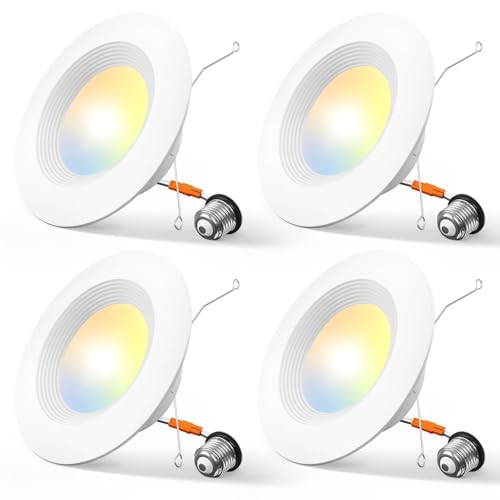
Amico 4 Pack 5/6 inch 5CCT LED Recessed Lighting, Dimmable, 12.5W=100W, 950LM, 2700K/3000K/4000K/5000K/6000K Selectable, Retrofit Can Lights with Baffle Trim, IC Rated – ETL & FCC, White
Eye protection: The brightness of the can lights can be smoothly adjusted from 10% to 100%, so you…
As an affiliate, we earn on qualifying purchases.
As an affiliate, we earn on qualifying purchases.
Choosing Bright Bulbs and Correct Wattage for Your Space
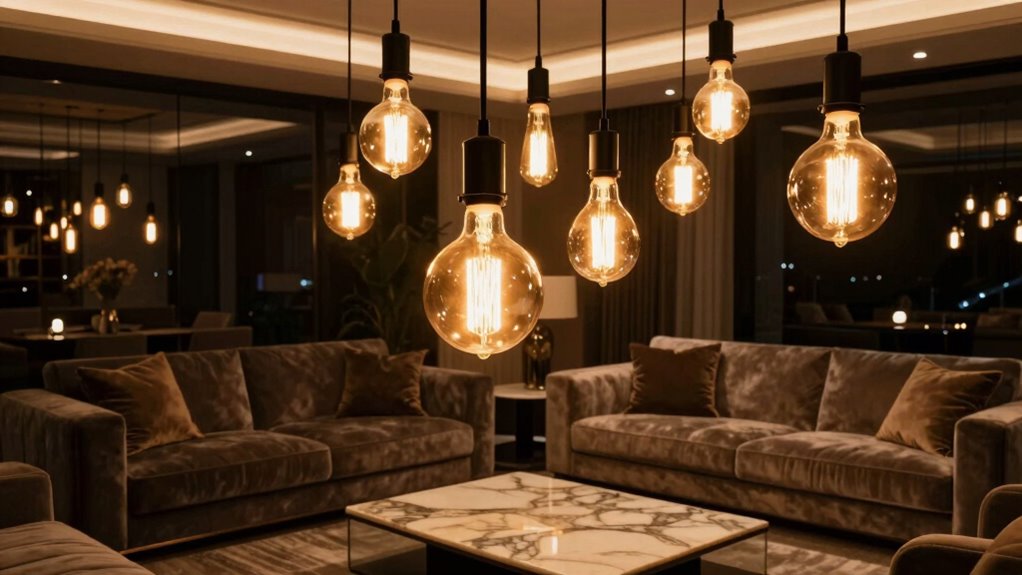
Choosing the right bulbs and wattage is essential for achieving a brighter, more inviting space. Your bulb selection directly impacts how much light your room produces. Opt for bulbs with higher lumens instead of focusing solely on wattage, as wattage indicates energy use, not brightness. Follow wattage guidelines to avoid overheating fixtures or underpowering your space. For example, if your fixture recommends a 60-watt bulb, choose a LED bulb with equivalent lumens to get the same brightness while consuming less energy. Consider using bulbs with a higher color temperature for a brighter, more natural light. Proper bulb selection and wattage choices ensure your lighting feels warm and welcoming, rather than dull or dim. Additionally, selecting bulbs with appropriate lighting quality can greatly enhance the ambiance and overall feel of your space. Incorporating smart lighting controls can further optimize your lighting setup for comfort and energy efficiency. Understanding energy-efficient lighting principles can also help you make sustainable choices that reduce your environmental impact. Being aware of lighting placement can ensure the light is evenly distributed, preventing dark spots and shadows. Moreover, choosing the right fixture type can help maximize the effectiveness of your lighting plan.

Wireless Dimmer Switch, Remote Light Switch and Receiver kit, Work with Alexa Voice Control, Smart Wall Switch Lighting Fixture for Dimmable LED/CFL INC/HAL Bulb of Ceiling Pendant Lamps, ETL Listed
WIRELESS REMOTE CONTROL: Notice: NEUTRAL WIRE IS REQUIRED! The signals of switch can transmit through walls and obstacles…
As an affiliate, we earn on qualifying purchases.
As an affiliate, we earn on qualifying purchases.
How to Properly Place Fixtures to Maximize Brightness
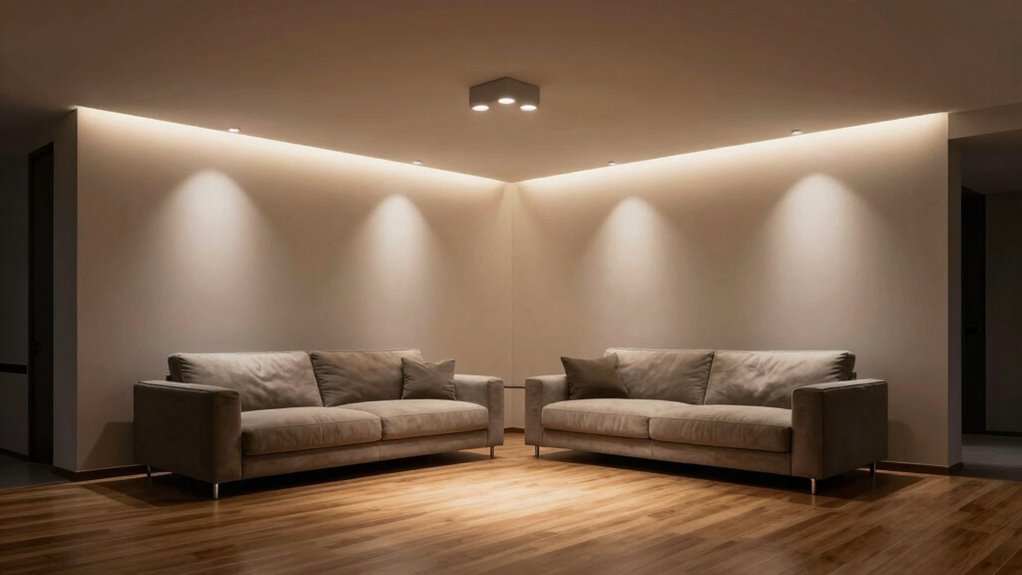
To maximize brightness, you need to strategically place your fixtures throughout the room, guaranteeing even light distribution. Proper fixture placement helps eliminate shadows and prevents dark spots. Position lights near corners and high-traffic areas, aiming for balanced coverage. Use multiple fixtures at different heights to avoid harsh contrasts and shadow elimination issues. Consider the table below for effective placement:
| Fixture Location | Purpose |
|---|---|
| Overhead ceiling | General illumination |
| Wall sconces | Reduce shadow areas |
| Floor lamps | Fill darker corners |
This setup ensures consistent brightness and minimizes shadow creation, making your space feel brighter and more inviting. Proper fixture placement is key to achieving a well-lit, vibrant environment. Additionally, understanding art care principles can help you select fixtures that complement your artwork and protect it from damage. Incorporating smart lighting controls can further enhance your lighting strategy by allowing you to adjust brightness levels and schedules for optimal ambiance and energy efficiency. Proper fixture placement also takes into account lighting uniformity, which is essential for creating a balanced and comfortable space. Ensuring proper spacing between fixtures can significantly improve overall light distribution and reduce dark spots. Paying attention to fixture height can also influence how evenly light spreads across the room.

Wood Wall Sconce Rubberwood Cube E27 Base with Up Down Side Lighting Layered Nordic Modern Accent for Bedroom Hallway Living Room Home Use
Natural Rubber Wood Design: This modern wall sconce features natural rubber wood with carved side slots creating a…
As an affiliate, we earn on qualifying purchases.
As an affiliate, we earn on qualifying purchases.
Lighting Layering: Are You Using Enough Brightness?

Proper fixture placement sets the foundation for good lighting, but it’s equally important to layer different light sources to achieve the right brightness levels. Without sufficient lighting contrast, your room can feel flat and underwhelming. Use a mix of ambient, task, and accent lighting to add depth and dimension. Don’t rely on just one fixture style; incorporate various styles to create visual interest and prevent dullness. Adjust the brightness of each layer to ensure they work together harmoniously, enhancing the overall illumination. If the layers aren’t bright enough, your space can feel dark despite a well-planned layout. Color temperature adjustments can further optimize your overall brightness and ambiance, ensuring each layer complements the others effectively. By intentionally layering different lighting levels and fixture styles, you ensure your space feels lively, inviting, and well-lit. Incorporating lighting layering techniques can further optimize your overall brightness and ambiance.
Simple Tips to Brighten Your Room and Improve Its Ambience

Brightening your room can instantly transform its atmosphere, making it feel more inviting and lively. Start by adding decorative fixtures like table lamps or wall sconces to distribute light evenly. These fixtures not only brighten the space but also enhance its style. Adjust the color temperature of your bulbs; choosing warmer tones creates a cozy feel, while cooler tones make the room appear brighter and more energetic. Incorporate a mix of ambient, task, and accent lighting to layer your illumination effectively. Keep bulbs clean and replace any dim or burnt-out ones promptly. Small changes, like swapping out fixtures or tweaking color temperatures, can dramatically improve your room’s brightness and ambiance without a complete overhaul. Smart lighting technology can further optimize your lighting setup for both convenience and energy efficiency. Additionally, selecting appropriate fixture placement ensures even light distribution and minimizes shadows, making your space feel more open and welcoming. Proper lighting design enhances overall comfort and can significantly impact how your room feels during different times of day. Paying attention to lighting controls allows you to adjust brightness levels easily and tailor the ambiance to suit your mood or activity. To achieve the best results, consider consulting lighting load‑planning tools to avoid overloading fixtures and ensure safety.
Frequently Asked Questions
How Does Natural Light Affect My Artificial Lighting Choices?
Natural light crucially influences your artificial lighting choices by highlighting window placement and outdoor shading. You’ll want to maximize daylight through well-positioned windows, reducing reliance on artificial light during the day. Outdoor shading, like curtains or blinds, helps control glare and heat, making your space more comfortable and reducing the need for artificial lighting. Adjusting these elements ensures your lighting plan complements natural light, creating a balanced, inviting atmosphere.
Can Color Temperature Influence the Perceived Brightness of a Room?
While color temperature can subtly influence how bright your space feels, it’s more about mood setting than actual illumination. Warmer light creates a cozy, inviting atmosphere, making a room seem softer and less stark, whereas cooler temperature lighting can make a space feel more vibrant and alert. Choosing the right color temperature helps you craft the desired ambiance, but don’t expect it to dramatically change the room’s brightness.
What Role Do Reflective Surfaces Play in Enhancing Lighting?
Reflective surfaces considerably enhance your room’s lighting by bouncing light around. You should strategically place mirrors to maximize this effect, especially opposite light sources. Opt for surface finishes like glossy or semi-glossy paint, polished tiles, or glass that reflect more light. These surfaces help distribute illumination evenly, making your space appear brighter and more inviting without adding extra fixtures, ultimately improving your lighting plan’s overall effect.
How Do Ceiling Height and Room Size Impact Lighting Effectiveness?
Think of your room as a stage; ceiling height and room size set the scene. Higher ceilings and larger room volumes can make lighting feel distant or insufficient if not appropriately planned. You need to use a balanced ceiling proportion, layering different light sources, to fill the space effectively. Properly scaled lighting ensures that your room feels bright and inviting, no matter its size or height.
Are Energy-Efficient Bulbs as Bright as Traditional Incandescent Bulbs?
Energy-efficient bulbs, like LEDs, can be just as bright as traditional incandescent bulbs, especially when you choose high-lumen options. They also offer long LED longevity, meaning you won’t need to replace them often. Plus, many LEDs are dimming compatible, giving you control over brightness levels. So, you can enjoy vibrant lighting while saving energy, all without sacrificing brightness or versatility in your space.
Conclusion
Imagine transforming your dimly lit living room into a welcoming space. By choosing the right bulbs, strategically placing fixtures, and layering your lighting, you can create the perfect brightness. For example, a homeowner replaced outdated bulbs and added a few well-placed lamps, instantly brightening their space and enhancing the ambiance. Remember, thoughtful lighting isn’t just about brightness—it’s about creating an inviting atmosphere where everyone feels comfortable and inspired.