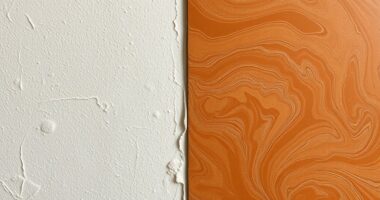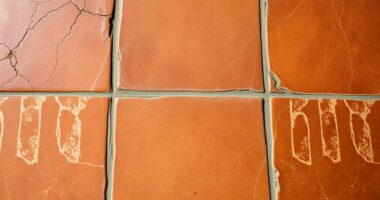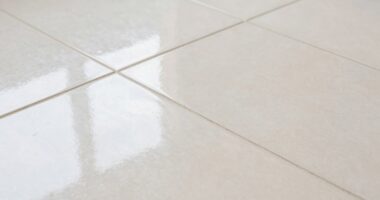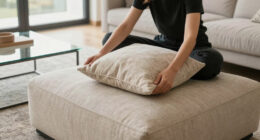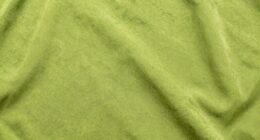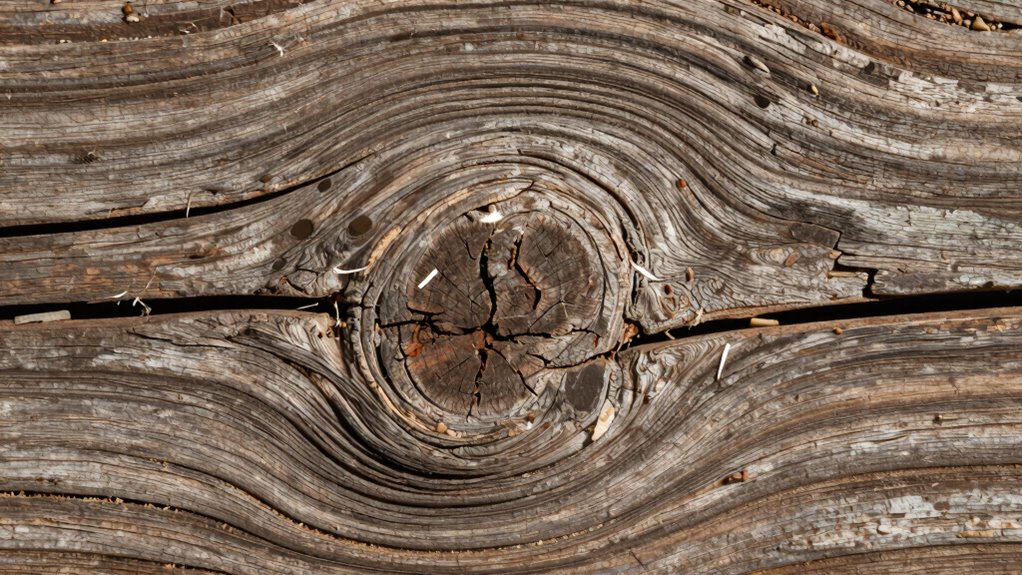
Before you understand why, you notice surface textures like smoothness or roughness instinctively. Your sense of touch quickly picks up on details such as ridges, bumps, or softness, shaping your first impressions. These tactile cues communicate qualities like durability, comfort, or quality without you realizing it. Your subconscious interprets these subtle textures instantly, influencing how you feel about an object or environment. If you keep exploring, you’ll uncover how these surface details impact perception on deeper levels.
Key Takeaways
- People subconsciously perceive surface textures through tactile cues before consciously understanding their significance.
- Surface textures instantly communicate quality, durability, or emotional cues without verbal recognition.
- Tactile sensations influence initial impressions and trust in objects or environments.
- Variations in surface roughness or smoothness evoke automatic emotional and functional responses.
- The subconscious detection of surface details shapes preferences and judgments before conscious awareness.
Have you ever noticed how the surface texture of an object can tell you so much about its purpose and quality? It’s a subtle yet powerful aspect of sensory perception, often registering before you consciously realize why. When you run your fingers over a surface, your tactile characteristics kick in, giving you immediate clues about what you’re touching. Smooth, rough, ridged, or bumpy—these textures communicate intent, durability, and even emotional cues. You might not immediately think about it, but your sense of touch is constantly processing these details, shaping your overall impression without a word spoken.
The way an object feels under your fingertips influences your perception of its quality. For instance, a finely textured ceramic mug might feel polished and refined, suggesting craftsmanship and care. Conversely, a plastic utensil with a rougher surface might seem cheaper or less durable. These tactile characteristics work on an intuitive level, guiding your expectations before you even examine the item closely. Your brain quickly interprets these sensory cues, forming an impression rooted in the surface’s texture. It’s almost as if your tactile perception acts as a silent judge, evaluating whether something is well-made or flimsy, inviting you to trust or distrust what’s in your hand.
Beyond just quality, surface textures evoke emotional responses and influence behavior. A soft, velvety fabric can feel inviting, prompting comfort and warmth, while a hard, cold surface may evoke a sense of sterility or detachment. These subtle signals are often processed subconsciously, yet they shape your overall experience. Certain textures also serve functional purposes—think of a non-slip grip on a tool or the textured handle of a sports racket, designed to enhance tactile feedback and control. These tactile characteristics aren’t just about feel; they’re about how you interact with the object and how it performs. Recognizing the impact of texture on perception can deepen your understanding of design and material choices, especially in creating environments that foster specific emotional responses.
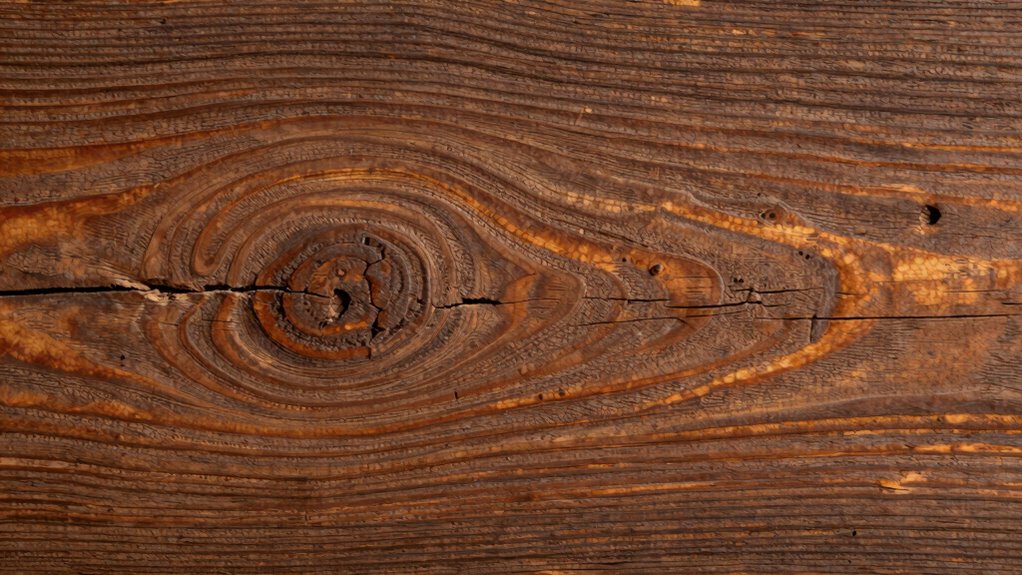
Most importantly, these surface details often attract your attention before you understand why. You might find yourself drawn to the smoothness of a marble countertop or the roughness of a weathered wood surface, sensing something about the material that appeals to your subconscious preferences. It’s a silent language of design and function conveyed through texture. Your sensory perception is finely tuned to pick up on these cues, allowing you to make instant judgments that influence your reactions. Additionally, surface texture diversity plays a crucial role in how different environments are perceived and experienced. Recognizing these nuanced details can enhance your appreciation for how material qualities shape your daily surroundings. In the end, the surface texture details are more than just physical qualities—they’re a fundamental part of how you connect with the objects around you.

Miicol Ceramic Coffee Mug, 16 oz Large Coffee Cup, Tea Mug with Handle, Flat Bottom Mug for Men, Women, Office, Microwave and Dishwasher Safe, Multi-Color, Sun Orange
Premium Ceramics: The new cup features a vibrant sun orange color, finished with a smooth, glossy glaze, crafted…
As an affiliate, we earn on qualifying purchases.
As an affiliate, we earn on qualifying purchases.
Frequently Asked Questions
How Does Surface Texture Influence First Impressions?
Surface texture influences your first impressions through tactile perception and visual impact. When you see or touch a surface, its texture subconsciously communicates quality, durability, and style. Smooth, polished textures suggest sophistication, while rough or uneven ones can seem more casual or rustic. Your brain quickly processes these details, shaping your initial feelings about an object or environment without you even realizing it, making surface texture a powerful impression-maker.
Can Surface Textures Affect Emotional Responses?
Imagine touching a rough stone and feeling grounded; surface textures can evoke strong emotional responses. When you encounter tactile comfort, smoothness may bring calm, while visual complexity in textures sparks curiosity or excitement. These sensations act as symbols, influencing your mood and reactions subconsciously. By engaging your senses, surface textures shape your feelings, creating a deep connection that goes beyond what you consciously recognize.
Are Certain Textures Universally More Appealing?
Certain textures are universally more appealing because of tactile diversity and sensory engagement. You’re naturally drawn to smooth, soft surfaces like silk or plush fabrics because they evoke comfort and calmness. Conversely, rough or unpredictable textures can stimulate curiosity or excitement. Your preferences are influenced by these sensory experiences, which vary based on individual background, but some textures tend to evoke positive responses across cultures due to their universal tactile qualities.
How Does Lighting Change Perception of Surface Textures?
Lighting can totally transform how you perceive surface textures—it’s like a magic wand that reveals hidden details. When light hits a surface, it influences material perception by highlighting or shadowing its features, making textures appear rough, smooth, shiny, or matte. Good lighting enhances light reflection, which can make textures seem more vibrant or subdued. So, the right illumination can turn a dull surface into a stunning visual experience.
Do Cultural Differences Alter Texture Preferences?
Yes, cultural differences influence texture preferences because of varying texture symbolism and cultural tactile preferences. You might find smooth surfaces appealing in some cultures, symbolizing purity or modernity, while others prefer textured materials for tradition or symbolism. These preferences shape how you perceive and choose textures, often reflecting deeper cultural meanings. Understanding these cultural tactile preferences helps you appreciate the diverse ways people connect with surface textures worldwide.

Aobrill Rubber Grip Tape, Non Slip Tape for Handles, Enhanced Textured Super Strong Adhesive for Secure Hold & Friction-Ideal for Tools, Gadgets, DIY & More (Black, 1In x 10Ft)
1. Super strong stickiness and enhanced gripping effect: The unique texture design and strong adhesion provide a good…
As an affiliate, we earn on qualifying purchases.
As an affiliate, we earn on qualifying purchases.
Conclusion
You notice surface textures before you understand their significance, before you grasp their story, before you appreciate their meaning. You feel their roughness, smoothness, warmth, or coolness without knowing why. You’re drawn to the details that tell you more than words ever could, that speak directly to your senses and instincts. In recognizing these textures, you connect with the world around you, and in doing so, you discover a language that’s felt before it’s understood.

H.VERSAILTEX Stretch Velvet Sofa Covers for 3 Cushion Couch Covers Sofa Slipcovers Furniture Protector Soft with Non Slip Elastic Bottom, Crafted from Thick Comfy Rich Velour (Sofa 72"-90", Gray)
REAL VELVET: Velvet!Velvet!Velvet! This premium sofa slipcover is crafted from luxurious velvet plush fabric, feature high stretchy and…
As an affiliate, we earn on qualifying purchases.
As an affiliate, we earn on qualifying purchases.

Soon Global Acoustical Wall Panels, 6-Piece 23.62 X 23.62 Inches Art Acoustic Panels, Decorative Acoustic Panels, Acoustic Wall Panels, Sound Absorbing Wall Art, Arcadian Vortex
Superior Acoustic Performance–Crafted from high-density polyester fiber, these groove-patterned panels are engineered for superior sound absorption. The linear…
As an affiliate, we earn on qualifying purchases.
As an affiliate, we earn on qualifying purchases.