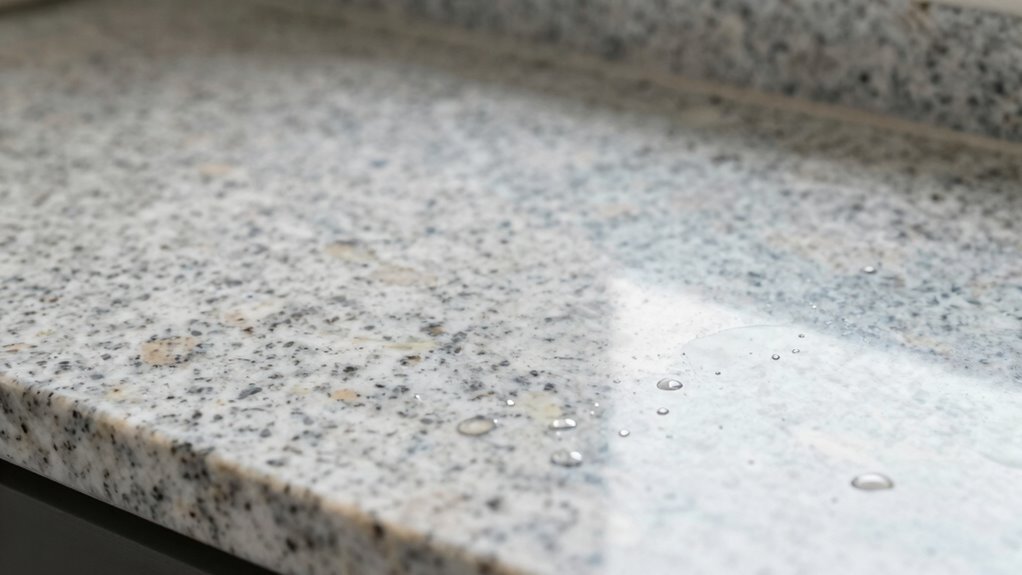
Many homeowners believe that sealing their natural stone countertops provides permanent protection, but this isn’t true. Overusing or applying low-quality sealers can trap moisture, cause discoloration, or even damage the surface over time. Sealers don’t make your counters completely waterproof or stain-proof, and improper application can silently harm them. To avoid these pitfalls and keep your countertops looking their best, it’s important to understand the facts—keep exploring to learn more.
Key Takeaways
- Overapplying sealers can trap moisture, causing discoloration, cloudiness, or surface damage over time.
- Believing sealers make countertops fully waterproof may lead to neglect of proper maintenance practices.
- Using low-quality or incompatible sealers increases the risk of surface deterioration and premature failure.
- Relying solely on sealing without understanding surface porosity can result in inadequate protection or damage.
- Assuming sealers last forever encourages neglect, leading to unnoticed deterioration and costly repairs.

Granite Gold Water-Based Sealer Spray Protection for Granite, Marble, Travertine, Natural Stone Countertops, 24 Fluid Ounces, 1-Pack
Granite Gold Sealer creates a barrier providing maximum surface protection against stains from oil, water, coffee, wine, and…
As an affiliate, we earn on qualifying purchases.
As an affiliate, we earn on qualifying purchases.
Do Stone Sealers Really Protect Your Countertops?
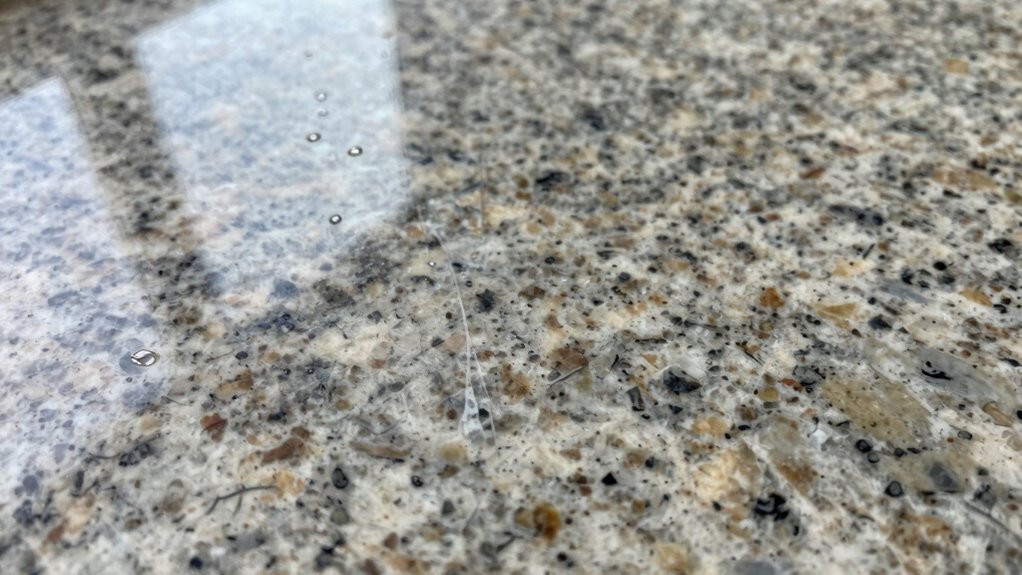
Many homeowners wonder if stone sealers truly protect their countertops. The truth is, sealer effectiveness largely depends on the natural stone’s porosity. If your stone is highly porous, a good-quality sealer can considerably reduce staining and moisture absorption. However, sealers don’t make your countertops completely stain-proof; they simply create a barrier that slows down penetration. Less porous stones may need less frequent sealing, but they still benefit from regular maintenance. Keep in mind that not all sealers are equally effective—some may wear off faster or fail to penetrate deeply enough. To maximize protection, choose a sealer suited to your stone type and follow the manufacturer’s instructions carefully. Proper sealing can extend your countertop’s lifespan and keep it looking beautiful longer. Additionally, understanding the sealing process can help you select the best products and techniques for your specific stone, including application methods that ensure even coverage and durability. Regular resealing and using appropriate cleaning products also play vital roles in maintaining the sealant’s effectiveness over time. Being aware of sealant compatibility ensures you select products that work well with your stone and won’t cause damage. Using professional sealing services can also help achieve a more consistent and thorough application, especially for large or complex surfaces.

Weiman Granite & Stone Sealer Spray – Protects Kitchen Countertops, Sinks, Showers, Vanities & Floors From Stains – For Granite, Quartz, Marble, Tile, Limestone, Slate – Water Based, 24 oz
SEAL & PROTECT YOUR VALUED STONE SURFACES: Keep your countertops and natural stone surfaces looking like new by…
As an affiliate, we earn on qualifying purchases.
As an affiliate, we earn on qualifying purchases.
Common Myths About Sealing Natural Stone
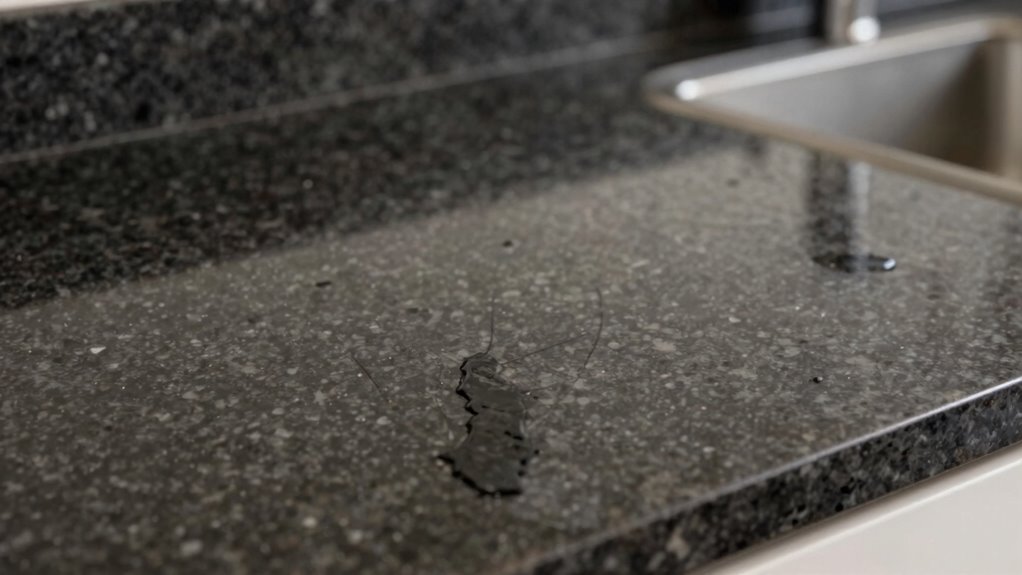
There are several common myths about sealing natural stone that can lead homeowners to misunderstand its true benefits and limitations. One widespread misconception is that a sealer lasts forever. In reality, sealer longevity varies based on use and type, often requiring reapplication every few years. Proper application techniques are essential for maximizing the durability and effectiveness of the sealant. Another myth is that sealing blocks surface breathability, but many sealers actually reduce moisture transfer, risking damage. Some believe sealing makes a surface completely waterproof, which isn’t true; it mainly helps resist stains. Additionally, environmental conditions like humidity and temperature can significantly influence how well the sealant performs over time, making proper sealing conditions crucial. Understanding the sealant’s chemistry can help homeowners choose the right products for their specific needs. Proper sealing also depends on environmental conditions, which can influence how well the sealant performs over time. Here’s a quick look:
| Myth | Fact | Impact on Care |
|---|---|---|
| Sealer lasts forever | Needs periodic reapplication | Regular maintenance required |
| Sealing blocks breathability | Many sealers reduce moisture transfer | Can trap moisture if overused |
| Sealing makes surfaces waterproof | Mainly stain-resistant, not waterproof | Proper sealing extends lifespan |
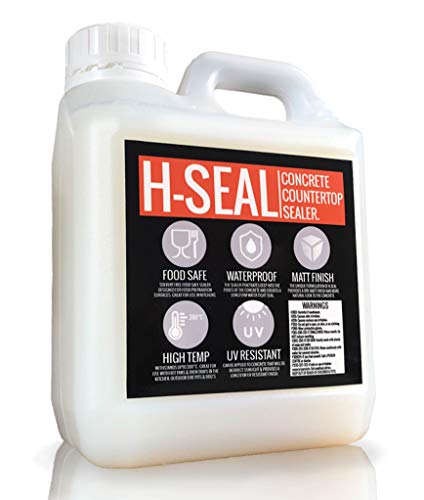
H-SEAL Concrete COUNTERTOP/WORKTOP Sealer | Food Safe/Grade | High Temp | Matte Finish | Waterproof | UV Resistant (1 Liter)
OVERVIEW: H-Seal is a food safe, solvent free, water-based concrete sealer designed for food preparation surfaces, bathrooms and…
As an affiliate, we earn on qualifying purchases.
As an affiliate, we earn on qualifying purchases.
How Sealing Can Damage Your Countertops (And How to Spot It)
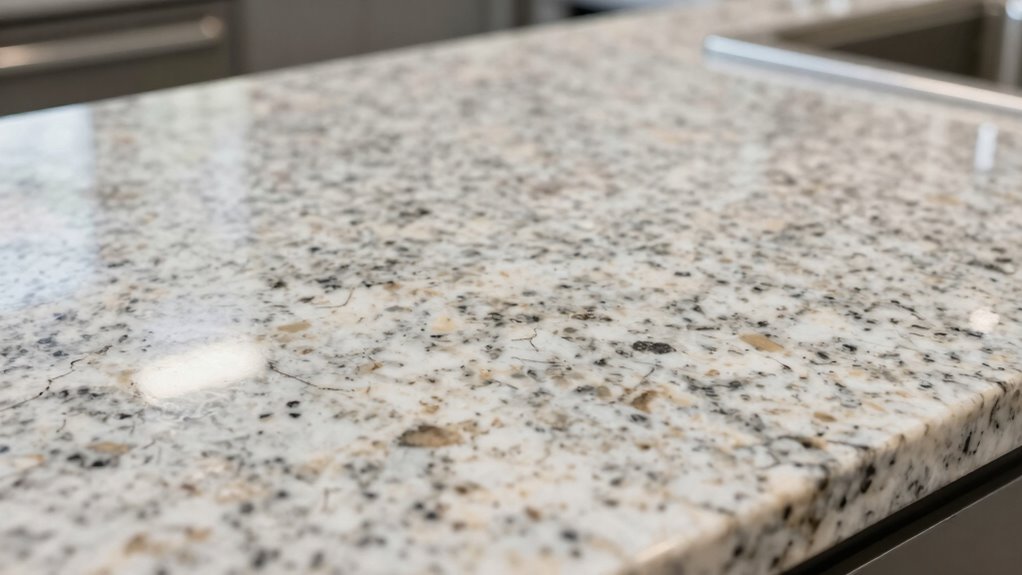
While sealing your countertops offers stain resistance, improper application or overuse can actually cause damage. Sealer toxicity varies depending on the product, and using too much or sealing too often can lead to a cloudy appearance, discoloration, or a sticky surface. Excessive sealing traps moisture and prevents the natural breathability of stone, which can cause cracking or warping over time. Watch for signs like uneven sheen, peeling, or a hazy film—these indicate over-application or incompatible sealer. It’s vital to follow recommended sealing frequency and avoid applying multiple coats unnecessarily. Using a high-quality sealer designed for your specific stone minimizes risks. Remember, more sealing isn’t always better; moderation preserves your countertop’s natural beauty and integrity. Additionally, understanding the energetic alignment involved in maintenance can help you better care for your surfaces and prevent damage. Properly managing auditory processing cues can also enhance your overall understanding of material care instructions and help you make more informed decisions. Maintaining the breathability of stone is crucial, as it allows moisture to escape and prevents deterioration over time. Developing an awareness of material properties can further improve your maintenance routine and prolong the lifespan of your countertops. Being aware of sealer compatibility ensures you select products that won’t harm your specific stone type.

Miracle Sealants 511 Porous Plus Premium Countertop, Stone, and Tile Sealer, Pint
SCS Certified INDOOR ADVANTAGE GOLD
As an affiliate, we earn on qualifying purchases.
As an affiliate, we earn on qualifying purchases.
Better Ways to Maintain Your Natural Stone’s Beauty and Durability
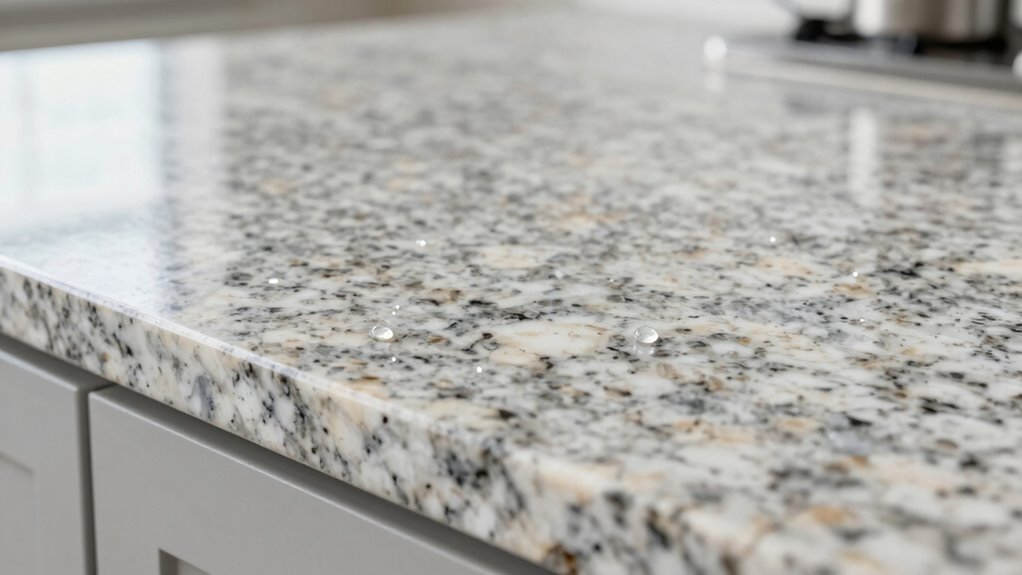
Maintaining your natural stone’s beauty and durability goes beyond regular sealing; simple daily practices can make a significant difference. Instead of relying solely on sealer alternatives, focus on natural maintenance techniques like using pH-neutral cleaners and wiping up spills immediately. Avoid harsh chemicals that can damage the stone’s surface and weaken its integrity. Regularly dusting and cleaning with gentle, stone-specific products helps preserve the stone’s natural luster. Protect high-traffic areas with mats or trivets to prevent scratches and etching. Staying consistent with these habits prevents the need for frequent sealing and keeps your countertops looking their best. Additionally, understanding the air quality in your environment can influence how well your stone surfaces are maintained, as pollutants can accelerate deterioration. Being aware of environmental factors such as indoor air pollutants can further help in maintaining your stone’s longevity. Incorporating environmental awareness into your maintenance routine can also help identify other potential risks to your stone’s surface. Using appropriate cleaning methods and avoiding abrasive tools can further extend the life of your countertops. Regularly inspecting your environment for hazards and adjusting your maintenance practices accordingly can prevent damage and extend your stone’s lifespan. By adopting these natural maintenance routines, you extend the lifespan of your stone and maintain its inherent beauty without falling for myths about sealing.
Simple Tips for Caring for Your Countertops Without Falling for Sealer Myths
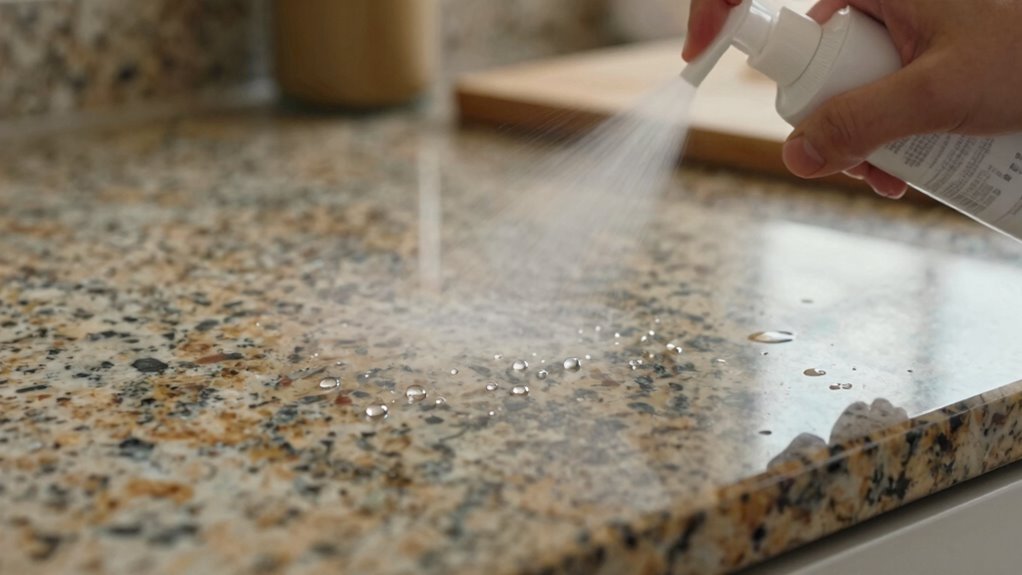
Many homeowners assume that regular sealing is the only way to keep their natural stone countertops looking their best, but that’s a common misconception. Relying solely on sealer effectiveness can lead to neglecting proper countertop maintenance. Instead, focus on simple, proven tips:
Regular sealing isn’t enough; proper maintenance keeps natural stone countertops pristine.
- Use pH-neutral cleaners to prevent damage.
- Wipe spills immediately to avoid staining.
- Avoid harsh abrasives that can scratch surfaces.
- Regularly remove debris to keep your countertop looking fresh.
- Be aware of aerosol particles that can settle on surfaces and cause discoloration over time.
- Understanding surface porosity helps in choosing appropriate cleaning methods and maintaining your countertops effectively.
- Recognizing the myths about sealing can help homeowners make informed decisions about countertop care.
Additionally, being aware of proper maintenance practices can significantly extend the lifespan of your countertops and keep them looking their best.
In addition, understanding the importance of quality assurance can ensure you select the right products and practices for long-lasting results.
Frequently Asked Questions
Are There Specific Stones That Shouldn’t Be Sealed at All?
Some differing stone types, like quartz, porcelain, and granite, should not be sealed because they have sealing restrictions or are non-porous. Sealing restrictions vary depending on the stone’s porosity and finish, so it’s crucial to check manufacturer guidelines. You might risk damage or diminished appearance if you seal stones that aren’t meant for it. Always research or consult a professional to guarantee you’re following the correct care practices for your specific countertop.
How Can I Tell if My Sealer Is Working Properly?
To see if your sealer is working properly, use simple testing methods like the water test—drop a few drops on the surface and see if it beads up. If it does, your sealer’s still effective; if it soaks in, it’s time to reseal. Keep in mind, sealer longevity varies, so test periodically to confirm your countertop remains protected.
Can Sealing Void My Natural Stone’s Warranty?
Sealing your natural stone typically doesn’t void your warranty, especially if you use approved sealer alternatives recommended by your manufacturer. Always check your warranty coverage to see specific restrictions. If you choose an unapproved sealer or improperly apply it, that could potentially affect warranty claims. To stay safe, follow the manufacturer’s instructions and use recommended products, ensuring your countertop remains protected without risking warranty issues.
What Are the Environmental Impacts of Stone Sealers?
You should consider the environmental impacts of stone sealers, as some contain sealer toxicity that can harm ecosystems. Many traditional sealers release volatile organic compounds (VOCs), contributing to air and water pollution. Luckily, you can choose environmentally friendly options that have low or zero VOC content, reducing your ecological footprint. Always check labels for eco-certifications to guarantee you’re making a sustainable choice for your home and the planet.
Is Professional Sealing More Effective Than DIY Methods?
You get what you pay for, so professional sealing often beats DIY methods. While DIY pitfalls stem from sealing misconceptions, professionals have the expertise, proper tools, and quality sealers to guarantee a thorough job. Rushing DIY sealing can lead to uneven coverage and future damage. Investing in a pro helps protect your countertops long-term, giving you peace of mind and avoiding costly repairs down the road.
Conclusion
Don’t rely blindly on stone sealers, don’t fall for myths, and don’t neglect proper care. Instead, understand your countertop’s needs, educate yourself on effective maintenance, and embrace simple, proven tips. By doing so, you protect your investment, preserve your surface’s beauty, and enjoy lasting durability. Remember, informed choices lead to better results; careful maintenance leads to timeless elegance; and avoiding myths leads to peace of mind. Keep your countertops beautiful, strong, and worry-free.