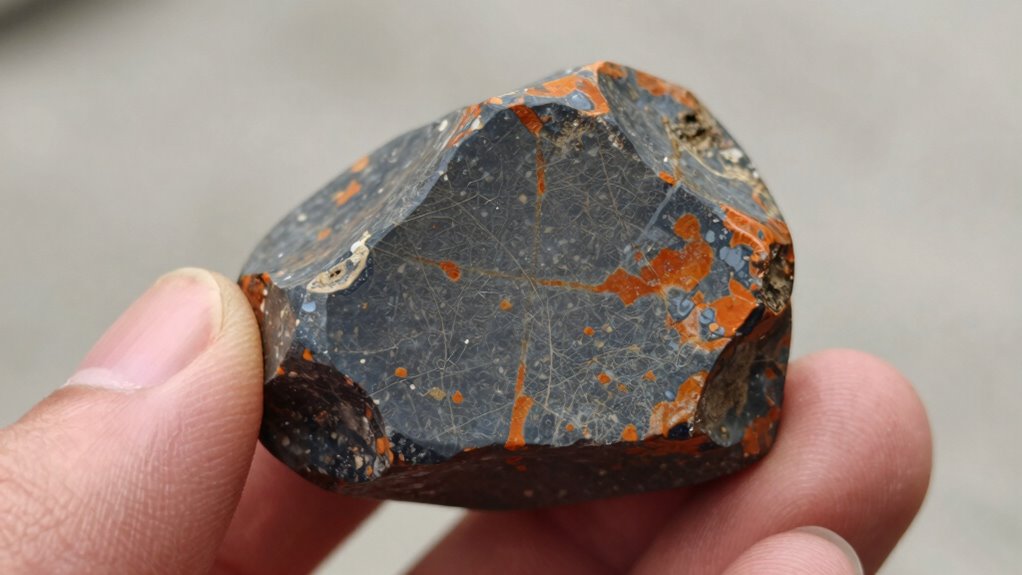

To avoid being fooled when evaluating stone samples, focus on both mineral identification and surface quality. Check the color, texture, and patterns for clues about the mineral type, and use tests like streak or hardness to confirm. Carefully inspect for cracks, pits, or flaws that might indicate internal issues or artificial treatments. Handling samples with magnification tools helps reveal details others might miss. Keep practicing these techniques, and you’ll gain a sharper eye for true quality and authenticity.

Get furniture and decor delivered free with Prime
- Fast, free delivery on millions of items
- Prime Video, Amazon Music and more included
- Member-only deals all year
Key Takeaways
- Combine mineral identification with surface inspection to accurately assess quality and avoid superficial flaws.
- Use magnification tools to examine grain size, mineral distribution, and hidden flaws carefully.
- Conduct hardness and streak tests to confirm mineral presence and prevent misidentification.
- Check for surface treatments or coatings that may mask true surface condition and internal flaws.
- Understand mineral properties and origin to evaluate environmental resistance and overall stone durability.
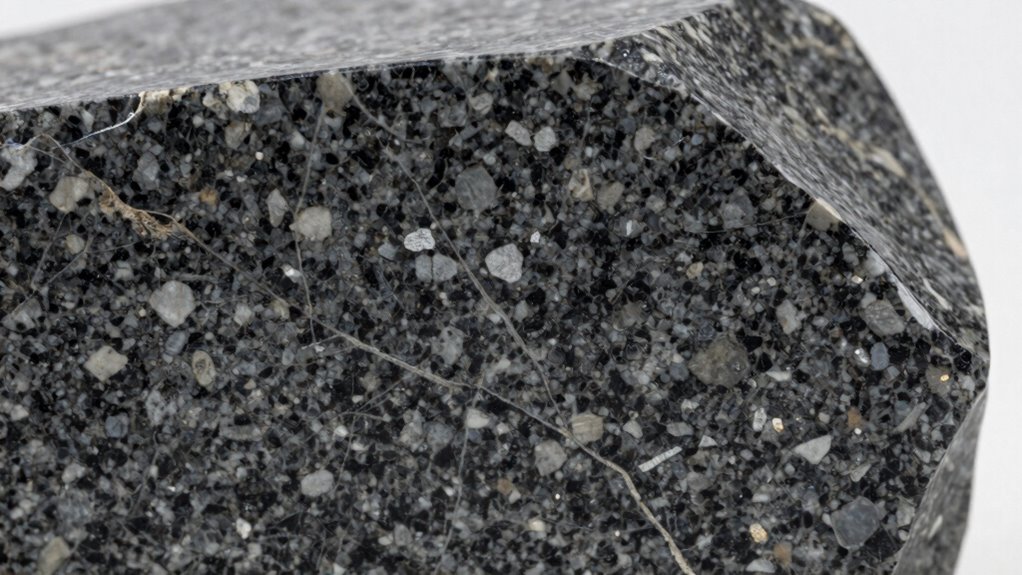
Understanding how to read stone samples is essential for anyone working with or selecting stones for construction, jewelry, or decorative purposes. When you examine a stone, the first step is to focus on mineral identification. Recognizing the minerals within the sample helps you determine its quality, origin, and durability. Look closely at the color, texture, and patterns. For instance, if you see a glassy or crystalline appearance, it might contain quartz or feldspar. If the stone shows a layered or banded structure, it could be a type of sedimentary rock like limestone or shale. Mineral identification isn’t just about visual cues; sometimes, a simple streak test or hardness test can confirm what minerals are present. These tests help you avoid being fooled by surface illusions and give a clearer picture of the stone’s true composition. Additionally, understanding the mineral composition of the stone can help predict how it will respond to environmental factors such as weathering or chemical exposure. Proper knowledge of mineral properties can also guide you in selecting stones that are more resistant to specific conditions. Knowing the geological origin of the stone can provide insights into its durability and suitability for various environments.
Surface inspection plays a crucial role in reading stone samples. Carefully examine the surface for signs of wear, pitting, or cracks. A well-formed gemstone or decorative stone should have a consistent surface with minimal flaws. Watch for surface irregularities that could suggest a compromised internal structure or previous damage. A smooth, even surface indicates good quality, while extensive pitting or unevenness might mean the stone is more fragile or has been poorly processed. Also, check for any signs of artificial treatment or coating, which can deceive your initial impression. Sometimes, stones are polished or coated to enhance their appearance, masking imperfections or lower-quality material underneath. A keen surface inspection helps you detect these tricks and make more accurate judgments about the sample’s authenticity and worth. Additionally, understanding how surface treatments can alter the appearance of stones is vital to avoid being misled about their true quality. Recognizing these treatments can save you from purchasing artificially enhanced stones that don’t meet your expectations.
Combining mineral identification with surface inspection gives you a thorough understanding of each stone sample. Don’t rely solely on the visual appeal—dig deeper into what’s beneath the surface. Pay attention to tiny details like grain size, the consistency of mineral distribution, and the presence of inclusions or flaws. These factors influence not only the aesthetic qualities but also the strength and suitability of the stone for your specific needs. Always handle samples carefully, and if possible, use magnification tools to uncover details that aren’t visible to the naked eye. By mastering these techniques, you’ll become more confident in reading stone samples accurately, helping you avoid mistakes and select the best materials for your projects. Developing this detailed examination skill will greatly improve your ability to assess stones effectively.
Products Worth Considering

Dyson Car+Boat Cordless Handheld Vacuum

Ring Battery Doorbell Plus (2nd Gen) and Indoor Cam Plus Bundle, Nickel Silver and White

Bose SoundLink Flex Bluetooth Speaker (2nd Gen), Portable Waterproof Speaker, Black
As an affiliate, we earn on qualifying purchases.
Frequently Asked Questions
Can Stone Samples Be Naturally Misleading in Appearance?
Yes, stone samples can be naturally misleading in appearance. Mineral composition influences their color and texture, sometimes mimicking other stones. Surface patterns, like veining or grain, can also deceive the eye, making it difficult to identify the true type. To avoid mistakes, closely examine mineral composition and surface patterns, and compare samples with reliable references. This careful approach helps you distinguish genuine stones from appearances that can be intentionally or naturally confusing.
How Do Environmental Factors Affect Stone Sample Readings?
Environmental impact can considerably affect your stone sample readings by introducing variables like moisture, temperature changes, or chemical exposure. These factors can cause sample contamination, leading to inaccurate results. To guarantee precision, you should control environmental conditions during testing and handle samples carefully. Proper storage and timely analysis help minimize contamination risks, so your readings truly reflect the stone’s natural properties rather than external environmental influences.
Are There Tools to Verify Stone Sample Authenticity?
Yes, you can wield tools that act like detective’s magnifying glasses. Historical techniques like hand lens inspections and modern testing methods, such as X-ray fluorescence (XRF) and petrographic microscopes, serve as your trusted allies. These tools help you peel back the layers of deception, revealing the true story behind each stone. By combining old-world wisdom with cutting-edge science, you can confidently verify the authenticity of your samples, avoiding costly mistakes.
How Often Do Stone Samples Vary Within the Same Type?
Stone samples within the same type can vary quite a bit, especially in mineral composition and surface texture. You might notice differences in color, veining, or grain size, which reflect their unique formation conditions. These variations help identify the stone’s origin and authenticity. By examining mineral composition and surface texture closely, you can better understand the natural diversity and avoid being fooled by imitations.
Can Fake Stone Samples Be Detected Visually?
You can often spot fake stone samples visually by looking for synthetic coatings or color inconsistencies. Fake stones may have an unnatural sheen or uneven coloration, revealing their synthetic nature. Genuine stones typically display natural variation and depth in color, while fake ones often lack these subtle details. Carefully inspecting surface textures and color uniformity helps you distinguish authentic stones from fakes effectively.
Conclusion
Now that you know how to scrutinize stone samples, you’re armed with a sharper eye than a hawk in flight. Remember, a tiny flaw or unusual color can tell a story more complex than a thousand novels. Don’t be fooled by appearances—these samples are like secret messages waiting to be deciphered. With this knowledge, you’ll spot the genuine from the fake faster than lightning strikes, ensuring you make confident, informed decisions every time.