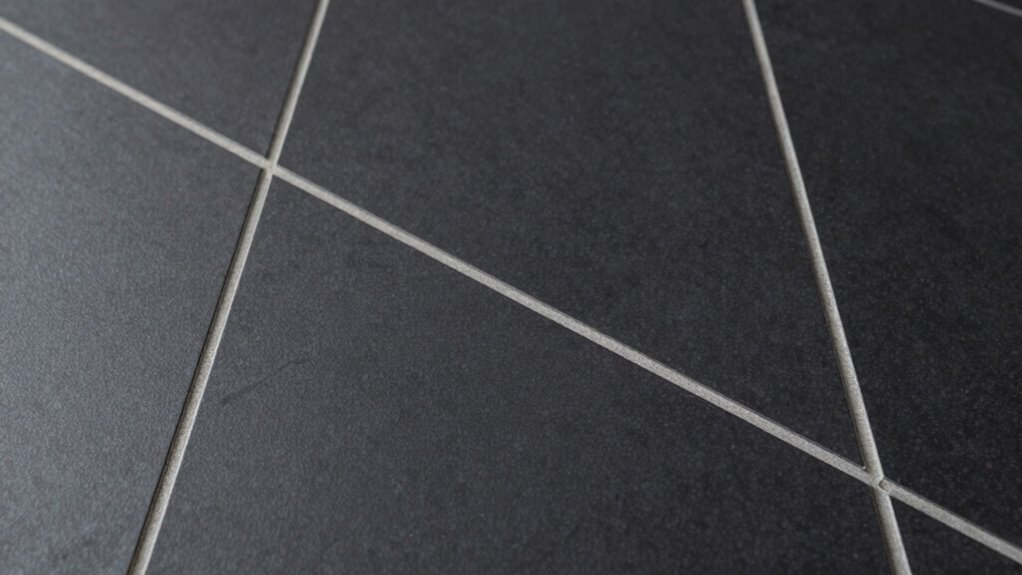

To achieve a cleaner, more modern look, choose narrow grout lines, around 1/16 to 1/8 inch, especially for sleek tile layouts. Matching grout color to your tiles creates a seamless appearance, while contrasting colors can highlight patterns if you prefer visual interest. For complex designs, slightly wider grout lines help with tile variations. Always consider your space, style, and maintenance needs. Keep exploring for detailed tips to perfect your grout choices.

Get furniture and decor delivered free with Prime
- Fast, free delivery on millions of items
- Prime Video, Amazon Music and more included
- Member-only deals all year
Key Takeaways
- Opt for narrow grout lines (~1/16 to 1/8 inch) to create a sleek, seamless appearance.
- Match grout color to tiles for a cohesive, modern look that emphasizes clean lines.
- Use consistent, precise application to ensure a tidy, polished finish.
- Avoid wide grout lines in small spaces to maintain an open, uncluttered feel.
- Choose grout width based on tile layout, favoring narrower lines for simple, contemporary patterns.
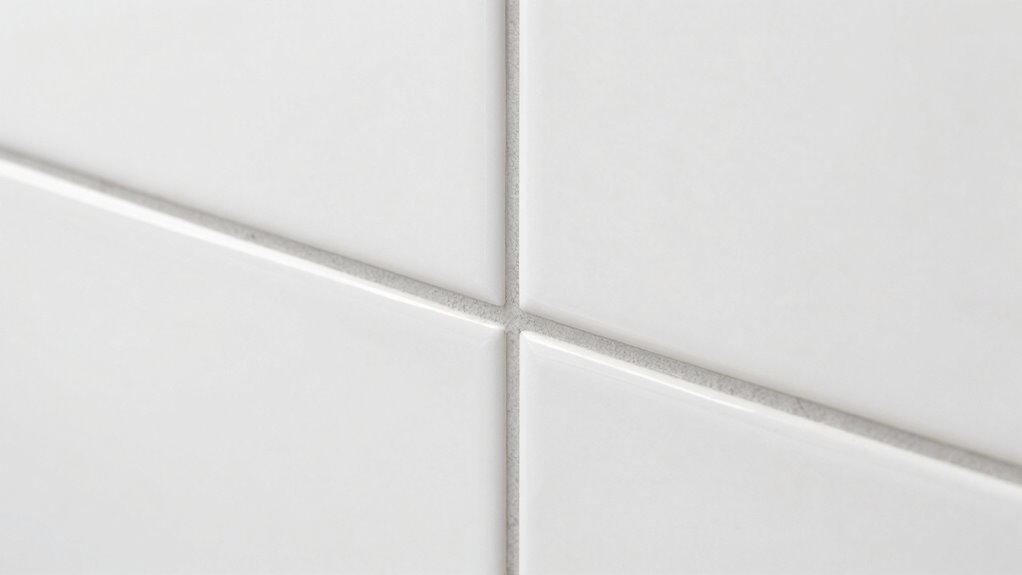
Have you ever wondered how the width of your grout lines can impact the look and durability of your tile installation? The answer lies in understanding how grout width influences the overall aesthetic and function of your space. When you choose the right grout width, it can create a sleek, modern vibe or a more traditional look, depending on your preferences. One key factor to take into account is color contrast. If you opt for a narrow grout line with a color that closely matches your tile, you’ll achieve a seamless, clean appearance that emphasizes the tile layout. This approach is perfect for contemporary designs, where you want the tiles to flow uninterrupted across the surface. Conversely, a wider grout line in a contrasting color can make each tile stand out more distinctly, adding visual interest and highlighting the tile pattern or layout. This can be especially effective if you’re working with intricate tile arrangements or if you want to add a pop of color to your design.
Your choice of tile layout also plays a significant role in determining the ideal grout width. For example, a straightforward grid or subway tile layout often looks best with narrow grout lines, typically around 1/16 to 1/8 inch. Narrow lines give the installation a tidy, modern look and help maintain a sense of openness in small spaces. If your layout involves more complex patterns, like herringbone or mosaics, slightly wider grout lines may be beneficial to accommodate variations in tile size and to ensure even spacing. This helps improve the overall appearance and makes maintenance easier, as wider grout lines are less likely to trap dirt and grime. Additionally, understanding how grout width affects the durability and longevity of your installation can help you make more informed choices for your space. Properly applying grout and sealing it correctly can also contribute to the overall strength and water resistance of the tiled surface, making it a crucial consideration. The balance lies in selecting a width that compliments your tile layout, enhances the desired color contrast, and suits your maintenance preferences. When you take all these factors into account, you’re more likely to achieve a clean, modern look that’s both beautiful and long-lasting.
As an affiliate, we earn on qualifying purchases.
Frequently Asked Questions
How Does Grout Width Affect Tile Durability?
You’ll find that grout width impacts tile durability by influencing color consistency and the risk of grout cracking. Narrow grout lines tend to keep the surface more stable, reducing cracking chances, while wider lines might lead to movement and cracks over time. Properly chosen width guarantees consistent color and helps prevent deterioration, making your tile installation more durable and visually appealing in the long run.
Can Grout Width Influence the Ease of Cleaning?
Yes, grout width can influence how easy it is to clean your tiles. Narrower grout lines mean less grout to trap dirt and debris, making grout maintenance simpler and quicker. Plus, a consistent, modern grout width enhances the aesthetic appeal, giving your space a sleek, clean look. Larger gaps may collect more grime and require more frequent cleaning, so choosing the right width helps keep your tiles looking fresh and tidy.
Is There an Ideal Grout Width for Large Tiles?
For large tiles, a wider grout line, around 1/4 inch, often works best, providing balance and ease of maintenance. You should match the grout color to the tile for a seamless look, which helps your space appear bigger and cleaner. Also, sealing the grout after installation prevents staining and makes cleaning easier, especially with wider grout lines. This approach keeps your large tile surfaces looking modern and tidy.
How Does Grout Width Impact the Overall Cost?
Grout width can dramatically influence your project’s cost, acting like a ripple that spreads through your budget. Wider grout lines often require more material, increasing expenses, while narrower lines save money but might need precise installation. For effective budget planning, consider cost considerations carefully—smaller grout widths tend to be more economical, but make certain they suit your aesthetics. Balancing style and budget helps you achieve a modern look without overspending.
What Are Common Mistakes to Avoid When Choosing Grout Width?
Avoid common mistakes by ensuring proper color coordination and pattern consistency when choosing grout width. Don’t select a width that clashes with your tile color or disrupts the overall pattern; this can look unpolished. Also, steer clear of overly narrow or wide grout lines that can make your space appear cluttered or unbalanced. Measure carefully and consider your design goals to achieve a sleek, modern look.
Conclusion
Think of your tile installation as painting a masterpiece. The grout width is like the brushstroke—too wide, and it overwhelms the canvas; too narrow, and details get lost. By choosing the right grout width, you’re guiding the eye smoothly across your design, creating a balanced and modern look. When you strike that perfect balance, your space becomes a harmonious artwork—clean, sleek, and effortlessly stylish. Your home will feel like a gallery, inviting admiration with every glance.
Halloween Picks
halloween
As an affiliate, we earn on qualifying purchases.