TL;DR
In Season 7, Episode 9 of HGTV’s Fixer to Fabulous, Dave and Jenny Marrs used cream-colored square tiles in a checkered diagonal layout for a family kitchen backsplash. Jenny Marrs said the design was paired with soft blue cabinets for a classic farmhouse look; tile color, orientation, grout and size can all change the result.
Dave and Jenny Marrs used a cream-colored checkered backsplash in a family kitchen featured in Season 7, Episode 9 of HGTV’s Fixer to Fabulous, offering an alternative to plain or subway-tile layouts. Jenny Marrs described pairing the square tiles with soft blue cabinets to create a classic farmhouse look.

Get furniture and decor delivered free with Prime
- Fast, free delivery on millions of items
- Prime Video, Amazon Music and more included
- Member-only deals all year
The kitchen was part of a project to build a three-bedroom home on the foundations of an old barn. For the backsplash, the Marrs used simple square tiles in contrasting light tones. Set on the diagonal, the squares form a diamond pattern, sometimes called a harlequin layout. The design relies on tile placement and color contrast rather than elaborate shapes or decoration.
Jenny Marrs wrote on the couple’s blog: “We chose a soft blue for the cabinets and paired it with a cream-colored, checkered square backsplash for a classic farmhouse look.” The available description identifies the backsplash colors as beige and white, while her wording describes the selection as cream-colored. It does not specify the tile manufacturer, exact dimensions, installation cost or grout product.
The look can be adapted by changing the color combination, tile orientation, grout and tile size. A straight-edged grid can create a familiar checkerboard, while turning square tiles diagonally gives the pattern a different rhythm. Black-and-white tiles would make a stronger contrast; green shades or closely related neutrals could produce a more muted effect.
Bring more charm with a checkered tile backsplash
Dave and Jenny Marrs used cream-colored square tiles with soft blue cabinets for a classic farmhouse kitchen. The pattern shows how layout and color can change the feel of familiar tiles.
A familiar tile, a new rhythm
Turning square tiles onto their points creates a diamond pattern, also called a harlequin layout.
Diagonal diamonds
The Marrs’ arrangement changes the pattern without relying on elaborate tile shapes.
Straight checkerboard
Keep tile edges horizontal and vertical for a more familiar grid.
Choices that shape the finish
Small decisions affect how strongly the pattern stands out and how it fits the room.
Pale tiles with soft blue cabinets create the Marrs’ farmhouse look; black and white would give stronger contrast.
Contrasting grout emphasizes each tile, while a closer color softens the grid.
Consider tile size in relation to the available wall area; the project’s exact dimensions are not specified.
What is known—and what is not
- Square tiles in cream, beige and white tones
- Checkered diagonal arrangement
- Soft blue cabinets
- Manufacturer and exact tile dimensions
- Grout product, width and installation cost
- Whether an estimated tile size is accurate
Small Tile Choices, Visible Impact
A backsplash occupies a prominent part of many kitchens, but a distinctive result does not necessarily require unusual tile shapes. This example shows how layout and contrast can give ordinary square tiles a recognizable pattern, offering homeowners another option beyond solid-color surfaces and standard subway arrangements.
The design also illustrates the practical trade-offs behind that visual choice. Contrasting grout can make each tile stand out, while a grout color close to the tile can soften the grid. Larger tiles mean fewer grout lines across a given area, though the finished appearance depends on the room’s dimensions and the intended scale. These are design considerations, not guarantees that a particular pattern will suit every kitchen.
Products Worth Considering
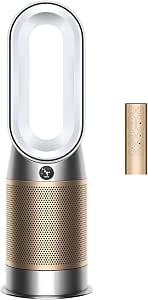
Dyson Purifier Hot+Cool HP2 De-NOx

Bose TV Speaker Compact Soundbar with Bluetooth and HDMI-ARC, Black

Dyson Purifier Cool PC2 De-NOx
As an affiliate, we earn on qualifying purchases.
The Barn-Foundation Kitchen
The backsplash appeared in a home-building project shown on Fixer to Fabulous. The Marrs were tasked with creating a three-bedroom house on an old barn’s foundations, and the kitchen was styled around classic comfort. The soft blue cabinetry and pale checkered tiles formed the combination Jenny described in her blog.
The featured arrangement turns square tiles onto their points, producing diamond-shaped outlines across the wall. A traditional checkerboard instead keeps the tile edges horizontal and vertical. Both arrangements use square tiles, but their orientation changes the pattern’s overall impression. The episode example is therefore less about a specialized tile product than about how a familiar shape is installed.
“We chose a soft blue for the cabinets and paired it with a cream-colored, checkered square backsplash for a classic farmhouse look.”
— Jenny Marrs, in a post on the Marrs’ blog
Project Details Not Specified
The available account does not give the exact tile measurements, supplier, installation method, grout width or project budget. The diagonal layout appears to use classic four-by-four-inch tiles, but that size is presented as an apparent estimate rather than a confirmed specification. It is also unclear whether the episode or the Marrs’ blog provides additional construction details.
Suggestions such as using six-by-six-inch tiles in a larger kitchen are general design guidance, not a documented choice in the Marrs’ project. A particular tile size or grout color will not produce the same effect in every space; the appropriate selection depends on the room and the desired finish.
Adapting the Pattern at Home
For anyone considering a similar backsplash, the next step is to decide whether a diagonal diamond layout or a straight checkerboard better suits the kitchen. Then compare tile colors with the cabinetry and consider whether grout should blend in or emphasize the pattern. Tile dimensions should be judged against the available wall area so the grid feels appropriately scaled.
No additional episode follow-up, product announcement or installation guidance is specified in the available information. The Marrs’ kitchen serves as a design example; homeowners would need to confirm product availability and project requirements before choosing materials.
Key Questions
Which Fixer to Fabulous episode features the backsplash?
It appears in Season 7, Episode 9. The episode’s air date is not specified here.
What tiles did Dave and Jenny Marrs use?
The backsplash is described as square tiles in cream, beige and white tones, arranged in a checkered pattern. The exact product and confirmed dimensions are not given.
Why are the tiles set diagonally?
Turning square tiles onto the diagonal creates a diamond or harlequin formation. The same tiles could instead be installed with straight horizontal and vertical edges for a conventional checkerboard.
Can the look work with other colors?
Yes. The design idea can be adapted with different contrasting or tonal combinations, such as black and white or two shades of green. The Marrs’ version pairs pale tiles with soft blue cabinets.
What should homeowners decide before choosing a similar backsplash?
Consider the tile orientation, color contrast, grout color and width, and tile size relative to the kitchen. The available details do not identify a single specification that will suit every room.
Source: hunker.com