
The permit detail that often derails remodel timelines is submitting incomplete or incorrect applications. Common mistakes like missing signatures, improper documentation, vague project descriptions, or underestimating fees can cause permit delays or denials. These errors lead to project hold-ups, reapplications, and additional costs. To keep your remodel on track, you need to understand permit requirements and avoid these pitfalls. If you keep these points in mind, you’ll be better prepared to navigate the process smoothly.
Key Takeaways
- Incomplete or inaccurate permit documentation can cause delays due to requests for corrections.
- Vague or poorly defined permit conditions lead to misunderstandings and work stoppages.
- Application errors, such as missing signatures or project details, often result in permit rejections.
- Permit approval delays from authorities extend project timelines and increase costs.
- Failure to track permit expiration dates or comply with codes causes unnecessary reapplications and setbacks.

SmartSign 100-Pack Cutting/Welding Permit Tag with Work Area Precaution Checklist, 2-Sided Tags in Dispenser Box, Write-On, 6.25" x 3", 10 mil Plastic, Waterproof, Yellow/Black on White
DURABLE & WATERPROOF. Cutting/Welding Permit Tags are made from 10 mil thick plastic. These reusable and waterproof tags…
As an affiliate, we earn on qualifying purchases.
As an affiliate, we earn on qualifying purchases.
Why Permits Are Essential for a Safe and Legal Remodel

Permits are essential because they guarantee your remodel complies with safety standards and building codes. Without them, your project risks violations that could lead to fines or unsafe conditions. Understanding permit fees helps you budget accurately, as costs vary depending on the scope of work. In some cases, you might encounter permit exceptions, which allow certain minor renovations without formal approval. However, relying on these exceptions can be risky if your project exceeds their limits. Securing permits ensures inspections confirm your work meets legal and safety requirements, protecting you and your property. Skipping permits might save time initially, but it often causes costly delays and legal issues later. Additionally, proper ventilation considerations can impact permit approval, as they are part of safety standards in many jurisdictions. Ultimately, permits safeguard your investment by ensuring your remodel is safe, legal, and up to code. Being aware of regulatory requirements helps you avoid potential pitfalls that could compromise your project. Additionally, understanding permit processes can streamline your planning and execution phases. Familiarity with building inspection procedures further ensures your work passes inspections smoothly and prevents rework, which emphasizes the importance of compliance with safety standards.
building permit documentation templates
As an affiliate, we earn on qualifying purchases.
As an affiliate, we earn on qualifying purchases.
The Permit Detail That Causes Most Construction Delays

Many delays during remodeling stem from permit issues, especially when documentation is incomplete or unclear. If permit conditions aren’t well-understood, it can slow down your project considerably. Additionally, approval delays often hold up progress, leaving you waiting longer than expected. Using the right permit process can help streamline approvals and reduce overall delays. Proper understanding of permit requirements and clear communication with authorities can further minimize hold-ups and ensure smoother project execution. Being aware of building codes and how they influence permit approval can also help prevent unexpected setbacks. Implementing effective communication strategies with local agencies can further expedite the review process and keep your project on schedule. Moreover, understanding support services available for applicants can provide valuable assistance throughout the permitting process.
Improper Permit Documentation
Improper permit documentation is a leading cause of construction delays, often stemming from missing, incorrect, or incomplete paperwork. When permit accuracy and documentation completeness suffer, projects stall unnecessarily. To avoid this, watch out for:
- Missing signatures or stamps required by local authorities
- Incorrect property details or project descriptions
- Outdated or expired permits that haven’t been renewed
- Incomplete forms lacking essential information
Ensuring your permit documentation is thorough and accurate helps keep your project on track. Double-check all submissions for permit accuracy, and verify that every form is complete before submitting. This proactive approach minimizes delays caused by administrative errors and keeps your remodel timeline intact. Proper permit documentation isn’t just paperwork—it’s your tool to prevent costly project setbacks, especially considering the importance of permit compliance in avoiding delays. Additionally, understanding the permitting process can help you identify potential issues early and streamline approvals. Being familiar with regulatory requirements can further help prevent unexpected hold-ups during inspections or reviews. Furthermore, leveraging European cloud solutions can facilitate better document management and improve compliance tracking throughout the project lifecycle. Implementing a comprehensive document management system can also enhance accuracy and accessibility of permit records, reducing administrative errors.
Unclear Permit Conditions
Unclear permit conditions are a common source of construction delays because they leave you uncertain about what is required to proceed. Permit confusion often arises when permit conditions are vague or poorly documented, leading to permit ambiguity. This lack of clarity makes it difficult to determine if you’re meeting all requirements, causing you to pause work and seek clarification. Such delays can stack up, especially if you need to submit additional information or await revisions from authorities. When permit conditions aren’t straightforward, your team wastes time interpreting the rules, which stalls progress. Addressing permit confusion early by requesting clear, detailed instructions from the permitting agency can reduce delays and keep your project on schedule. Clear permit conditions are essential to avoiding unnecessary hold-ups, and understanding the permitting process can help you navigate these challenges more effectively. Additionally, having a thorough understanding of permit documentation can significantly streamline your project’s compliance efforts.
Delayed Permit Approvals
Delayed permit approvals often hold up construction projects because the review process can be slow or unpredictable. This can be frustrating, especially when permit fees are paid upfront, and your project is on hold. Common issues include lengthy inspection schedules, which cause further delays, or backlogged review departments. Here’s what you might face:
- Extended waiting times due to overwhelmed permit offices.
- Additional permit fees for resubmissions or corrections.
- Unexpected inspection delays that push back project timelines.
- Unclear communication about approval status, forcing you to follow up repeatedly.
- Failing to understand the importance of proper infrastructure planning can lead to additional complications and delays.
These hurdles can turn a straightforward remodel into a stressful ordeal, making it vital to stay proactive and plan for potential delays tied to permit approvals.
inspection-ready home renovation permits
As an affiliate, we earn on qualifying purchases.
As an affiliate, we earn on qualifying purchases.
How Incomplete or Wrong Permit Applications Can Hold Up Your Project
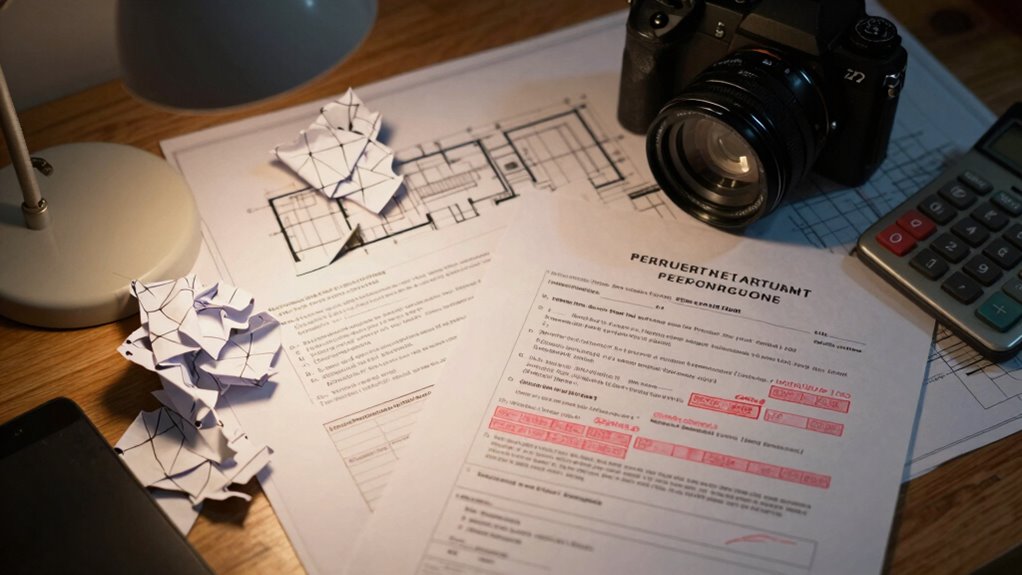
Incomplete or incorrect permit applications can considerably slow down your remodel because they often trigger additional reviews, corrections, and approvals. Permit mistakes, such as missing information or inaccurate details, force city officials to request clarifications or resubmit paperwork. Documentation errors, like incorrect site plans or incomplete forms, can lead to delays as officials verify details or ask for revisions. These mistakes create back-and-forth communication, which stalls progress and pushes back your project timeline. To avoid this, double-check all forms, ensure your documentation is accurate, and provide complete information from the start. Additionally, understanding the importance of permit compliance can help you plan your project more effectively. Being aware of permit requirements can help you avoid overlooked steps that cause delays. Addressing permit mistakes early on helps keep your project on schedule and prevents unnecessary hold-ups caused by administrative errors. Paying close attention to application procedures can also streamline the approval process and minimize setbacks, especially when you understand the permitting process thoroughly.

Construction Project Manager: Journal, Notes, Ideas, Actions, Priorities, Checklists, Log | Tool for Daily Goal Setting Tracker | Time Management | … | Project Office Book Gifts for Meetings
As an affiliate, we earn on qualifying purchases.
As an affiliate, we earn on qualifying purchases.
Common Permit Application Mistakes Homeowners Make: and How to Avoid Them

Many homeowners overlook common mistakes when filling out permit applications, unknowingly setting their projects up for delays. These errors can cause permit fees to increase or lead to permit expiration before approval. To avoid setbacks:
- Forgetting to include detailed project descriptions can result in unnecessary questions or rejection.
- Underestimating permit fees may cause delays if additional payments are required later.
- Ignoring permit expiration dates can lead to having to reapply if you don’t complete work in time.
- Submitting incomplete or inaccurate plans often results in a hold-up while corrections are made.
- Being aware of permit application requirements ensures you provide all necessary information upfront and prevent unnecessary delays. Additionally, understanding permitting timelines can help you plan your project more effectively and avoid unexpected holdups.
Being thorough and double-checking your application helps ensure smooth approval. Paying attention to permit fees and expiration dates keeps your project on schedule and prevents costly setbacks.
Tips to Ensure Your Permit Is Approved Quickly
Are you wondering how to get your permit approved quickly? The key is understanding the permit processes and ensuring your application is thorough and accurate. Start by reviewing all required documentation carefully—missing or incorrect paperwork can cause delays. Double-check that your plans meet local regulations and include detailed descriptions. Submit everything in the proper format and follow the application guidelines precisely. Keep copies of all documents and stay organized to respond promptly to any requests for additional information. Communicate with the permitting office to clarify any uncertainties before submission. Paying attention to application requirements and prioritizing documentation accuracy helps reduce the risk of delays. This proactive approach helps speed up approval and keeps your project moving forward without unnecessary holdups.
How Local Building Codes Influence Your Permit Process

Understanding how local building codes shape your permit process can save you time and prevent costly mistakes. These codes set standards for safety, structure, and zoning, directly impacting permit compliance. If you overlook these regulations, you risk delays or fines. To navigate smoothly:
- Review local building codes early to understand requirements.
- Ensure your plans meet all zoning and safety standards.
- Prepare detailed documentation for permit submission.
- Work with inspectors to clarify permit compliance expectations.
What to Do If Your Permits Are Denied or Delayed?
When your permits are delayed or denied, it can feel frustrating and disruptive to your project. The first step is understanding your options, such as filing a permit appeal if you believe the denial was unfounded. Review the reasons for denial carefully and gather any additional documentation or clarifications needed. Sometimes, resubmitting your project with the necessary adjustments or additional information can resolve the issue quickly. Be proactive and communicate directly with the permitting authority to clarify concerns. If your initial project resubmission doesn’t succeed, explore the appeal process to challenge the decision. Staying organized and persistent increases your chances of overcoming permit delays, helping you get your project back on track without unnecessary setbacks.
Practical Strategies to Prevent Permit-Related Remodel Delays

To keep your remodel on track, focus on submitting accurate permit documentation from the start. Make sure to monitor your progress regularly so you can catch issues early. By staying proactive with these strategies, you can prevent delays and keep your project moving smoothly.
Accurate Permit Documentation
Accurate permit documentation is essential to keep your remodel on track. Mistakes or omissions can delay permit compliance and complicate the inspection process, causing costly setbacks. To prevent this, focus on these strategies:
- Double-check all forms and documents before submission to guarantee accuracy.
- Keep organized records of permits, approvals, and correspondence for quick reference.
- Collaborate closely with your contractor to verify permit details align with project plans.
- Review permit requirements regularly to avoid missing updates or new regulations.
Timely Permit Submissions
Submitting permit applications promptly is essential to keeping your remodel on schedule. Delays often stem from late submissions, which can lead to increased permit fees and the need for permit renewals. To avoid this, familiarize yourself with local permit requirements early in the planning process. Gather all necessary documentation and submit your application well before your planned start date. Keep track of renewal deadlines if your permit has a limited validity period, and address any issues immediately to prevent processing delays. By proactively managing permit submissions, you minimize the risk of project setbacks caused by bureaucratic holdups. Staying organized and aware of fee schedules ensures you avoid unnecessary costs and keeps your project moving smoothly. Prompt permit submission is a straightforward way to prevent permit-related delays from derailing your remodel timeline.
Regular Progress Monitoring
Regularly monitoring your project’s progress can considerably reduce the risk of permit-related delays. Stay proactive by tracking key milestones, such as permit renewals and zoning variances, to prevent unexpected setbacks. Here are four practical strategies:
- Schedule weekly check-ins to review permit statuses and upcoming renewal deadlines.
- Maintain a detailed permit timeline, noting renewal dates and required documentation.
- Communicate regularly with your permit officer to clarify zoning variance requirements.
- Address permit issues promptly to avoid delays in construction schedules.
Final Checklist: Staying on Track With Permits During Your Remodel
To keep your remodel on track, it’s essential to follow a final checklist that guarantees all permit-related tasks are completed and documented properly. Start by reviewing the entire permit process to ensure all approvals are secured and permits are issued correctly. Double-check that your documentation accuracy is maintained—this means verifying that all forms, inspections, and correspondence are complete and organized. Keep copies of permits, inspection reports, and any amendments for easy access. Confirm that all required signatures and approvals are obtained before proceeding. Staying proactive in tracking these details prevents delays and keeps your project compliant. A thorough final review of your permit documentation ensures nothing slips through the cracks, helping you stay on schedule and avoid costly setbacks.
Frequently Asked Questions
Can Permits Be Transferred if I Sell My Property During Renovation?
Yes, permits can often be transferred if you sell your property during renovation. You should contact your local building department to inquire about their permit transfer process, as it varies by jurisdiction. Typically, you’ll need the new owner’s information and a permit transfer application. This allows the new owner to continue the renovation work seamlessly, avoiding delays caused by starting a new permit process.
How Long Does It Typically Take to Get a Permit Approved?
Time is of the essence when it comes to permit approval timelines. Usually, it takes about 4 to 8 weeks for your permit to be approved, but permit delays can stretch this period considerably. Factors like permit complexity, local workload, and completeness of your application influence approval times. To stay on track, make sure your application is thorough and promptly respond to any requests, helping you avoid unnecessary permit delays.
Are There Permits Required for Minor Repairs or Cosmetic Updates?
For minor repairs or cosmetic updates, you might not need permits, thanks to permit exemptions and cosmetic permits. However, it’s essential to confirm local regulations, as some areas require permits even for small projects. If your updates involve electrical, plumbing, or structural changes, you’ll likely need a permit. Always verify with your local building department to avoid delays and ensure your project complies with all safety and code requirements.
What Penalties Exist for Remodeling Without the Proper Permits?
If you remodel without proper permits, you risk permit violations that can lead to hefty fines and stop-work orders. These violations may also impact your insurance, making it harder to claim damages or coverage if issues arise later. Additionally, unpermitted work might require costly corrections or even removal. Always secure the necessary permits beforehand to avoid legal trouble, financial penalties, and potential insurance complications down the line.
How Can I Expedite the Permit Approval Process?
Think of permit approval as a race you’re enthusiastic to win—speed it up by thoroughly preparing your permit procedures beforehand. Submit complete, accurate applications, and respond promptly to any additional requests. Building good communication with your local permit office helps avoid approval delays, making the process smoother. Consider scheduling a pre-application consultation to clarify requirements early on. These steps turn a slow process into a swift victory lap.
Conclusion
Keep your remodel sailing smoothly by staying ahead of permit pitfalls, much like a captain guiding through stormy seas. With careful planning, attention to detail, and timely applications, you’ll steer clear of delays that threaten to sink your project. Think of permits as the lighthouse guiding your way — shining brightly to ensure safe passage. Stay vigilant, follow the checklist, and your renovation journey will be as smooth as a calm, clear harbor at dawn.