
During remodels, you must stay vigilant for hidden hazards like asbestos, lead-based paint, mold, and structural issues that can threaten your health and safety. Asbestos fibers are microscopic and easily airborne if disturbed, while lead dust from old paint requires careful handling by professionals. Mold spores and unstable structures also pose risks. Using proper testing, protective gear, and expert help is essential—there’s more to uncover about safeguarding yourself as you proceed.

Get furniture and decor delivered free with Prime
- Fast, free delivery on millions of items
- Prime Video, Amazon Music and more included
- Member-only deals all year
Key Takeaways
- Always test for asbestos and lead-based paint before starting renovation; use certified professionals for removal.
- Avoid disturbing asbestos materials; improper handling releases dangerous fibers into the air.
- Use protective gear and containment measures to minimize dust, fibers, and chemical exposure during remodeling.
- Address mold, VOCs, and structural issues promptly to prevent health hazards and ensure safety.
- Conduct thorough cleaning with HEPA vacuums after work to remove residual hazardous materials.
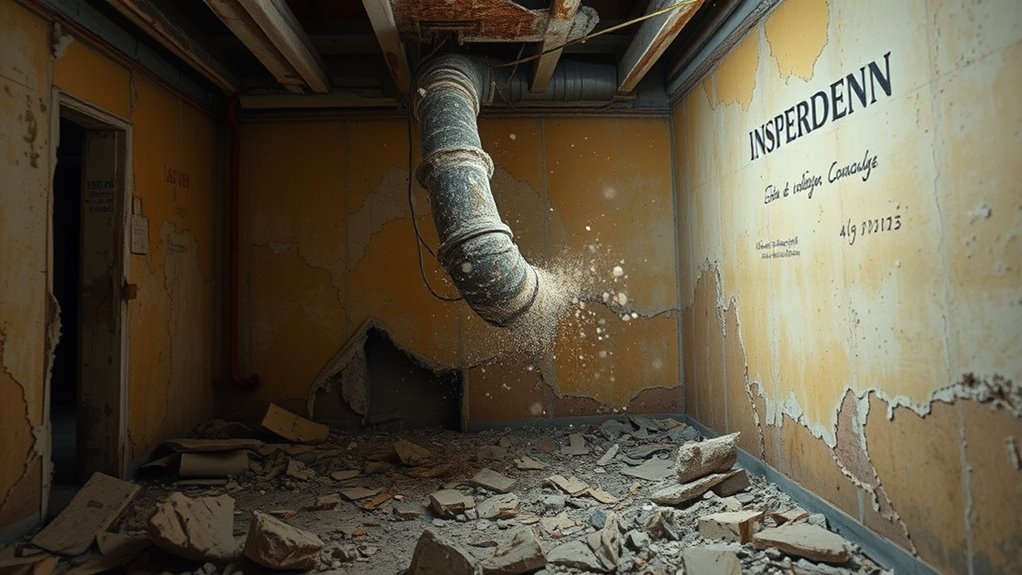
Have you ever considered the hidden dangers lurking behind a seemingly straightforward remodel? It’s easy to focus on the visible tasks—painting, installing new fixtures, or replacing flooring—yet beneath the surface, there are silent hazards that can threaten your health and safety if overlooked. Asbestos, commonly used in insulation, flooring, and ceiling tiles before the 1980s, presents a significant threat when disturbed. Its fibers are microscopic and become airborne easily during renovation activities such as demolition or removal. Once inhaled, these fibers can lodge in your lungs and cause diseases like asbestosis, lung cancer, or mesothelioma decades later. To prevent this, you must recognize materials that may contain asbestos—such as textured paints, pipe insulation, or old flooring—before starting work. It’s essential to have a professional conduct testing rather than assume materials are safe. If asbestos is present, proper removal requires certified specialists equipped with specialized protective gear and containment procedures. Do not attempt to disturb asbestos-containing materials yourself; the risk is simply too high.
Hidden hazards like asbestos and lead can threaten your health during remodeling—stay vigilant and prioritize safety.
Lead-based paint is another hazard lurking in older structures, often present on window sashes, doors, or walls painted before lead regulations took effect in the late 1970s. During remodeling, especially when scraping or sanding paint, lead dust can become airborne and settle on surfaces, creating a persistent contamination risk. Exposure to lead is especially dangerous for children and pregnant women, leading to neurological damage and developmental delays. Vigilance dictates you should have lead-based paint tested before beginning work. If found, only trained professionals should handle removal or encapsulation, using containment measures to prevent dust dispersal. Regularly wetting surfaces during work minimizes dust, and always clean thoroughly afterward with HEPA-filter vacuums to remove residual particles. Additionally, understanding the hazardous materials involved in renovation projects can significantly reduce health risks.
Beyond asbestos and lead, other hazards include mold, volatile organic compounds (VOCs), and structural instability. Mold can grow behind walls or under flooring, particularly in damp environments, releasing spores that trigger respiratory issues. VOCs from paint, adhesives, or cleaning products can cause headaches, dizziness, or more severe health concerns if inhaled in high concentrations. Structural weaknesses may not be immediately visible but can lead to collapses or accidents if not properly assessed.
Remaining vigilant involves thorough inspections, using protective equipment, and consulting professionals when dealing with hazardous materials. It’s a mistake to assume that a remodel is simple or risk-free. Every step should be approached with caution, awareness, and respect for the unseen dangers. Protecting yourself means not only knowing what hazards exist but also taking the necessary measures to contain, remove, and dispose of them safely. In the end, a safe remodel isn’t just about aesthetics—it’s about safeguarding your health and well-being at every stage.
As an affiliate, we earn on qualifying purchases.
Frequently Asked Questions
How Do I Identify Hidden Asbestos in Older Walls?
You can’t reliably spot hidden asbestos just by looking, so don’t cut corners. Instead, hire a certified asbestos inspector to take samples from suspected areas like textured paints, insulation, or older wall materials. They’ll perform lab tests to confirm presence. Always assume asbestos might be present in older walls, and follow proper safety protocols before disturbing any materials. Vigilance and professional testing are your best defenses against hidden hazards.
What Are the Safest Disposal Methods for Lead-Based Paint?
You should dispose of lead-based paint waste at a certified hazardous waste facility. Place the debris in heavy-duty, leak-proof containers, clearly labeled as lead waste. Avoid disposing of lead paint in regular trash or dumps. Wear protective gear during handling to prevent contamination. Contact your local environmental agency for specific disposal regulations. Vigilance guarantees safety for you and the environment, so follow all guidelines carefully and never attempt illegal disposal methods.
Are There Specific Safety Gear Requirements for Asbestos Removal?
You must wear a properly fitted respirator rated for asbestos fibers, along with disposable coveralls, gloves, and eye protection to prevent airborne exposure. Make certain all safety gear is in good condition and sealed correctly. Use HEPA-filtered vacuum systems for cleanup, and avoid disturbing asbestos materials unnecessarily. Always follow OSHA and EPA guidelines, and get trained before handling asbestos to protect yourself and others from dangerous fibers.
How Often Should Air Quality Be Tested During Renovation?
You should test the air quality at least once daily during renovation, especially after disturbing materials that could release hazardous fibers or particles. Conduct additional testing whenever new work begins or if you notice dust, debris, or unusual odors. Regular testing guarantees you detect any airborne hazards promptly, keeping everyone safe. Always follow local regulations and consult with certified professionals to determine the most appropriate testing schedule for your specific project.
Can DIY Remodelers Safely Handle Hazardous Materials?
You can’t safely handle hazardous materials on your own; it’s like trying to navigate a minefield blindfolded. These substances demand meticulous attention, proper gear, and expert training to prevent dangerous exposure. Without proper knowledge, you risk stirring up toxic dust or fumes that can linger invisibly. Always call in licensed professionals who know the ins and outs of hazardous material removal—your health and safety depend on it.
Conclusion
Remember, each hazard is like a shadow lurking in your project’s corners—unseen but dangerous. Your vigilance acts as a beacon, illuminating hidden threats like asbestos or lead, guiding you safely through the chaos. Stay cautious, wear your protective gear, and respect the symbols of danger—signs, labels, and warnings—as your shield. By remaining vigilant, you turn the symbol of risk into a reminder that safety is your most valuable tool in every remodel.
Halloween Picks
halloween
As an affiliate, we earn on qualifying purchases.