When opening walls, especially load-bearing ones, you must consider structural support options like steel or LVL beams, with steel offering higher strength but at increased cost. Besides materials, costs include labor, permits, and finishing work, often varying based on the wall size and complexity. Temporary shoring is essential during removal to guarantee safety. Understanding these factors helps you plan effectively, and exploring further details ensures your project remains compliant and structurally sound.

Get furniture and decor delivered free with Prime
- Fast, free delivery on millions of items
- Prime Video, Amazon Music and more included
- Member-only deals all year
Key Takeaways
- Structural wall openings require careful analysis to choose appropriate support options like steel or LVL beams.
- Costs vary based on wall size, span, materials, and complexity, including materials, labor, and permits.
- Temporary shoring stabilizes the structure during removal, with permanent supports installed afterward for safety.
- Permitting and inspections are often necessary, adding to overall expenses and ensuring code compliance.
- Planning and understanding support options help prevent costly mistakes, delays, and ensure structural safety.
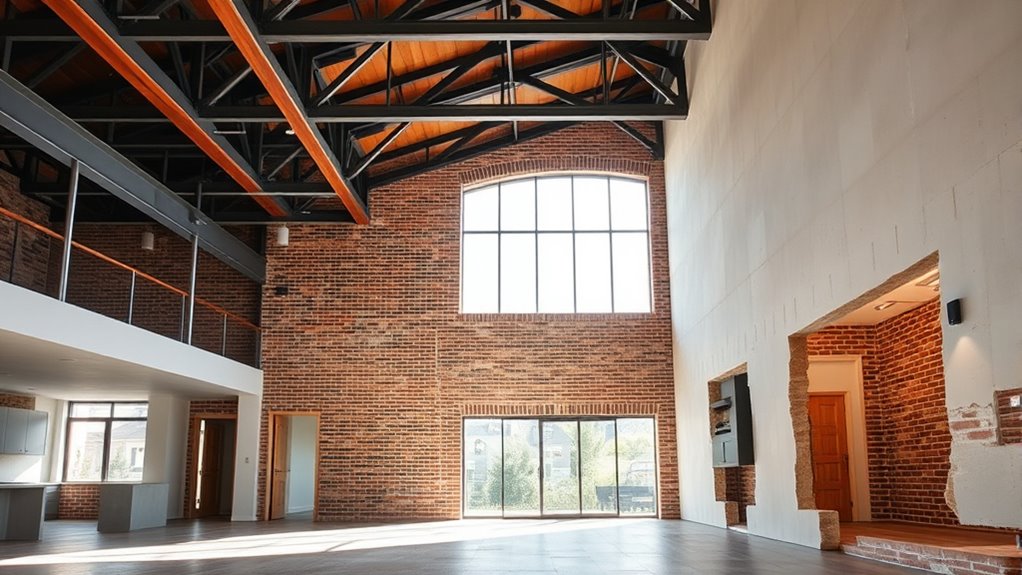
When considering structural wall openings, understanding the available options and their associated costs is vital for guaranteeing safety, functionality, and adherence to building codes. Structural wall openings typically involve removing or modifying load-bearing walls, which requires careful assessment and planning. The primary concern is maintaining the structural integrity of the building while achieving your desired space configuration. To do this effectively, you need to choose the right type of support system, which directly influences both safety and cost.
Understanding options and costs for structural wall openings ensures safety and code compliance.
The most common method involves installing a temporary shoring system before cutting into the load-bearing wall. Temporary shoring stabilizes the structure during the removal process, preventing any collapse or damage. Once the opening is created, a permanent support element, such as a steel or laminated veneer lumber (LVL) beam, is installed to bear the load previously supported by the wall. The size and material of this beam depend on the wall’s load, span, and the building’s design specifications. Steel beams tend to be more expensive but offer higher strength and durability, whereas LVL beams are cost-effective and easier to install but may have limitations on span length.
The process also involves precise measurements, cutting, and installation, which require skilled labor. Expect costs to include not only the materials but also labor, permits, and potential structural analysis or engineering reports. Structural engineers often need to evaluate the existing wall and design a support system that complies with local codes, which can add to your overall expenses. Costs can vary widely depending on the complexity of the opening, the size of the span, and the type of building. For small, non-load-bearing modifications, the process is straightforward and less costly; however, for large or load-bearing walls, the price increases markedly due to the need for more substantial support systems and detailed engineering.
In addition to the materials and labor, you should also budget for potential finishing work such as drywall, framing, insulation, and painting, which are necessary to restore the wall’s appearance after the structural modifications. Permitting is another critical factor; most jurisdictions require permits for load-bearing wall modifications, which may involve inspections and additional fees. These costs are variable but are vital to guarantee your project complies with safety standards and building codes. Furthermore, understanding structural support options and their implications helps you make more informed decisions and avoid costly mistakes. Overall, understanding these components helps you plan adequately, avoid surprises, and make informed decisions about your wall opening project.
steel support beams for load-bearing walls
As an affiliate, we earn on qualifying purchases.
As an affiliate, we earn on qualifying purchases.
Frequently Asked Questions
Can I Open a Load-Bearing Wall Without Professional Help?
You should not open a load-bearing wall without professional help. Removing or altering such a wall requires precise structural assessment, proper support installation like beams or columns, and adherence to local building codes. Attempting this yourself risks compromising your home’s stability, causing structural failure, or injury. Always consult a licensed structural engineer or a qualified contractor before proceeding, ensuring safety and compliance throughout the process.
How Long Does a Wall Opening Project Typically Take?
Opening a wall usually takes between 1 to 3 days, depending on its size, complexity, and whether it’s load-bearing. You’ll start with planning and permits, then proceed with demolition, reinforcement, and finishing touches. Expect a meticulous process that requires precise measurements and safety measures to prevent structural issues. Skipping professional help can cause delays that stretch into weeks, making it feel like an eternity for such a seemingly simple task.
Are There Specific Permits Required for Wall Removal?
Yes, you usually need permits for wall removal, especially if it’s a load-bearing wall. You should check with your local building department to determine specific requirements, which often include structural plans and engineer’s approval. Failing to obtain proper permits can lead to fines or code violations. It is crucial to submit an application, pay applicable fees, and wait for approval before starting work to ensure compliance and safety.
How Do I Choose the Best Opening Option for My Space?
To choose the best opening option, start by evaluating your space’s structural needs and layout goals. Measure the area accurately and consider load-bearing requirements, which influence whether a beam or column is necessary. Consult a structural engineer to assess potential impacts on stability. Compare options like full or partial openings based on your aesthetic preferences and functionality, guaranteeing compliance with building codes and permits. This thorough analysis ensures a safe, efficient, and visually appealing result.
What Are the Safety Considerations During Wall Removal?
During wall removal, you must guarantee safety by first identifying load-bearing walls with a structural engineer, as removing these can compromise your building’s integrity. Always turn off utilities, wear appropriate personal protective equipment, and use proper tools. Support the ceiling and adjacent walls with temporary braces before removal. Regularly inspect the work area for stability, and follow strict building codes to prevent accidents or collapses.
Conclusion
When selecting your wall opening options, consider not only structural requirements but also potential cost overlaps with unforeseen reinforcement needs. You might find that a seemingly simple beam installation coincides with additional support costs, highlighting the importance of thorough planning. Ultimately, understanding these nuances guarantees your project stays within budget and meets safety standards. Coincidentally, what begins as a straightforward wall modification often reveals hidden complexities—making expert assessment essential for precise cost estimation and successful execution.
Columbus Day / Indigenous Peoples' Day Picks
long weekend sales
As an affiliate, we earn on qualifying purchases.