TL;DR

Get furniture and decor delivered free with Prime
- Fast, free delivery on millions of items
- Prime Video, Amazon Music and more included
- Member-only deals all year
A Veranda report on Christmas decorating for 2026 highlights five approaches designers say they are seeing: old-fashioned details, handmade and sentimental pieces, nature-inspired decor, cozy textiles and decorations in overlooked rooms. The article presents these as designers’ observations and recommendations, not as measured consumer trends.
Designers interviewed by Veranda say Christmas decorating for 2026 is leaning toward nostalgic, personal details rather than coordinated, newly purchased decorations. The report identifies five approaches—meaningful older ornaments, handmade pieces, natural materials, cozy textiles and decorating overlooked spaces—as ideas for making holiday interiors feel more individual.
The first two approaches center on memory and making. Designers recommend displaying heirloom or collected ornaments with personal stories instead of relying only on matching sets, and bringing back handmade decorations such as paper chains, streamers and papier-mâché crafts. Jenna Randolph David of Grossmueller’s Design Consultants suggests framing family holiday photographs or children’s Christmas drawings as understated seasonal decor.
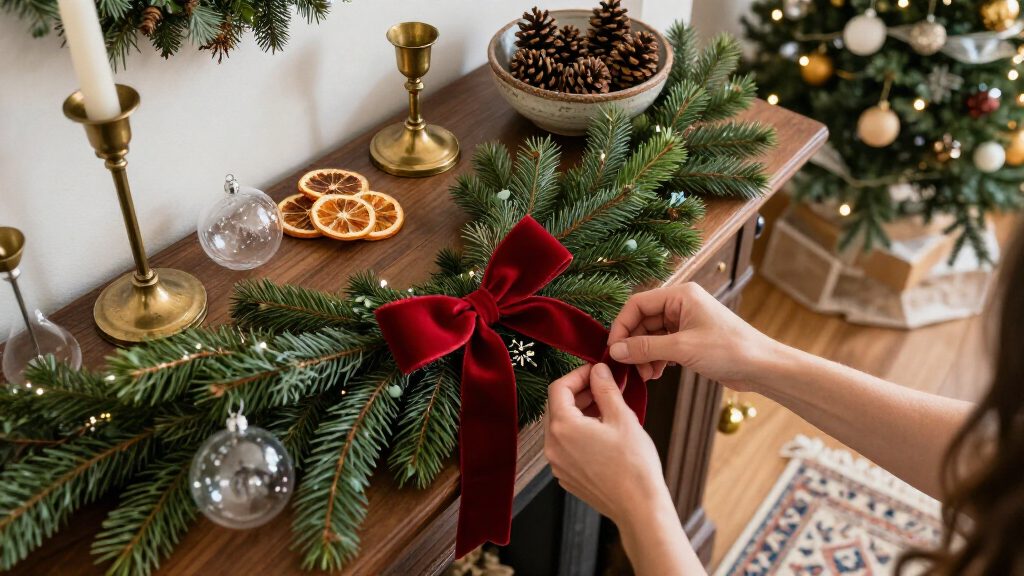
Nature-inspired materials form the third approach. The designers mention evergreen clippings, dried citrus, pine cones, sugared fruit and candles for mantels, tables and other displays. Kathryn O’Shea-Evans also describes using fir, cedar, orange and clove to create seasonal scents. These suggestions, the report says, can work without buying decorations made specifically for Christmas.
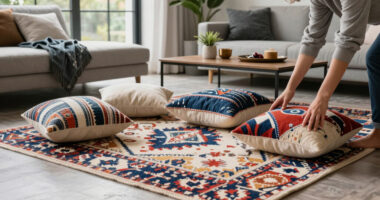
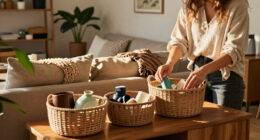
The remaining ideas extend the holiday atmosphere beyond the tree and main living areas. Designers suggest adding wool or velvet textiles, warm lighting and small accents to rooms that often receive less attention. Examples include seasonal hand towels or a candle in the bathroom, a small decoration in a home office, greenery on a picture frame, or a wreath on a window. The report frames these as recommendations, not as a formal ranking of consumer purchases or a survey of decorating behavior.
Personal Touches Replace Matched Sets
The recommendations offer a lower-key way to refresh holiday rooms: reuse objects with personal meaning, make simple decorations at home, and add greenery or textiles rather than replacing an entire scheme. That may appeal to people who want a festive setting without buying a large collection of new seasonal products.
The report also broadens where holiday decorating can happen. A small detail in a bathroom, hallway or home office can carry the seasonal mood into everyday spaces, while natural materials and warm lighting can create a winter feel before more explicitly Christmas-themed items appear. These are design judgments from the quoted professionals; the article does not provide sales figures or other data showing how widespread the approaches are.
As an affiliate, we earn on qualifying purchases.
A Return to Collected Holiday Decor
Veranda presents the 2026 ideas as a turn toward timeless details and family memories, rather than a new set of highly specific products. Its examples include ornaments collected over time, decorations made together and familiar natural elements such as evergreen branches and citrus.
The article’s five categories draw on comments from designers and design writers, including Anthony Gianacakos, founder of Anthony George Home; O’Shea-Evans, author of Merry & Chic; and David, an interiors director at Grossmueller’s Design Consultants. Their comments describe personal preferences and suggested practices, giving readers ideas rather than establishing a verified industry-wide trend forecast.
How Broad Is the Trend?
The report does not say how many designers were consulted overall, provide survey results, or quantify consumer interest in the five approaches. It is therefore not clear how widely these ideas are being adopted or whether they represent a broader shift in holiday decorating purchases. The article also offers no price comparisons or guidance on the availability of particular materials; its claims are attributed opinions and recommendations from design professionals.
Ideas to Watch This Holiday Season
The next practical test will come as households decorate for the 2026 Christmas season. Readers can use the designers’ suggestions as options—such as bringing out an older ornament collection, making paper crafts or adding evergreen to a room—while deciding what suits their homes and traditions.
Veranda’s report does not announce a product launch, event or follow-up research. Whether the featured approaches show up more widely in retail offerings or consumer decorating remains to be seen; the source provides no later milestone or adoption data.
Key Questions
What five Christmas decorating trends does the report identify?
It highlights old-fashioned details, sentimental and handmade pieces, nature-inspired decor, cozy textiles, and decorating less-used spaces such as bathrooms, hallways and home offices.
Are these trends backed by consumer survey data?
No survey results or adoption figures are provided. The article presents observations and recommendations from designers, not a measured account of what consumers are buying or doing.
What natural materials do the designers suggest?
Examples include evergreen branches, dried citrus, pine cones, sugared fruit and candles. O’Shea-Evans also mentions scents such as fir, cedar, orange and clove.
How can someone try these ideas without buying a full set of decorations?
The report suggests using meaningful ornaments already on hand, making paper chains or other crafts, gathering suitable greenery, or adding a seasonal throw, candle or small accent to an overlooked room.
Source: rss
Halloween Picks
halloween
As an affiliate, we earn on qualifying purchases.