TL;DR
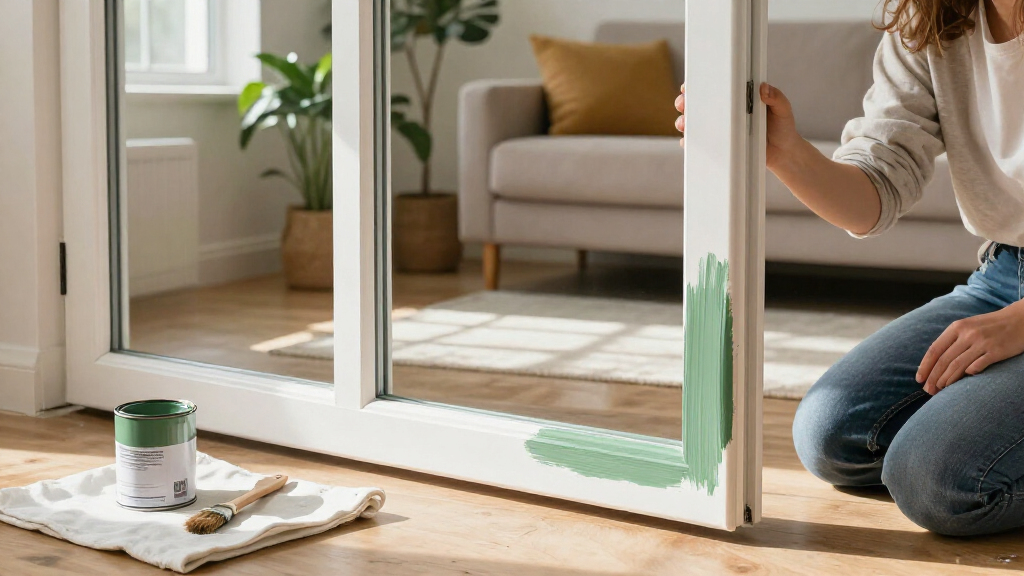
Interior designers are using painted window frames to add color, depth and definition to rooms without repainting every wall. Examples range from tonal woodwork and contrasting green frames to a decorative white outline for people who do not want to paint the frame itself.
Interior designers are treating window frames as part of a room’s color scheme, using paint and decorative details to add contrast, depth or a visual link to the outdoors. The examples, featured in a Livingetc design report, suggest painting frames can refresh a room without requiring a full-wall color change, though the report does not establish that every frame can be prepared and painted in one weekend.

Get furniture and decor delivered free with Prime
- Fast, free delivery on millions of items
- Prime Video, Amazon Music and more included
- Member-only deals all year
The projects show several ways to approach the idea. In a home office designed by Laura Stephens, a coral frame sits against a rich ochre scheme. Stephens says deeper tones on woodwork and decorative details can ground a room and define its architectural features while keeping the overall effect calm. The frame functions as a deliberate part of the palette rather than a neutral boundary around the glass.
Barbara Corley Blom takes a tonal approach, using related shades across rooms and deepening details such as doors, skirting boards and window frames. She says this can ground a palette and give the eye places to rest as it moves from room to room. In a bathroom designed by Ali Heath for Banchory Farm, green frames contrast with pink walls and ceiling; Farrow & Ball color curator Joa Studholme describes the green as a way to make the window stand out.
Other examples use frames to connect interior and exterior colors. In a project by Lonika Chande, a green window frame adds another color layer alongside oxblood joinery. Chande says it helps soften the visual shift between the room and the garden. For people who do not want to paint a frame, designer James Arkoulis of Howark Design added a white painted outline around a kitchen window, drawing inspiration from painted surrounds at Park Güell in Barcelona. The report notes this as an option for uPVC frames or for homeowners who prefer not to paint them.
Refresh a room with painted window frames
Designers use frame color to add contrast, depth, or a visual link to the outdoors—without repainting every wall.
Three ways to shape the palette
Choose a frame treatment to suit the room and the effect you want.
Make the window stand out
Green frames against pink walls create a clear focal point.
Deepen related tones
Tonal woodwork can ground a palette and define architectural details.
Echo the outdoors
A green frame can soften the visual shift between a room and its garden.
A frame can change the room’s feel
The featured designs show how color and detail can refresh a smaller surface.
- Coral against ochre adds a deliberate color layer.
- Green against pink makes the window a feature.
- Tonal woodwork gives the eye places to rest.
- A decorative white outline adds character around a kitchen window.
- The example offers an option for uPVC or for those who prefer not to paint the frame.
Plan around the actual surface
The report offers design inspiration, not a tested painting tutorial.
Decide whether the frame should contrast, coordinate, or connect to the view.
Material, condition, and existing finish affect the work required. Follow the product instructions.
Preparation and drying needs vary; the report does not verify a weekend schedule.
A Small Surface With Palette Impact
Window frames occupy a visible position between a room and its view, so changing their color can alter how both the architecture and the outdoors read. A deeper or contrasting shade can define the window as a feature; a related tone can blend it into the room’s wider scheme. The designers’ examples make the case for using this smaller surface to experiment with color without committing to repainting an entire space.
The approach also offers more than one level of commitment. A homeowner might choose a strong color on a timber frame, a quieter tonal finish, or a painted outline that adds detail without covering the frame itself. These are design possibilities, not evidence that a particular finish suits every window or room. The report provides no cost comparison, durability results or measured estimate of the time required.
Products Worth Considering

Bose Home Speaker 500 Smart Bluetooth Speaker, Black

Roborock Q7 M5+ Robot Vacuum and Mop with LiDAR Navigation and Self-Empty Dock

DREAME D20 Air Plus Robot Vacuum and Mop with Auto-Empty Dock
As an affiliate, we earn on qualifying purchases.
Five Ways Designers Use Frames
The featured work ranges from a coral frame in an ochre office to green trim against pink in a bathroom, and from tonal woodwork to a white decorative surround. Together, the examples illustrate a basic design choice: make the frame contrast, coordinate, or add a separate detail. The color can echo another feature in the room, deepen an existing palette, or draw attention to the view.
The report’s focus is visual inspiration rather than a step-by-step painting guide. It does not specify paint products for each frame, surface preparation, drying times or the tools needed. Its weekend framing should not be read as a verified schedule for every project: the time involved will depend on the frame material, condition, preparation and paint instructions.
“Choosing to use a deeper tone on woodwork and decorative details works particularly well because it gives the room a sense of grounding and gently frames architectural features without overpowering them.”
— Interior designer Laura Stephens
Timing and Surface Details Remain Open
The article presents design examples, not a tested do-it-yourself method. It does not confirm that painting window frames can reliably be completed in a weekend, nor does it set out a preparation sequence or product recommendations. The amount of work may vary with the frame’s material, condition and existing finish; readers should follow the paint manufacturer’s directions for the specific surface.
It is also unclear whether every paint color or finish shown in the project photographs is available or suitable for other homes and frame materials. The report offers one alternative for those with uPVC or reluctance to paint: a decorative white detail. It does not give instructions for applying that detail or assess how well it will hold up over time.
Plan the Finish Before Painting
Anyone adapting the idea can start by deciding whether the frame should contrast with the walls, match a related tone, or connect to the view. The designers’ projects offer visual reference points, but a paint choice should be assessed against the room’s existing colors and the frame’s material. Check product instructions and allow for the preparation and drying time they specify rather than assuming the work fits a fixed weekend schedule.
For uPVC or for anyone who would rather leave the frame untouched, the decorative-outline example offers a different direction. The report does not provide a detailed tutorial, so the exact method, materials and project timeline remain for readers to determine based on their window and chosen finish.
Source: rss
Key Questions
Can painting window frames refresh a room?
The designers’ examples show frames used to add contrast, depth or another color layer. The visual effect will depend on the room’s palette and the selected finish.
Can window frames be painted in a weekend?
The report does not verify a weekend completion time or provide a tested schedule. Preparation and drying requirements depend on the frame and paint, so follow the product instructions.
What if I have uPVC windows or do not want to paint the frame?
The report features a kitchen window with a decorative white painted outline as an alternative to painting the frame itself. It does not include application instructions.
Should the frame match the walls or contrast with them?
The featured projects use both approaches. Related tones can create a more coordinated scheme, while contrasting colors can make the window stand out or draw attention to the view.
Source: livingetc.com