TL;DR
Apartment Therapy writer Kelsey Mulvey reports that interior designers see common mistakes in the pursuit of timeless home decor: relying only on neutral colors, removing personal objects and imposing a style that conflicts with a home’s features. The designers recommend adding color and meaningful belongings while adapting inspiration to the space itself.
Apartment Therapy writer Kelsey Mulvey reports that interior designers are warning homeowners against treating neutral colors, generic decor and strict style formulas as requirements for a timeless home. Their advice is to make rooms more personal with color and meaningful objects, and to work with a home’s existing character rather than forcing a look onto it.

Get furniture and decor delivered free with Prime
- Fast, free delivery on millions of items
- Prime Video, Amazon Music and more included
- Member-only deals all year
The article describes traditional interiors, including English cottage influences and the style associated with filmmaker Nancy Meyers, as popular. It argues that enthusiasm for a “timeless” look can lead people to mistake restraint for a lack of personality. Jersey City designer Sydelle Reed says that playing it safe can strip character from a room; she believes a home should still make its occupants feel something.
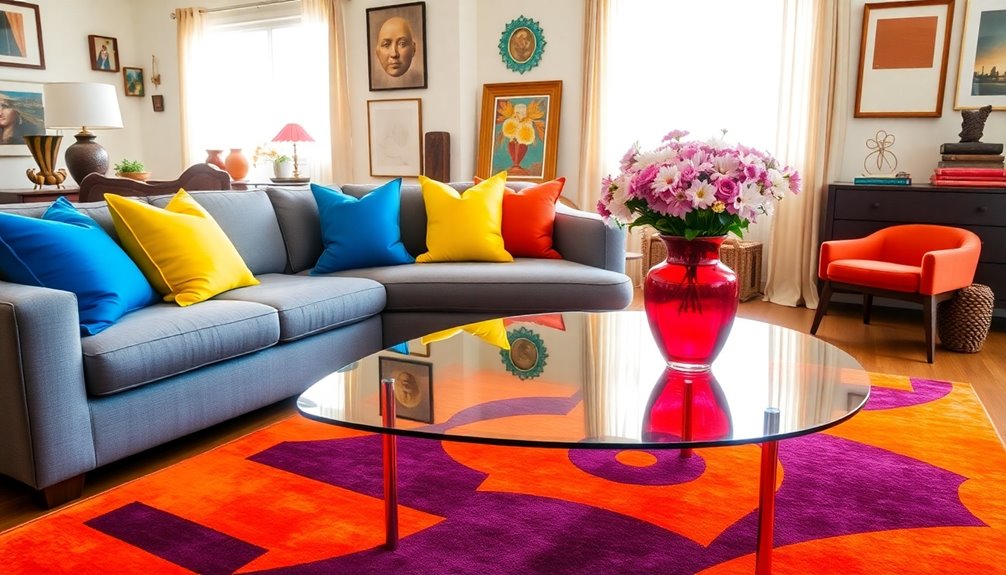
Designers also challenge the idea that a palette of cream, beige or greige automatically lasts longer. Liz Potarazu, based in Potomac, Maryland, says a room built from similar neutral shades can feel tied to a particular trend rather than independent of one. Dijana Savic-Jambert of MAREDI Design similarly says that removing color does not remove the risk of making a design choice that feels wrong.
The article recommends bringing in at least one stronger color, without requiring a fully color-saturated room. It also makes the case for keeping personal belongings, including collections, inherited pieces and unusual furniture, even when they do not follow a coordinated style. The third recommendation is to consider a home’s architectural features before adding details associated with a different style. Designers say copying traditional elements in a modern space can feel imposed rather than rooted in the home.
Does Your Timeless Home Feel Boring? Try These Ideas
Interior designers say a lasting-feeling home need not be all neutral or follow a strict style formula. Make it personal and work with the character of your space.
Three mistakes to avoid
A “timeless” look can lose its character when restraint becomes a rule.
Playing it too safe
An all-neutral palette can still feel tied to a trend. Consider a stronger color that feels right to you.
Removing meaningful things
Collections, inherited pieces and unusual furniture can make a room feel like home.
Forcing a different style
Details that conflict with a home’s architecture may feel imposed rather than rooted.
Make the choices yours
Start with what suits the people and the home.
Consider its existing architectural character before adding details.
A single stronger color can add personality without saturating the whole room.
Let personal belongings stay, even if they do not match a coordinated style.
Fit inspiration to the space
Traditional interiors, English cottage influences and rooms associated with Nancy Meyers can inspire ideas; adapt them to the home rather than copying a formula.
- Build on its existing features
- Choose objects with personal meaning
- Use colors that suit the occupants
- Beige, cream or greige only
- Every item must coordinate
- Traditional details in every home
Personality Beyond Neutral Decor
The advice addresses a practical design dilemma: homeowners may want rooms that will not feel dated quickly, yet may interpret that goal as a reason to avoid color, personal items or distinctive choices. The designers’ comments suggest that a room can look generic even when its pieces follow a popular idea of “classic” decor. Personal choices and a home’s existing features, rather than a single palette or period style, are presented as ways to make a space feel more individual.
For readers planning a redesign, the distinction matters because it shifts the question from “Will this trend last?” to whether the room suits the people living in it and the home itself. The article offers broad design guidance, not evidence that a particular color or furnishing will remain fashionable for a set number of years. Its central point is that avoiding every trend does not guarantee a lasting or satisfying interior.
Products Worth Considering

Coway Mighty Air Purifier AP-1512HH(W), White

Philips Hue Play Floor Lamp, RGBWWIC LED, 53 Inch, Black

Ring Wired Doorbell Pro (3rd Gen) and Indoor Cam Plus Bundle, White
As an affiliate, we earn on qualifying purchases.
How Designers Define Timelessness
The article appears amid interest in traditional interiors, including cozy cottage references and rooms associated with Nancy Meyers films. It does not say those styles are inherently timeless or unsuitable. Instead, it cautions against copying their visible features without considering whether they fit the home or the people who live there.
Three recurring mistakes organize the advice: relying on an all-neutral palette, leaving out personal objects and forcing architectural details or furnishings that conflict with a home’s character. Grace Rosenstein, founder and design principal of Atelier Roan in Westport, Connecticut, says a formulaic approach can make rooms predictable. The designers instead describe timelessness as personal and responsive to place, rather than adherence to one established look.
““‘Timeless’ can become an excuse to play it so safe that you take all the personality out of it.””
— Sydelle Reed, interior designer in Jersey City
Limits of the Design Advice
The article offers professional opinions and practical suggestions, not a measured test of which interiors remain appealing over time. It provides no survey data, pricing, product comparisons or guarantee that adding a bold color or personal object will suit every room. The designers’ recommendations are broad; the right choices depend on the home, its occupants and their preferences.
The supplied article text does not state a publication date, and it does not identify specific projects or before-and-after results for the advice. Readers should treat “timeless” as a design aim discussed by the quoted designers, not as a measurable promise about how a room will look in 50 years.
Applying the Ideas at Home
The article’s next step for homeowners is to assess a room before buying or adding features: note its existing architectural character, decide which colors feel personal, and identify objects with meaning. The designers do not prescribe a specific palette or shopping list, so readers can apply the ideas at different scales, from introducing one accent color to retaining an inherited chair.
There is no announced follow-up, product launch or scheduled design milestone in the article. The practical test is whether a chosen update reflects the occupants and works with the home’s features, rather than whether it recreates a particular trend. Future appeal remains a matter of judgment, not a result promised by the designers.
Key Questions
Does a timeless home have to use neutral colors?
No. The designers quoted by Apartment Therapy say neutrals are not a requirement for a lasting look. The article suggests adding a stronger color to a neutral palette if it better reflects the people who live there.
Can personal collections and inherited furniture fit a timeless interior?
Yes. The designers say personal objects can give a home character. Reed specifically supports keeping an inherited piece even if it does not match the rest of the room.
Should homeowners add traditional molding to a modern home?
The article advises looking at the home’s existing features before adding architectural details. Reed says molding is a choice, not a guarantee of longevity, and Savic-Jambert cautions against fighting a home’s character.
What is the article’s main advice for avoiding a bland home?
Make design choices that reflect the occupants, consider color and personal belongings, and adapt style inspiration to the home rather than following a formula.
Source: apartmenttherapy.com