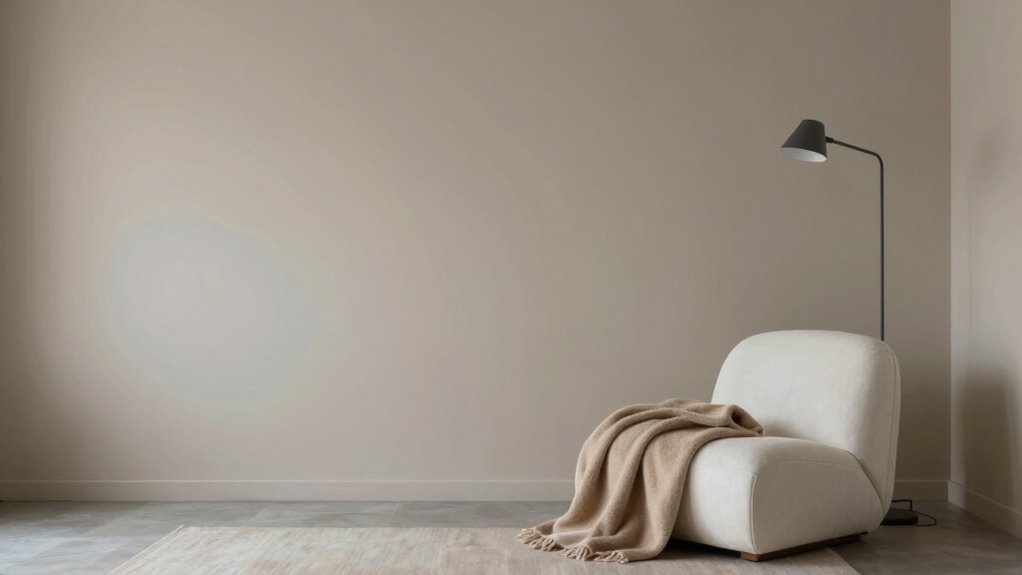

Your neutral room may feel cold because of lack of warmth from textures, personal touches, and cozy lighting. When you overuse plain colors and neglect layering fabrics or adding meaningful decor, the space becomes sterile and flat. Incorporating warm textures like rugs, cushions, and natural materials, along with soft, warm lighting, can instantly make your room more inviting. Keep exploring to discover practical tips to create a warm, personalized living space.
Key Takeaways
- Overusing cool, neutral shades like gray and beige can create a sterile, cold atmosphere if not balanced with warm textures and accents.
- Lack of personal touches, such as artwork or meaningful decor, makes neutral spaces feel impersonal and uninviting.
- Insufficient layered lighting or cool artificial light sources can diminish warmth, making the room feel colder.
- Failing to incorporate warm textures like plush throws, rugs, and natural materials results in a flat, uninviting environment.
- Maintaining a minimalist, monochrome look without adding varied textures or color accents can cause the space to appear dull and cold.

DEGNJU A19 LED Light Bulbs, 60 Watt Equivalent LED Bulbs, Soft White 2700K, 800 Lumens, E26 Standard Base, Non-Dimmable, 8W Warm White LED Bulbs for Bedroom Living Room, 3 Pack
【Energy Efficient & Cost-saving】Adopting energy-efficient LED chips, DEGNJU A19 LED light bulbs offer the same brightness as traditional…
As an affiliate, we earn on qualifying purchases.
As an affiliate, we earn on qualifying purchases.
Why Neutral Rooms Feel Cold: And How to Warm Them Up
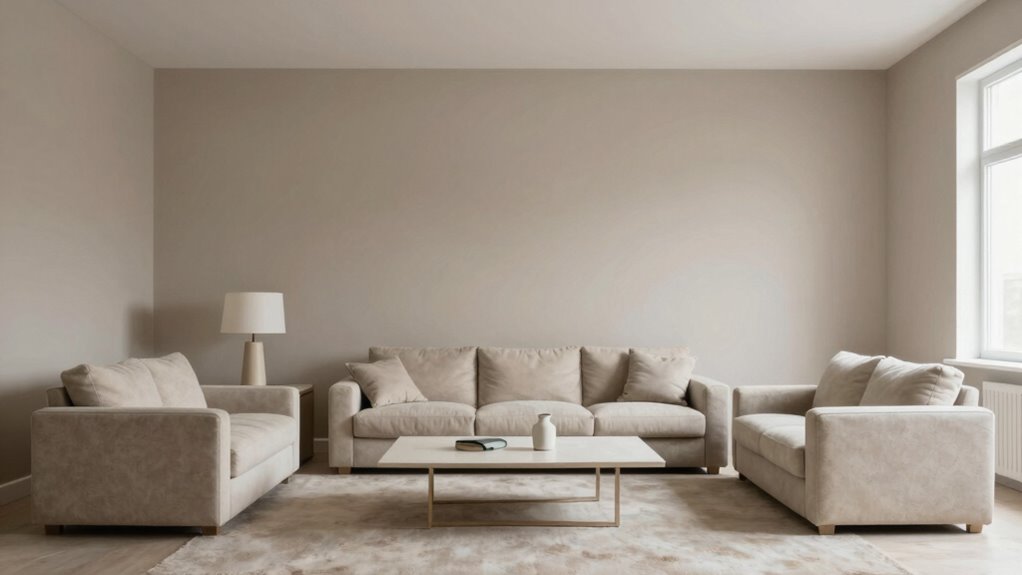
Neutral rooms often feel cold because they lack the warmth of bold colors and personal touches. The way artificial lighting is used can also contribute to this chilly feeling, especially if it’s harsh or too cool in tone. Color psychology shows that cool shades like beige, gray, and taupe can evoke a sense of distance and sterility if not balanced properly. To warm up your space, consider switching to warmer artificial lighting options, such as soft yellow bulbs, which create a cozy atmosphere. Additionally, introducing warm accent colors—like terracotta, caramel, or warm whites—can help counteract the coldness of neutrals. Incorporating elements like Free Floating decor or natural materials such as wood and textiles further enhances warmth and invites comfort. Choosing lighting temperature carefully can make a significant difference in how inviting your room feels. Adjusting your ambient lighting can also influence the overall mood and comfort of the space. Properly balancing lighting and color can transform your room into an inviting, comfortable retreat, especially when considering how artificial lighting impacts the perception of warmth.

EXQ Home Fleece Throw Blanket for Couch or Bed – 3D Imitation Turtle Shell Jacquard Decorative Blankets – Cozy Soft Lightweight Fuzzy Flannel Blanket Suitable for All Seasons(50"×60",Beige)
High Quality &Soft: EXQ Home fleece blankets are made from 100% microfiber polyester,which is superior quality and long-lasting…
As an affiliate, we earn on qualifying purchases.
As an affiliate, we earn on qualifying purchases.
Avoid These Decorating Mistakes That Make Your Space Feel Impersonal
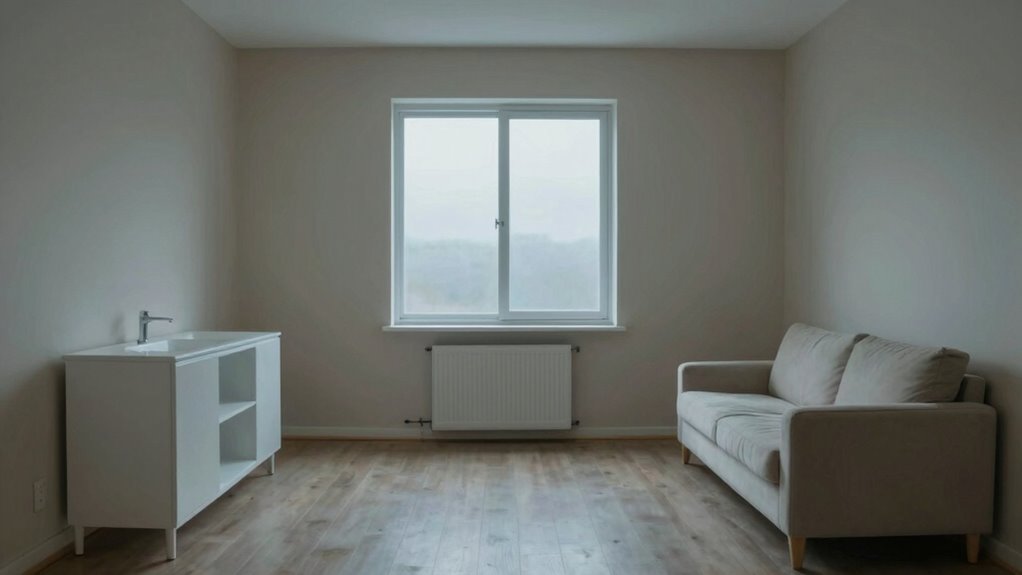
Using only neutral palettes can make your space feel flat and uninspired. Ignoring personal touches leaves your room feeling cold and impersonal. Without warm textures, your decor may lack the inviting feel you’re aiming for. Incorporating interior design tips such as adding textured fabrics and meaningful decor pieces can help create a cozy and welcoming atmosphere. Paying attention to art placement and selection can also significantly enhance the warmth and personality of your space. Additionally, understanding lighting techniques can help you highlight your decor and create a more inviting environment. Focusing on creating visual interest through varied textures and layered lighting can further elevate your room’s warmth.
Overusing Neutral Palettes
While a neutral palette can create a calm and sophisticated look, overdoing it can make your space feel cold and impersonal. Relying too heavily on shades of beige, gray, and white can lead to monochrome monotony, where everything blends together and lacks visual interest. This creates bland brightness that doesn’t evoke warmth or personality. Without contrast or variety, your room may feel sterile and uninspired, making it hard to relax. To avoid this, incorporate textures, subtle color variations, and decorative accents that add depth. Small touches like warm wood tones or soft textiles can break up the monotony and make your space more inviting. Remember, balance is key—too much neutrality can diminish the warmth and character you want in your home. Additionally, understanding color psychology can help you choose hues that promote comfort and coziness.
Ignoring Personal Touches
Focusing too much on uniformity can make your space feel sterile and disconnected from your personality. Without personal touches, your room lacks an emotional connection, making it feel cold and uninviting. To warm up your space, consider adding:
- Family photos or artwork that reflect your personality
- Favorite books or cherished keepsakes on shelves
- Unique decor items that showcase your style
- Handmade or sentimental pieces that tell your story
These personal touches create warmth and a sense of belonging. They break up the monotony of neutral tones and add depth to your decor. Remember, a space that feels personal invites comfort and emotional connection, transforming a cold room into a welcoming retreat. Additionally, incorporating color accuracy and personalized decor and cultural beliefs surrounding personalized decor can enhance the warmth and character of your space.
Neglecting Warm Textures
Neglecting warm textures can make your room feel flat and uninviting, even if you’ve chosen the right colors and furniture. Without textural contrast, your space lacks depth and warmth. Incorporate fabric choices like plush throws, soft cushions, or cozy rugs to add dimension. These textures invite touch and create visual interest, balancing out the cooler tones. Avoid overly sleek or shiny surfaces that can enhance a sterile feel. Instead, layer different fabrics and materials to foster a welcoming atmosphere. Warm textures help your neutral room feel more intimate and lively, transforming it from cold and impersonal to cozy and inviting. Small changes like adding a textured blanket or a woven basket can make a significant difference in how warm and inviting your space appears. Additionally, understanding the importance of protecting your investments can inspire you to choose quality textures that last and enhance your room’s comfort. Incorporating textural contrast not only improves visual appeal but also contributes to better indoor air quality by encouraging a more inviting, less sterile environment. Using appropriate materials can also help you achieve a balanced and harmonious look that supports a cozy ambiance. Choosing durable fabrics ensures that your decorative elements maintain their appeal over time, adding to the overall warmth of the space. Being mindful of proper aero guard maintenance dos and don’ts can help you keep your environment fresh, supporting a healthier, more inviting atmosphere.
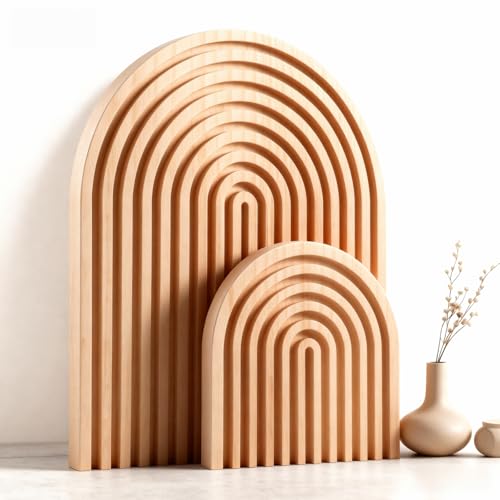
Nawwoo 2 Pcs Natural Wood Arch Decor, Boho Shelf & Serving Board for Fireplace Mantel, Kitchen Counter – Light Pine Finish, Scandinavian & Japandi Style Aesthetic Accents for Living Room, Home Office
1. Natural Wood Tone & Versatile Use Enhance your space with the warm, natural beauty of raw pine…
As an affiliate, we earn on qualifying purchases.
As an affiliate, we earn on qualifying purchases.
Layer Textures and Materials to Add Coziness
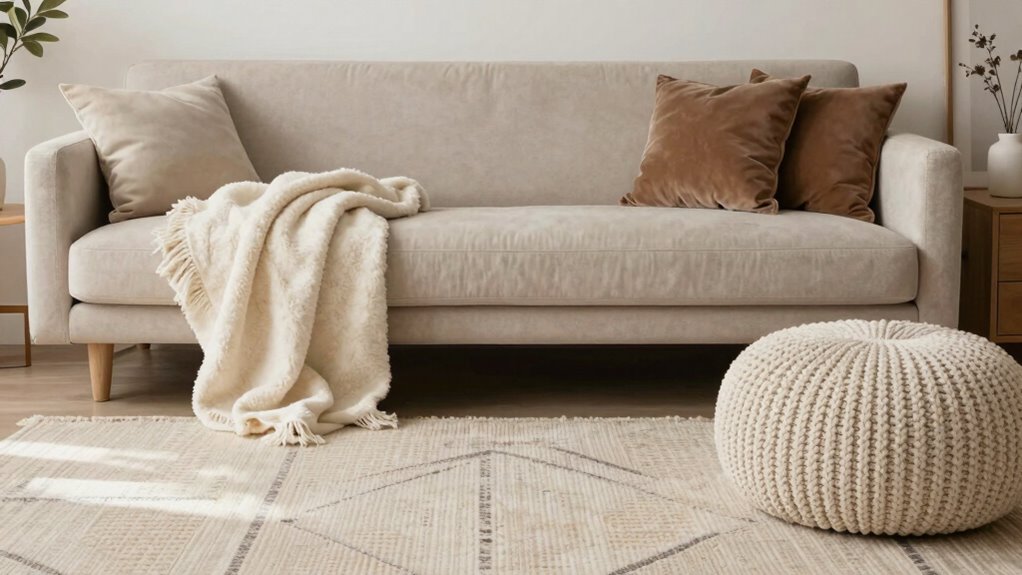
Adding layers of textures and varied materials instantly makes a room feel warmer and more inviting. Incorporate layered textiles and tactile materials to create depth and comfort. Consider these options:
- Plush throws and cushions—soft fabrics that invite touch and add visual warmth.
- Rugs with different textures—coarse, shaggy, or woven styles break up the coolness of bare floors.
- Upholstered furniture—fabric or velvet pieces add tactile richness.
- Natural materials—wood, jute, or rattan introduce organic warmth and texture.
Mixing these elements creates a cozy environment, making your neutral room feel less stark and more inviting. Focus on tactile materials that encourage touch and layered textiles for visual depth. This simple approach transforms cold spaces into warm retreats.

LANANAS Neutral Couch Throw Pillow Covers 18×18 Inch Set of 4 Decorative Farmhouse Boho Throw Pillows for Living Room, Couch, Bed, Sofa Soft Corduroy Accent Home Decor (Neutral Brown, 18×18 Inch)
COVERS ONLY.
As an affiliate, we earn on qualifying purchases.
As an affiliate, we earn on qualifying purchases.
Use Color Accents to Make Your Neutral Room Inviting
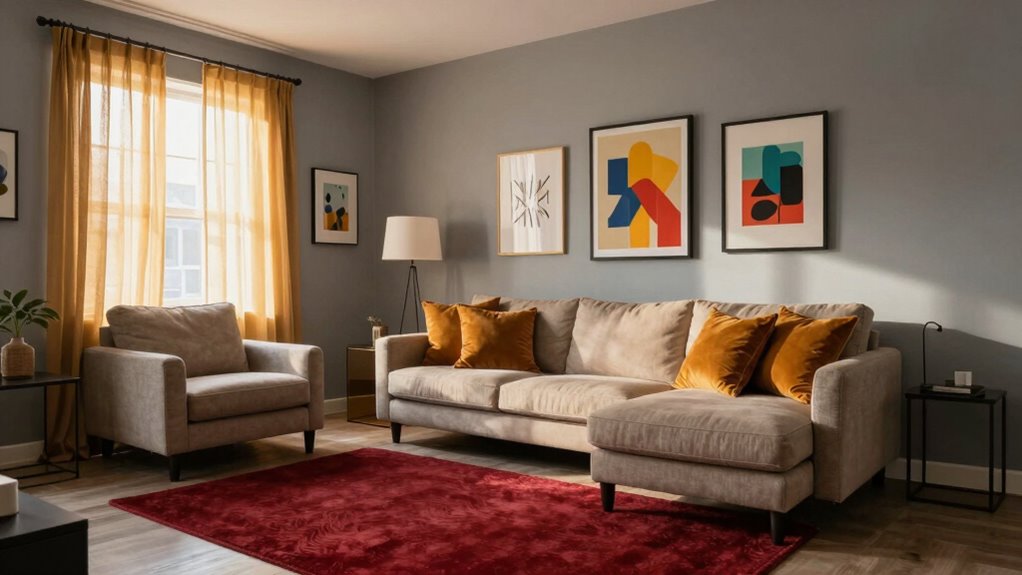
To make your neutral room feel more inviting, introducing strategic color accents can make a significant difference. Color contrast draws the eye and adds visual interest, preventing the space from feeling dull or cold. Use accent accessories like throw pillows, art, or vases in warm or vibrant hues to create a welcoming atmosphere. These small touches break up the neutral palette and add personality. Focus on contrasting colors that complement your existing decor to achieve a balanced look. Remember, the goal is to enhance warmth and comfort, so choose shades that evoke cozy feelings. Incorporating color psychology can help you select hues that promote a sense of coziness and relaxation. Additionally, understanding color schemes can guide you in creating a harmonious and inviting space. When selecting your accents, paying attention to color harmony can ensure your choices work cohesively. Exploring interior design principles can further refine your approach to creating a warm and welcoming environment. Incorporating elements like warm color tones can amplify the cozy atmosphere and make your space feel more intimate.
Create Warmth With Lighting Techniques
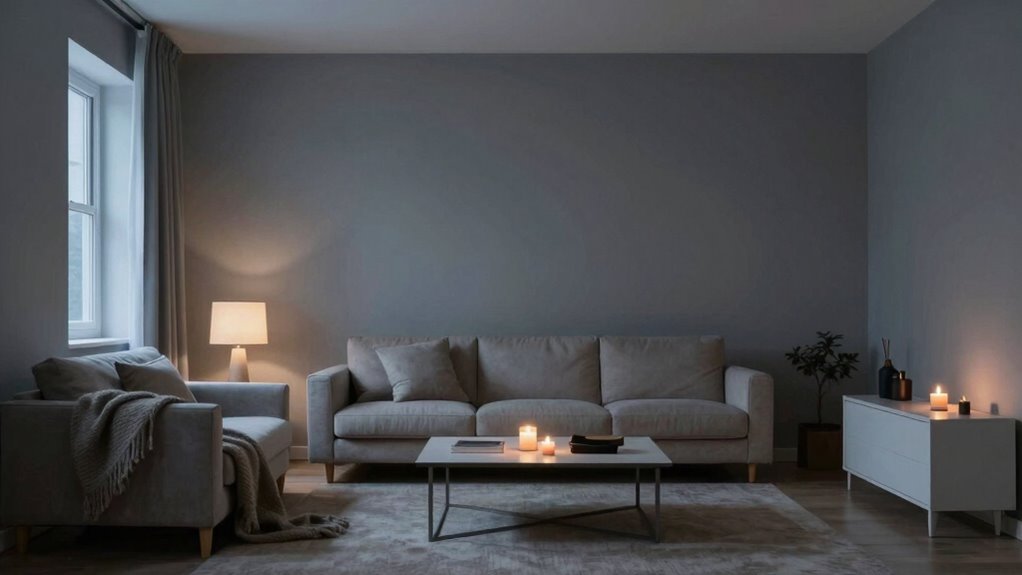
Lighting plays an essential role in transforming a cold, neutral room into a warm, inviting space. By carefully using lighting techniques, you can create a cozy atmosphere. Start with ambient illumination to softly fill the room with warm light, avoiding harsh overheads. Then, add focal lighting to highlight features like artwork or a reading nook. Consider these strategies:
- Use dimmable bulbs to control brightness and mood.
- Incorporate warm-colored LED lights for a cozy glow.
- Layer different light sources to add depth and dimension to your space.
- Place table or floor lamps strategically for targeted warmth.
- Proper lighting can also influence the perceived temperature and comfort of your space. Utilizing layered lighting can significantly enhance the warmth and ambiance of your room, making it feel more inviting. Additionally, understanding the color temperature of your bulbs helps in selecting the most soothing and warm illumination. These techniques help break the cold feel, making your room welcoming without clutter. Proper lighting invites comfort and enhances the overall ambiance of your space.
Balance Warmth and Personality Without Cluttering
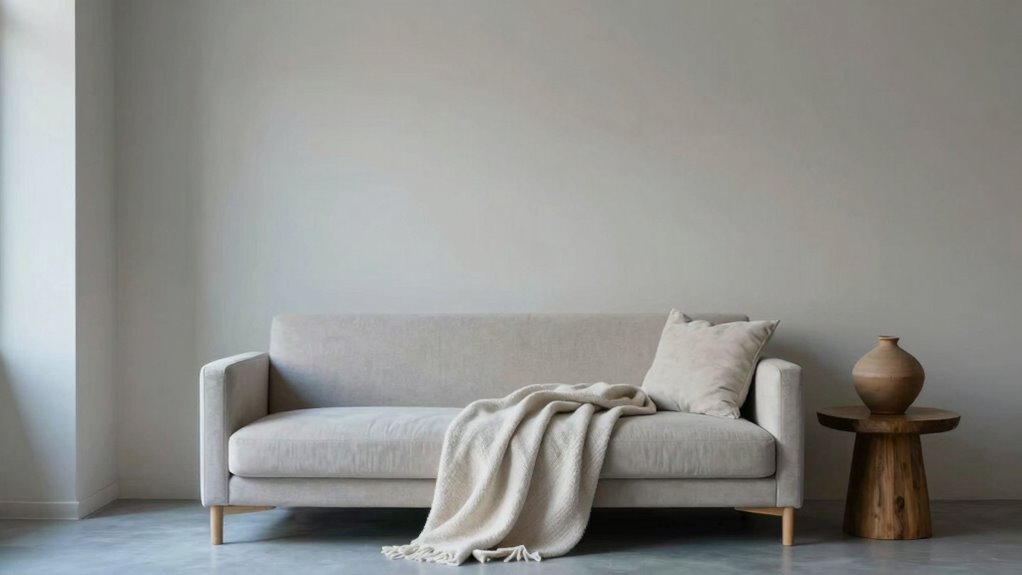
While well-placed lighting sets a warm tone, maintaining a balance between inviting ambiance and personal style guarantees your space feels lively rather than cluttered. To do this, focus on creating an artistic statement with key pieces that reflect your personality, like bold artwork or unique decor. Use functional zoning to organize areas—designate specific spots for relaxing, working, or entertaining—so your room feels intentional. Avoid overcrowding by choosing a few impactful items instead of filling every surface. Consider this table for guidance:
| Artistic Statement | Functional Zoning |
|---|---|
| Bold artwork or sculptures | Clear separation of activity zones |
| Statement rugs or textiles | Designated reading or work corners |
| Distinct color accents | Organized storage solutions |
| Unique lighting fixtures | Defined lounging areas |
| Personal collectibles | Visual flow without clutter |
This approach helps your room feel warm, personal, and uncluttered.
Frequently Asked Questions
How Can I Make My Neutral Room Feel More Welcoming?
To make your neutral room feel more welcoming, add warm artificial textiles like plush rugs, cozy throws, and soft cushions. Incorporate wall textures such as textured paint, wallpaper, or wood panels to add visual warmth and depth. Use warm lighting to enhance the cozy atmosphere, and select earthy or soft colors within your neutral palette. These elements create a inviting space that feels comfortable and personalized.
What Are Quick Fixes to Warm up a Cold-Looking Space?
To quickly warm up a cold-looking space, you should add layered textures and warm textiles. Throw in cozy throw blankets, plush cushions, and soft rugs to create visual warmth. Incorporate warm-toned accessories like amber or gold accents to enhance the inviting atmosphere. Don’t worry about clutter—strategic layering makes the room feel cozy instantly. These simple fixes transform your space into a welcoming haven in no time.
Which Colors Work Best as Accents in Neutral Rooms?
You should choose warm accent colors like deep reds, oranges, or mustard yellows for your neutral room. Complementary color schemes, such as blue with orange or purple with yellow, create vibrant contrasts that add warmth. Consider accent wall ideas like a bold, warm hue or textured wallpaper to make the space feel inviting. These choices bring lively energy and balance to your neutral palette, making the room feel cozy and welcoming.
How Do I Choose the Right Lighting for Warmth?
Imagine wrapping your room in a cozy glow—start by choosing lighting with a warm color temperature, around 2700K to 3000K, which mimics sunset hues. Use layered lighting to create inviting ambiance: combine soft overhead lights, warm-toned lamps, and accent lighting. This mix adds depth and warmth, transforming your neutral space into a welcoming haven. Adjust the lighting to match your mood, making your room feel instantly warmer and more inviting.
Can Furniture Placement Affect the Room’s Coziness?
Yes, furniture placement markedly affects your room’s coziness. By arranging furniture to create intimate seating areas and emphasizing a focal point, like a fireplace or artwork, you make the space feel inviting. Position your pieces to promote conversation and warmth, avoiding gaps that make the room feel sparse. Proper focal point placement draws the eye and anchors the space, enhancing its cozy atmosphere and making it more welcoming.
Conclusion
Think of your neutral room as a blank canvas waiting for life. When I added soft throw blankets and warm-colored accents, it felt like turning on a cozy fireplace on a chilly evening. Just like a gentle hug can melt away coldness, these small touches transform your space into an inviting sanctuary. Remember, your room’s warmth comes from the details you choose—so layer textures and add personal touches to make it truly yours.