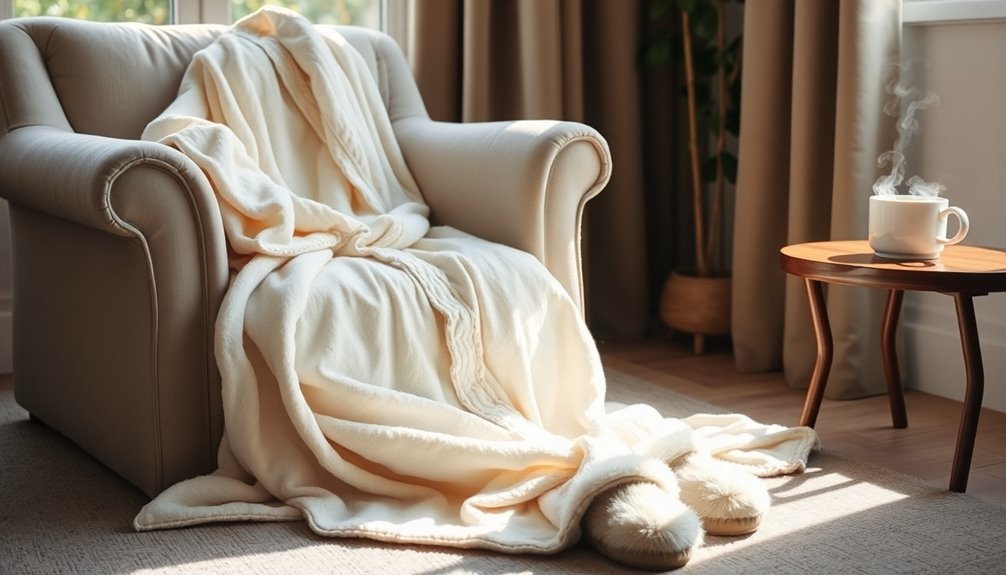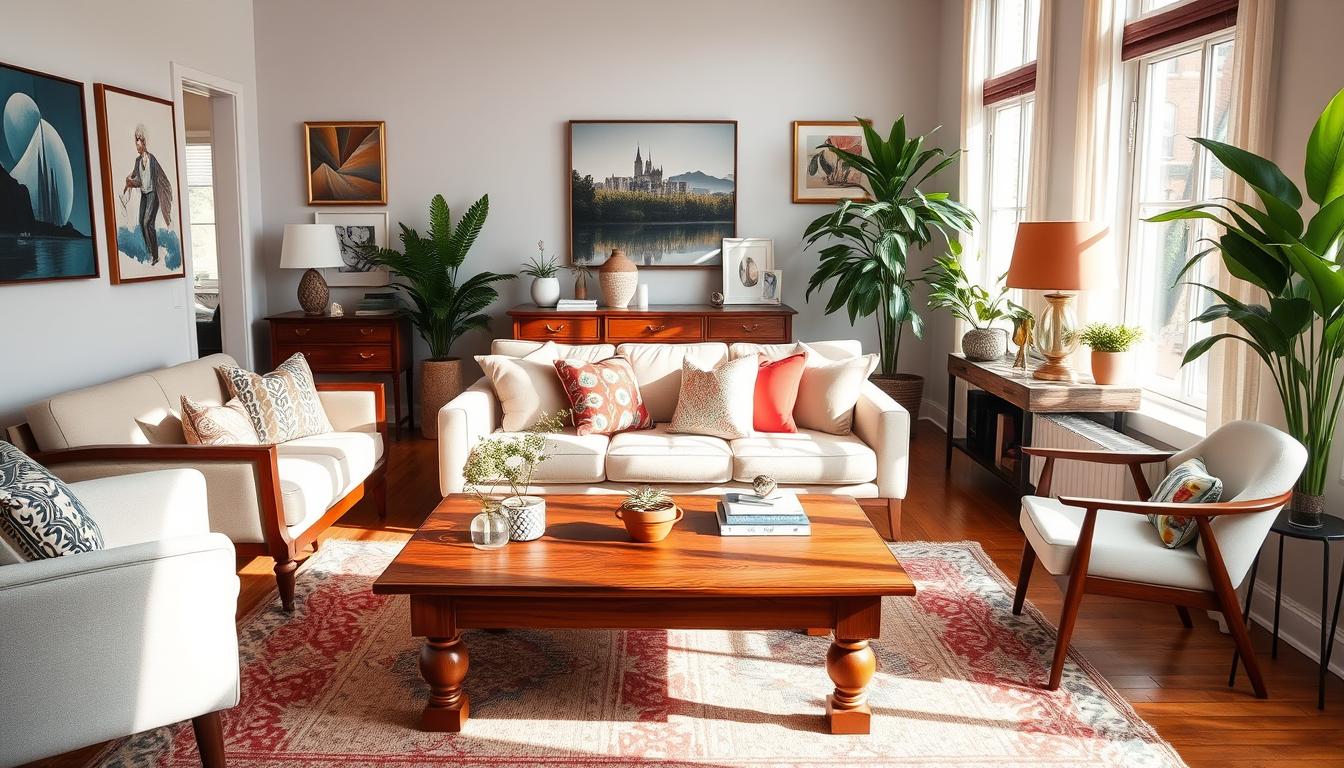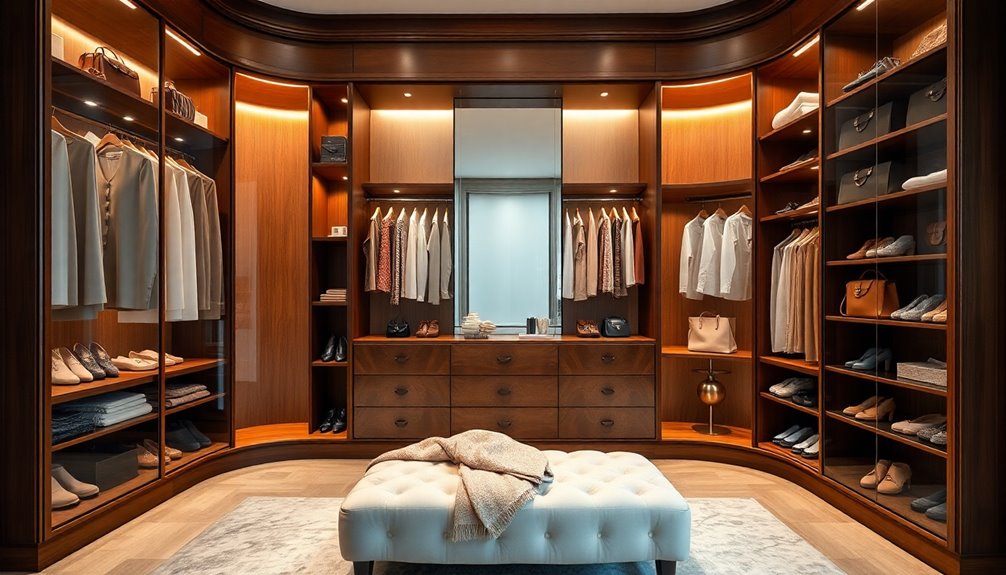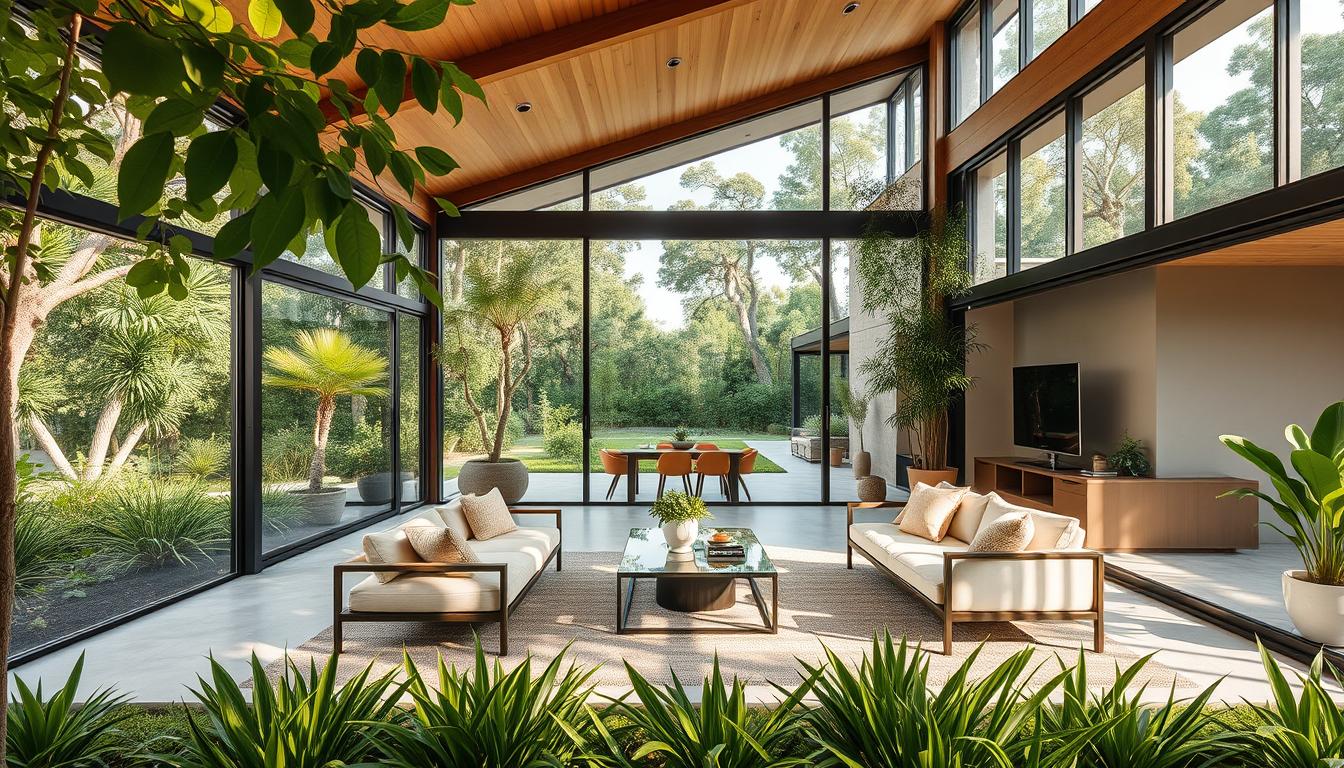
To craft a tone-on-tone palette that feels rich, focus on layering subtle variations of a single hue, such as warm taupe or charcoal, for depth and complexity. Incorporate textures like velvet cushions, wool throws, and reflective finishes to add tactile interest. Use warm, dimmable lighting to emphasize these nuances softly. Thoughtful accessories in slightly different shades and finishes create an elegant, harmonious environment that whispers luxury—continue exploring to uncover more subtle secrets of this sophisticated approach.
Key Takeaways
- Utilize a range of shades within the same color family to create depth and visual interest.
- Incorporate varied textures and finishes, like matte, velvet, and polished surfaces, to add tactile richness.
- Layer lighting strategically to highlight subtle hue differences and enhance the palette’s complexity.
- Select accessories and decor in slightly contrasting tones or materials to introduce nuanced variation.
- Focus on sophisticated, streamlined furniture and thoughtful details that elevate the overall sense of luxury.

Ever wondered how to create a space that feels sophisticated yet effortlessly cohesive? The answer lies in mastering tone-on-tone palettes—those nuanced layers of a single color that whisper rather than shout, elevating your decor with quiet elegance. Instead of relying on stark contrasts or bold statements, you weave depth and richness through subtle variations of one hue, crafting an environment that’s both harmonious and inviting. It’s about embracing the beauty of monochrome but with enough complexity to keep the eye engaged.
Create sophisticated spaces with subtle tone-on-tone layers that whisper elegance and invite quiet, harmonious refinement.
Imagine starting with a plush, matte taupe on your walls—warm and earthy, yet understated. Then, add layers by introducing textiles, such as velvet cushions or a cozy wool throw, in slightly darker or lighter shades of the same color. These textures create tactile interest without breaking the visual unity. When you select furniture, think sleek, streamlined silhouettes in surfaces that reflect light differently—perhaps a satin-finished coffee table paired with matte-finish side chairs. The interplay of textures and finishes adds richness, transforming what might seem monotonous into a tapestry of subtle sophistication.
Lighting plays a pivotal role here. Use warm, dimmable lighting to accentuate the variations in your palette. A well-placed table lamp with a softly tinted shade or a pendant fixture with a brushed metal finish can cast gentle shadows, emphasizing the depth of your chosen color family. This layered lighting adds an almost imperceptible shimmer that makes the space feel luxe without overt opulence. You want your room to whisper, not shout, and lighting helps fine-tune that delicate balance.
Don’t forget about accessories—artwork, ceramics, or even greenery. Choose pieces that echo the tone-on-tone theme but vary slightly in hue, texture, or material. A ceramic vase in a slightly darker shade, or a framed print with hints of the primary color, can serve as focal points that reinforce your cohesive palette. Keep clutter minimal; let each piece breathe and contribute to the overall harmony. When everything is thoughtfully curated, even a monochromatic scheme feels layered and compelling.
Additionally, incorporating textures and finishes that reflect light differently can deepen the richness of your monochrome palette. Ultimately, a tone-on-tone palette that still feels rich hinges on your attention to detail—how textures, finishes, and lighting interplay to create a space that’s calm, sophisticated, and full of subtle depth. It’s about celebrating the quiet power of a single color, allowing it to shine through nuanced variations that invite you to look closer, feel more at home, and appreciate the understated luxury that monochrome palettes can offer.
Top picks for "tone palett still"
Open Amazon search results for this keyword.
As an affiliate, we earn on qualifying purchases.
Frequently Asked Questions
How Do Tone-On-Tone Palettes Affect Room Lighting?
Tone-on-tone palettes subtly influence your room’s lighting by creating a seamless, sophisticated glow. Lighter shades reflect more light, making spaces feel airy and open, while darker hues absorb it, adding intimacy and depth. You’ll notice how carefully chosen shades can enhance natural daylight or artificial illumination, transforming your ambiance effortlessly. Embrace these subtle shifts to craft a space that feels both vibrant and cozy, all through nuanced color harmony.
Can Tone-On-Tone Palettes Suit Small Spaces?
Absolutely, tone-on-tone palettes work beautifully in small spaces, making them feel more expansive and cohesive. You’ll love how layering subtle shades adds depth without cluttering the eye. Use varied textures—matte, glossy, woven—to create visual interest and prevent monotony. Light-reflecting finishes bounce natural light, amplifying the room’s airy vibe. With careful contrast and strategic accents, your compact space will exude sophistication while feeling open and inviting.
What Furniture Styles Complement Tone-On-Tone Designs?
You should choose furniture with sleek, modern lines or vintage-inspired curves to complement tone-on-tone designs. Opt for pieces with subtle textures or matte finishes that add depth without overpowering the monochromatic palette. Incorporate layered materials like wood, velvet, and metal to create visual interest, while maintaining a cohesive look. This balance of style and texture enhances the richness of your space, making it feel both sophisticated and inviting.
How Do I Add Texture to Tone-On-Tone Interiors?
Think of your space as a symphony, each texture adding a unique note. To add depth, incorporate plush velvet cushions, woven rattan accents, or a shaggy rug that invites touch. Mix matte and glossy finishes on furniture, layer with soft throws, or introduce tactile materials like boucle or linen. These elements create visual and physical contrast, transforming your tone-on-tone palette into a lush, inviting haven that’s rich in both feel and style.
Are Tone-On-Tone Palettes Suitable for Modern or Traditional Themes?
Yes, tone-on-tone palettes suit both modern and traditional themes beautifully. For a sleek modern look, opt for crisp, monochromatic shades with clean lines and subtle textures that add depth. In traditional spaces, layering warm hues with intricate patterns and rich fabrics creates a cozy, timeless elegance. You can effortlessly adapt this approach, using varied finishes and materials to keep the palette lively and sophisticated across style boundaries.
Conclusion
Embrace the allure of tone-on-tone palettes—they’re more than just subtle shades; they’re a dance of depth and sophistication. When you layer rich hues with varying textures, you create a space that feels both lush and inviting. Believe it or not, the secret lies in the nuances: a slightly darker or lighter tone can transform a room’s energy. So, trust the theory that restraint plus contrast reveals a world of stylish, timeless elegance.