
TL;DR
A Livingetc report describes a design shift in bioethanol fireplaces, from early glass-heavy tabletop and wall-mounted models to more refined stoves and built-in architectural features. These appliances produce real flames without a chimney or flue, but they do not reproduce the crackle of burning wood, and key questions about heating performance and safe use remain outside the available report.
Bioethanol fireplaces have received a substantial design update, with newer models presented as more refined stoves and architectural features rather than the shiny, glass-heavy novelty units that shaped the category’s early reputation. A Livingetc report, drawing on comments from fireplace industry representatives, says the appliances still offer a real flame without a chimney or flue, giving homeowners and designers more placement options, though they do not reproduce every feature of a wood fire.

Get furniture and decor delivered free with Prime
- Fast, free delivery on millions of items
- Prime Video, Amazon Music and more included
- Member-only deals all year
The shift is apparent in both the appearance and intended role of the fireplaces. Richard Fewings, owner of Glowing Embers, recalled that early products were often inexpensive wall boxes or tabletop burners with thin blue flames. He said this contributed to their reputation as novelty items. Jon Butterworth, director at Arada, said newer designs use more restrained finishes, cleaner lines and proportions intended to make the flame, rather than the appliance, the focus.
Designers are also using the absence of a flue to integrate the fire into different settings. Daniel Sanders, director of Modus Fireplaces, described applications including suspended forms, plaster features, stone installations and garden pots. He said newer technology can support linear flames up to two metres long, realistic-looking log effects and app-controlled operation. These are industry descriptions of available design possibilities; the report does not provide independent testing or detail the range of products that offer each feature.
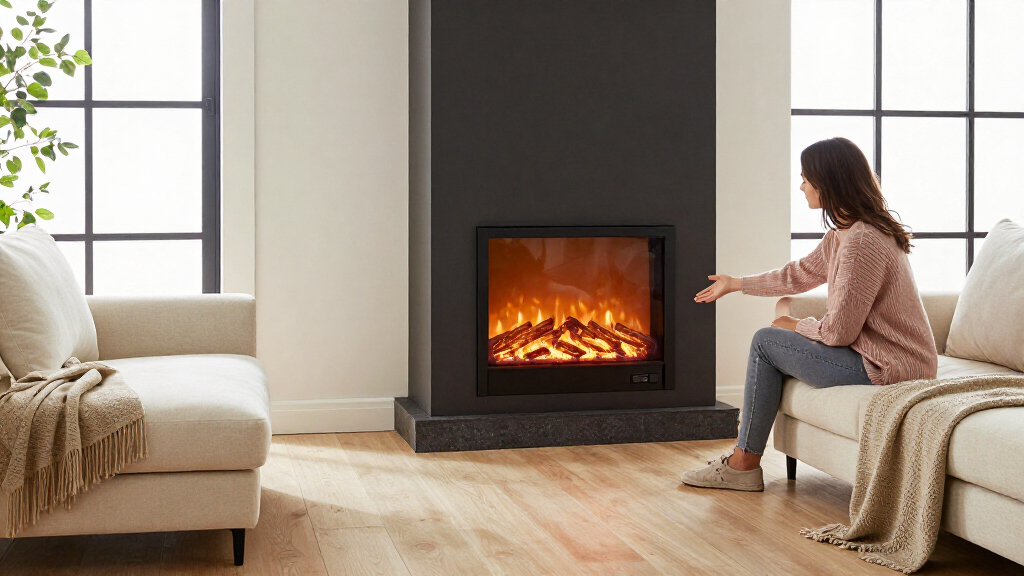
Bioethanol units burn fuel to create a genuine flame, rather than relying on LEDs to imitate one. The report says some current models take visual cues from traditional wood stoves, including glass-fronted doors, dark finishes and ceramic logs. Fewings said customers can have difficulty distinguishing some newer models from wood burners across a room. Butterworth cautioned that they still lack the crackling sound and changing appearance of burning logs, so the resemblance is not complete.
More Options Without a Flue
For households without a chimney, the design changes may broaden the choices for adding a visible flame to a room. A flueless appliance can be positioned without building a conventional chimney, and the reported range of freestanding, built-in and sculptural formats gives designers more ways to incorporate a fire into an interior. That may appeal to people seeking the look of a fireplace where installing a wood-burning system is impractical.
The distinction between a design feature and a primary heater matters. The source describes bioethanol fires as heat sources but does not establish how well particular models warm a room, what they cost to run, or how their performance compares with other systems. Buyers would need model-specific information before treating one as a substitute for central heating or a wood stove. The lack of a chimney also does not, by itself, establish that an appliance has no installation or operating requirements.
For renters and owners planning renovations, product placement and installation conditions can affect whether a model is suitable. The report points to flexibility as a selling point but does not address permissions, ventilation, fuel handling or local rules. Those details should be checked against the manufacturer’s instructions and applicable requirements rather than inferred from the no-flue design.
Products Worth Considering

LEVOIT Vital 200S-P Smart Air Purifier for Large Rooms up to 1875 ft², Quiet 27 dB Operation, AHAM Verifide, HEPA Sleep Mode, White

Samsung 65-Inch Class M70H Series 4K Mini LED Smart TV (2026)

Bose Lifestyle Ultra Soundbar and Ultra Subwoofer Bundle
As an affiliate, we earn on qualifying purchases.
From Novelty Burner to Feature
The original appeal of bioethanol fires was practical: they could create a flame without the chimney work, firewood storage and ash cleanup associated with a traditional wood-burning fireplace. According to the Livingetc report, early products often failed to match the atmosphere buyers wanted. Fewings described thin blue flames and basic wall or tabletop formats, while Butterworth characterized earlier designs as more futuristic and glass-heavy.
The newer direction combines familiar stove references with formats that would be difficult to achieve with a conventional chimney. Sanders said the category has moved beyond refillable fireboxes toward custom architectural applications. The report also lists product examples, including a stove-style unit advertised with a 3-kilowatt heat output and a 1.5-litre burner capacity described as providing up to four hours of burning. Those are product-specific figures reported in the source, not evidence of typical performance across the category.
The report’s focus is design and atmosphere, not a technical assessment of emissions, efficiency or safety. Its interviewees work in the fireplace industry, and their comments describe the sector’s development and product potential. Readers should treat claims about visual realism and heating as attributed views unless supported by specifications or independent testing.
“Early bioethanol fires were mostly cheap wall boxes and tabletop burners with a thin blue flame, and due to this they gained a bad reputation as a novelty item.”
— Richard Fewings, owner of Glowing Embers
Heating and Safety Details Missing
The report does not establish how much heat bioethanol fireplaces deliver across the market, how efficiently they use fuel, or what operating costs homeowners should expect. It includes advertised figures for selected products, but does not say whether those figures were independently tested or how they were measured. It also does not provide a direct comparison with wood, gas or electric appliances.
Details about ventilation, fuel storage, installation conditions, emissions and local requirements are not covered in the supplied material. The absence of a chimney should not be read as proof that every model can be used anywhere. Buyers should consult the manufacturer’s guidance and check applicable rules before choosing or operating an appliance. The source also offers no independent assessment of how closely the fires resemble wood burners in everyday use.
Check Specifications Before Buying
The report identifies a design trend rather than a scheduled industry announcement or regulatory milestone, and it gives no date for when the next developments will arrive. The practical next step for readers considering a unit is to compare specific models: verify fuel capacity, stated burn time and heat output, and ask how those figures were determined. They should also confirm installation and operating requirements with the manufacturer and any relevant local authority.
Further reporting would be needed to assess whether newer designs deliver reliable room heating, how their running costs compare with alternatives, and what safety or ventilation provisions apply to different models. Until that information is available, the clearest confirmed takeaway is narrower: the category’s designs have diversified, and the flames are real, but a no-chimney format does not make all models equivalent to conventional fireplaces.
Key Questions
Do bioethanol fireplaces need a chimney?
Bioethanol fires are flueless, according to the report, so they do not require a conventional chimney. That does not answer every installation question; check the specific product instructions and local requirements.
Do they produce real flames?
Yes. The report says bioethanol appliances burn fuel to create a real flame, not an LED imitation. Their flame does not reproduce the sound or changing appearance of burning logs.
Can a bioethanol fireplace heat a room?
The report describes them as heat sources and gives advertised output figures for some products, but it does not provide category-wide performance testing. Check the specifications for the individual model before relying on it for room heating.
What has changed in newer bioethanol fireplaces?
Industry representatives quoted by Livingetc describe more restrained finishes, stove-inspired designs and architectural installations, along with features such as long linear flames and app controls on some models.
Do bioethanol fires feel exactly like wood-burning fireplaces?
No. They can provide a genuine flame and, in some designs, a convincing stove appearance, but Arada director Jon Butterworth said they do not reproduce crackling sounds or the changing appearance of burning logs.
Source: livingetc.com