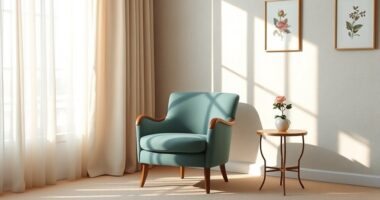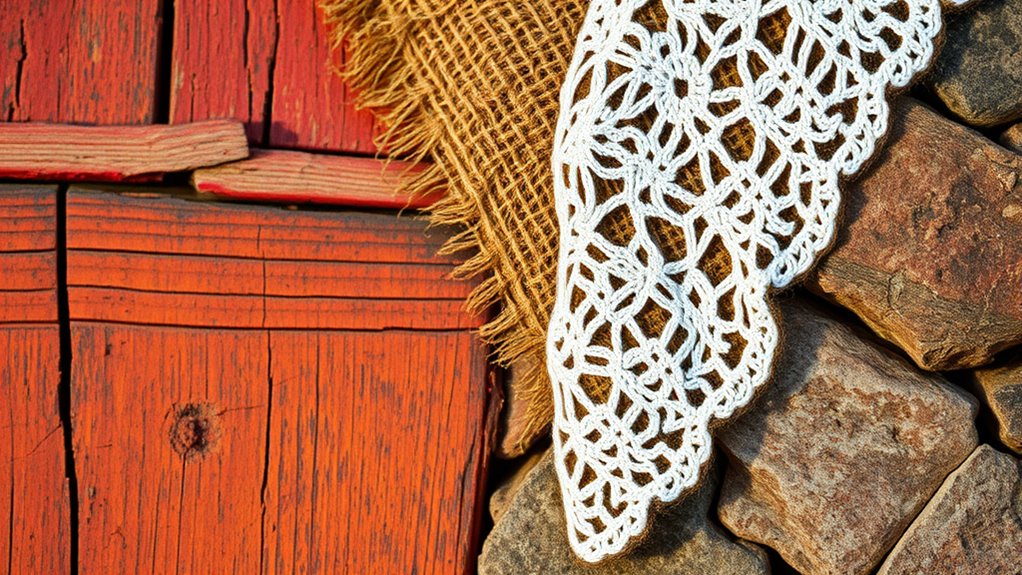

To create depth through layering textures, mix contrasting materials on walls, floors, and furniture to invite tactile curiosity. Incorporate plush rugs, sleek wood, or matte finishes with textured artwork or wallpaper, while adding textiles like cushions and throws for softness. Use lighting wisely to cast gentle shadows that highlight surface details. This interplay of materials, light, and carefully selected pieces makes your space feel alive and multidimensional. Keep exploring the details to open even more inspiring ideas.
Key Takeaways
- Use a mix of materials like plush textiles, rough wood, and sleek surfaces to create visual and tactile contrast.
- Layer different textiles such as cushions, throws, and curtains within a monochromatic palette for depth.
- Incorporate textured artwork, wallpaper, or wall coverings to add interest to large surfaces.
- Apply varied lighting—ambient, task, and accent—to cast shadows and highlight surface textures.
- Balance curated and organic elements to build a multidimensional, engaging space that invites exploration.
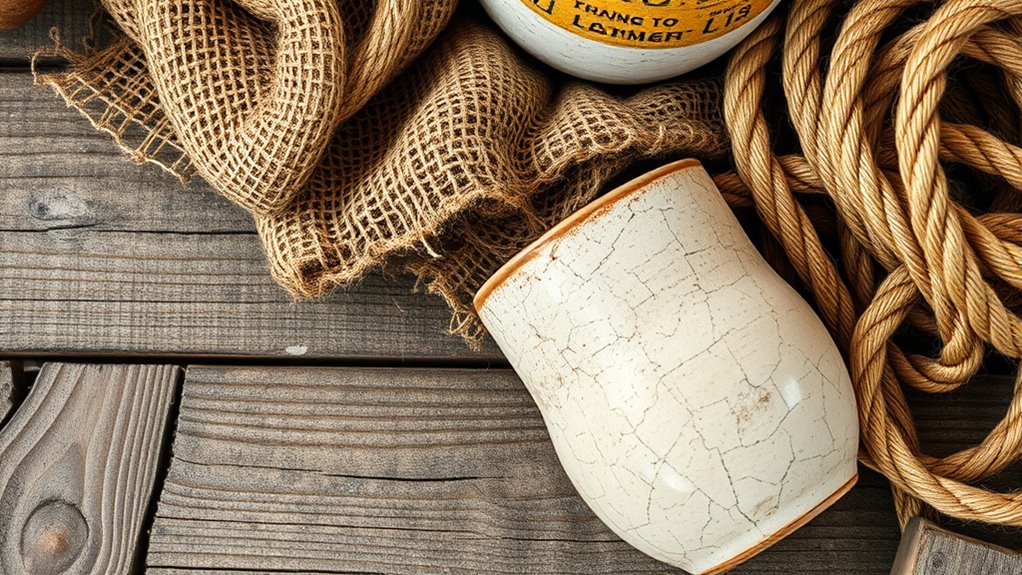
To create a mesmerizing space, layering textures is your secret weapon for adding depth and dimension. Imagine walking into a room where every surface invites you to explore, where subtle variations in fabric, material, and finish draw your eye deeper into the design. It’s about crafting a tactile journey—where smooth meets rough, shiny contrasts matte, and plush softens hard edges. You want your space to feel alive, rich with visual interest that keeps the eye moving and the mind engaged. This begins with understanding the power of juxtaposition; pairing sleek leather with cozy knits, glossy ceramics with rough-hewn wood, or silky curtains against textured rugs. These contrasts create a layered harmony that transforms a flat surface into a multidimensional landscape.
Start with foundational elements—walls, floors, and larger furniture pieces—and think of them as the canvas for your textured masterpiece. A matte-finish wall looks stark until you add a textured artwork or a tactile wallpaper, inviting a second layer of interest. On the floor, mix a plush rug with sleek hardwood or cool concrete to break the monotony and generate visual and physical warmth. Your furniture choices should reflect this same principle. Think velvet armchairs paired with woven side tables or a leather sofa layered with throw pillows in varied fabrics. The goal is to craft a conversation between materials, where each piece complements and enhances the others, creating a dynamic interplay that feels both curated and organic.
Layer walls, floors, and furniture for a textured, inviting, multidimensional space.
Incorporate textiles thoughtfully—curtains, cushions, throws—that invite touch and visual curiosity. Use different textures within the same color palette to deepen the aesthetic without overwhelming the senses. A monochromatic scheme benefits greatly from layered textures, as it provides richness without chaos. By choosing a mix of coarse and smooth fabrics, you introduce subtle complexity that’s felt rather than seen outright. Remember, in layering textures, sometimes less is more; select pieces that serve a purpose and allow the textures to shine through, avoiding clutter that can dilute the effect.
Lighting plays an essential role in enhancing these textures. Soft, warm lighting emphasizes the tactile qualities of fabrics and surfaces, casting gentle shadows that accentuate depth. Use a combination of ambient, task, and accent lighting to create pools of warmth and contrast that highlight the layered textures. When done intentionally, this interplay of light and material breathes life into your space, making every detail stand out, inviting you to linger and explore. Ultimately, layering textures is about crafting a space that feels multidimensional, where every touch and sight reveals new layers of beauty—a space that’s not just seen but experienced.
Frequently Asked Questions
How Do I Choose Contrasting Textures Without Clashing?
To choose contrasting textures without clashing, start by pairing smooth and rough elements intentionally. Think of combining sleek satin with tactile burlap or polished wood with rugged stone. Balance is key—use one dominant texture and accent it with a smaller dose of the contrasting one. Trust your eye, and don’t be afraid to experiment. When done thoughtfully, contrasting textures create visual interest while maintaining harmony and sophistication in your space.
Can Layering Textures Work in Small Spaces Effectively?
Layering textures can work beautifully in small spaces by adding visual interest without overwhelming. You can mix soft fabrics like plush cushions with sleek, matte surfaces to create contrast. Incorporate textured rugs, cozy throws, or patterned wallpaper carefully to keep the space feeling layered yet balanced. Use a focus point, like a statement wall or a textured piece of furniture, to anchor your design and prevent clutter, making the room feel rich and inviting.
What Are the Best Materials for Adding Depth Through Textures?
You should consider plush velvet, tactile boucle, and rich tapestry fabrics to add depth through textures. Combining matte and glossy surfaces, like a satin cushion paired with a nubby throw, creates visual interest. Incorporate natural materials such as rattan or woven seagrass for warmth. Mixing smooth and rough textures, like polished wood with textured ceramics, enhances dimensionality. Let your space breathe with layers that invite touch and curiosity.
How Do Lighting Choices Affect Textured Layered Decor?
Lighting choices transform textured layered decor into a living artwork, casting shadows that dance across surfaces and reveal intricate details. You can highlight rough burlap or smooth velvet by adjusting warm or cool light, creating contrasts that deepen visual interest. Soft, diffused lighting gently caresses textures, while direct beams carve out dimension. When you play with shadows and highlights, your decor becomes a dynamic landscape, inviting touch and exploration.
Are There Seasonal Considerations for Layering Textures?
Yes, seasonal considerations influence your texture layering choices. In winter, opt for plush, cozy fabrics like velvets and chunky knits to evoke warmth and comfort. Come summer, switch to lighter, breathable textures such as linen and cotton, creating a breezy, airy feel. You might even add seasonal accents like faux fur rugs or woven baskets for autumn. Tailoring your textures to each season keeps your space inviting and visually dynamic year-round.
Conclusion
By layering textures thoughtfully, you create a space that feels alive and inviting. Did you know that rooms with mixed textures can boost perceived comfort by up to 35%? So, don’t shy away from combining rough, smooth, soft, and sleek elements. When you play with depth through textures, your environment transforms into a tactile masterpiece—rich, dynamic, and uniquely yours. Embrace the process, and watch your space come alive with personality and warmth.