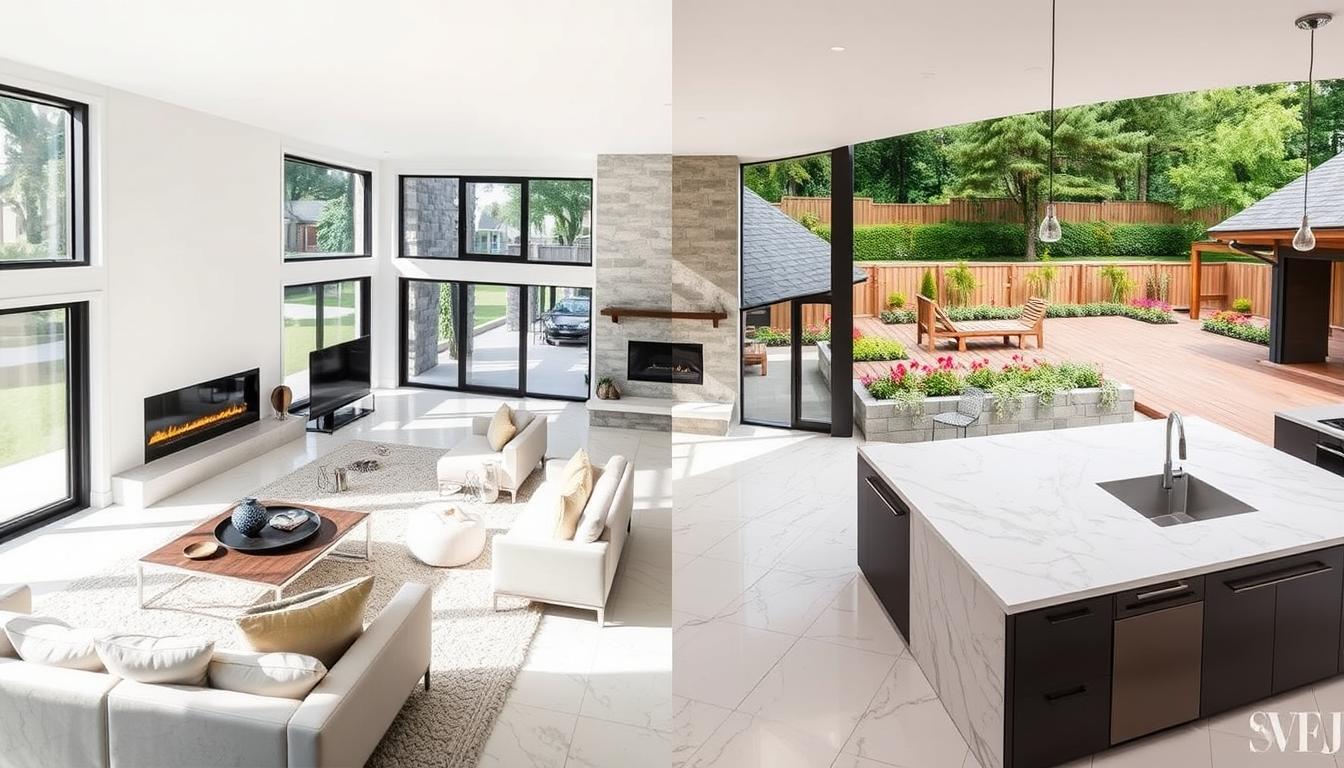
To foster cohesion across an open-plan workspace, you should balance spatial design, communication norms, and social practices. Position team members in shared zones to promote spontaneous interactions, while creating quiet areas for focused work. Establish clear visual cues and norms on noise and interruptions to enhance respect. Facilitate social activities and model openness to build trust. Integrating these strategies helps align collaboration with individual needs, and exploring these approaches further can optimize your workspace effectiveness.
Key Takeaways
- Foster informal social interactions through scheduled activities and shared amenities to build trust and sense of belonging.
- Designate shared zones for collaboration and quiet areas for focus, balancing spontaneity with individual work.
- Establish communication norms around noise and interruptions to maintain a respectful, productive environment.
- Promote openness and active listening in leadership to model behaviors that reinforce cohesion and psychological safety.
- Use visual cues, signage, and routines to clarify space usage, expectations, and shared organizational values.

Creating cohesion in an open-plan workspace presents unique challenges and opportunities, as the absence of physical barriers demands intentional strategies to foster collaboration and maintain focus. Without walls or cubicles to delineate space, your environment relies heavily on social and organizational cues to promote a cohesive atmosphere. To succeed, you need to understand how spatial arrangements, communication practices, and cultural norms influence interpersonal dynamics. Research indicates that open plans can enhance transparency and team connectivity, but they also risk increasing noise levels and distractions, which can undermine focus and productivity. Your task is to balance these factors intentionally, designing your workspace and routines to optimize both collaboration and concentration.
Balancing collaboration and focus is key to effective open-plan workspaces.
A key strategy involves deliberate spatial design. Positioning team members who work closely together within shared zones encourages spontaneous interaction, which can strengthen relationships and foster a sense of unity. Conversely, creating designated quiet areas or zones for individual work helps mitigate distractions and supports concentration. These spaces should be clearly marked and easily accessible, signaling to everyone that different types of work require different environments. Incorporating visual cues—such as color coding or signage—can reinforce purpose and boundaries without physical barriers, promoting a shared understanding of space utilization. Additionally, understanding effective use of eye patches can inform how to maintain focus and hydration, which are vital for sustaining productivity in open environments.
Effective communication practices are equally essential. Open plans demand a culture of transparency and respect, where team members are mindful of noise levels and interruptions. You should establish norms around the use of digital tools, like instant messaging or shared calendars, to coordinate interactions without disrupting others. Regular check-ins and briefings help maintain alignment and clarify expectations, ensuring that collaboration remains purposeful rather than intrusive. Encouraging a culture where feedback is openly shared can also strengthen cohesion, reinforcing collective goals and values.
Furthermore, fostering a sense of community requires intentional social engagement. You can facilitate this through scheduled team activities, informal gatherings, or shared amenities that promote casual interaction. These initiatives help build relationships beyond work tasks, cultivating trust and a shared identity. Cultivating psychological safety is essential; when team members feel comfortable expressing ideas and concerns without fear of judgment, cohesion naturally improves. This involves leadership modeling openness, active listening, and consistent recognition of contributions.
Ultimately, maintaining cohesion across an open-plan workspace hinges on your ability to orchestrate spatial arrangements, communication norms, and social practices intentionally. By aligning these elements with your team’s needs and organizational goals, you create an environment where collaboration flourishes without sacrificing individual focus. The challenge lies in ongoing adaptation—monitoring what works, addressing emerging issues, and refining your strategies—so that the open plan becomes a dynamic platform for cohesive, productive work.
open plan workspace shared zones
As an affiliate, we earn on qualifying purchases.
As an affiliate, we earn on qualifying purchases.
Frequently Asked Questions
How Does Open Plan Design Affect Privacy?
Open plan design reduces privacy by increasing noise levels and visual exposure, making it harder for you to concentrate or have confidential conversations. You might feel exposed or distracted, which can impact productivity and comfort. To mitigate this, incorporate sound-absorbing materials, designated quiet zones, or movable partitions. These strategies help balance openness with your need for privacy, enhancing overall functionality without sacrificing the benefits of an open layout.
What Are the Best Ways to Reduce Noise in Open Spaces?
You should incorporate sound-absorbing materials like acoustic panels or carpeting, which can reduce noise levels by up to 50%. Using strategic furniture placement, such as dividers or bookshelves, helps create visual and acoustic barriers. Additionally, implementing zoning and designated quiet areas minimizes disturbances. Research shows that these practical solutions substantially enhance focus and productivity, making open spaces more functional and less disruptive for everyone involved.
How Can Visual Cohesion Be Maintained Across Zones?
You can maintain visual cohesion across zones by establishing a unified design language, such as consistent color palettes, materials, and furniture styles. Use subtle shifts like shared flooring or cohesive signage to create visual links. Incorporate recurring design elements and maintain proportional scale across areas. This approach guarantees seamless visual flow, reducing disjointedness and fostering a sense of unity, which research shows enhances spatial perception and occupant comfort in open-plan environments.
What Role Does Furniture Placement Play in Fostering Cohesion?
Research shows that well-placed furniture can boost perceived cohesion by up to 40%. You can foster this by arranging seating and tables to create visual links between zones, like aligning furniture along shared lines or using consistent materials. Practical placement encourages interaction and flow, reducing fragmentation. By thoughtfully positioning furniture, you guide movement naturally and reinforce a unified aesthetic, making the entire open plan feel more connected and intentional.
Are There Specific Materials That Enhance a Sense of Unity?
Using consistent materials like wood, glass, or metal across your space boosts unity, as they create visual harmony and reinforce a cohesive aesthetic. Incorporate these materials in furniture, partitions, and accents to unify different zones. Research shows that repeating textures and finishes helps occupants perceive the space as interconnected. Practical application involves selecting durable, complementary materials that align with your design goals, ensuring a seamless and engaging open-plan environment.

Kisston 6 Pack Acoustic Desk Divider Desk Partition 24 x 24" Stand Up Freestanding Desk Privacy Panel Noise and Visual Distractions Reducing Table Divider for Student Reception Area Office(Dark Gray)
Adequate Quantity: we'll provide you with a 6 pack of gray desk dividers, so you can create separate…
As an affiliate, we earn on qualifying purchases.
As an affiliate, we earn on qualifying purchases.
Conclusion
In open plan spaces, cohesion depends on intentional design and social cues rather than mere proximity. Research suggests that fostering shared goals and encouraging communication enhances team unity. While some believe openness naturally boosts collaboration, studies show it can also cause distractions. By understanding these dynamics, you can implement strategies that promote genuine cohesion, balancing openness with structure. Ultimately, intentional effort and awareness are key to creating a truly connected, productive environment.

Employees Only 9×3 Inch, Acrylic Sign for Business Office Waterproof Self-Adhesive Plastic Signage for Door Wall 4 Pack
Easy to Install – This Employees Only (9×3 Inch 4 pack) sign is back adhesive, just clean the…
As an affiliate, we earn on qualifying purchases.
As an affiliate, we earn on qualifying purchases.
collaborative workspace amenities
As an affiliate, we earn on qualifying purchases.
As an affiliate, we earn on qualifying purchases.