TL;DR
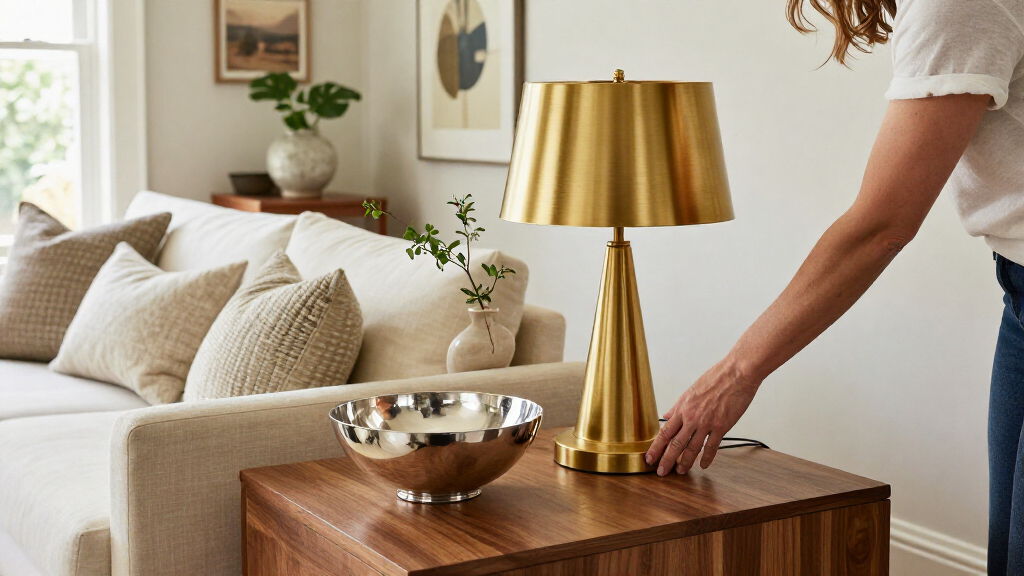
Interior-design guidance from Livingetc describes silver and gold as a workable pairing when their contrasting temperatures and reflective qualities are used deliberately. Designers recommend making the mix feel intentional, often by letting one metal lead and using materials such as wood or marble to shape the overall effect.
Livingetc has published advice on pairing silver and gold in contemporary home design, arguing that the contrasting metals can complement one another when their placement, finishes and balance are deliberate. Color expert Amy Moorea Wong and interior designer Pablo López of Casa Josephine describe how the metals affect light and atmosphere, and offer guidance for keeping a mixed-metal scheme cohesive rather than accidental.

Get furniture and decor delivered free with Prime
- Fast, free delivery on millions of items
- Prime Video, Amazon Music and more included
- Member-only deals all year
The advice centers on the metals’ different visual temperatures: silver reads cool and pale, while gold brings warmth. Wong says the contrast can make each metal more pronounced. Silver can seem crisper beside gold, she says, while gold appears warmer and more burnished. In her view, the pairing can create balance rather than competition.
The source also distinguishes metallic finishes from ordinary colors. Wong says silver and gold need a reflective or metallic quality, such as foil or leaf, to produce the luminous depth associated with them. López says they add texture and depth as well as associations with jewelry and other luxury objects. Their surfaces also influence the colors around them by reflecting light.
Lighting can change the effect across the day: Wong says silver’s reflective quality is especially apparent in daylight, while gold can add warmth under evening bulbs. The designers’ examples include using a silver art piece against a gold wall and console, and pairing silver cabinetry with brass hardware. The source does not provide measurements or a prescribed ratio for either approach.
Pairing Silver and Gold with Intention
Silver reads cool and pale; gold brings warmth. Their contrast can create balance when finishes, placement and light are chosen deliberately.
Choose the balance
The designers offer different approaches to making the pairing feel purposeful.
- Use one metal as the dominant shade.
- Let the other support it.
- Use both metals in larger surfaces or pieces.
- Expect a more theatrical, playful effect.
See how finishes shape the room
Metal color is only part of the effect: surface, material and reflected light all matter.
Silver clarifies
Its reflective quality can stand out in daylight and appear crisper beside gold.
Gold softens
Gold can bring warmth under evening bulbs and look more burnished beside silver.
Compare surfaces
Chrome, stainless steel, real silver, mirror and pewter vary by finish; wood can ground the shine.
Test the combination
There is no prescribed ratio; judge the effect in the actual room.
Decide whether silver or gold should take the most attention.
Check how the chosen surfaces sit together.
Look at the pairing in daylight and under artificial light.
Using Mixed Metals with Intention
For readers planning a room, the advice reframes mixed metals as a design choice rather than a rule-breaking combination. Silver and gold can affect both color and light, so their impact extends beyond the objects themselves. A reflective surface may brighten a space or alter how nearby materials appear, making the metals’ positions and finishes relevant to the overall scheme.
The pairing can also set a room’s tone. Wong says a restrained use can feel elegant and sophisticated, while a more extensive application can look theatrical and playful. That means the same materials may suit different interiors, but the intended effect should guide how prominently they are used. This is design guidance, not evidence that every combination will work in every room.
That distinction matters when choosing finishes and furnishings: repeated use of two shiny surfaces may create a very different impression from a single metal object in a room otherwise anchored by matte or natural materials. The source’s practical takeaway is to make the mix look purposeful and balanced, not like an unresolved choice between finishes.
Products Worth Considering

LEVOIT Vital 200S-P Smart Air Purifier for Large Rooms

Shark Navigator Robot Vacuum with 30-Day Self-Empty Base, White (AV2110S)

Sony BRAVIA 6 77-Inch OLED 4K HDR Smart Google TV with Gemini (K-77A60)
As an affiliate, we earn on qualifying purchases.
Why Silver and Gold Contrast
The design advice responds to a familiar question in decorating: whether cool silver and warm gold belong in the same room. The source treats them as opposites that can support one another, rather than as colors that must match. Wong compares their visual relationship to complementary colors, while noting that their metallic character is part of what gives them depth.
López says he has used the two metals together and separately in design projects. He favors using them in substantial surfaces or larger pieces rather than limiting them to small accents. Wong offers a different route: keep the balance uneven so one metal leads and the other supports, and consider a third metal, such as bronze, to soften the shift between them. These are individual design approaches, not a universal formula.
The source also points to variation within each metal family. López describes combining chrome, stainless steel in different finishes, real silver, mirror and pewter in one project. The broader point is that finish and material matter alongside metal color: a polished surface will read differently from a weathered or antiqued one.
“Silver and gold are the yin and yang of metallic shades, one cool and pale, the other warm and rich.”
— Amy Moorea Wong, Livingetc color expert
No Fixed Formula for the Mix
The source presents expert opinions and examples, not a tested design standard. It does not establish a recommended silver-to-gold ratio, specify which rooms or home styles are best suited to the pairing, or show how different lighting conditions change the result in a measured way. The right balance remains a matter of the desired effect and the finishes, materials and light in a particular space.
The article’s supplied text also ends partway through a discussion of materials that can soften metallic shine. It mentions wood as a grounding material and begins to refer to marble, but does not provide the complete explanation. Further recommendations from that section cannot be confirmed from the source material available here.
Test Finishes in Room Light
For anyone considering the combination, the guidance points to a practical next step: compare the intended finishes in the room where they will be used, under both daylight and artificial light. Decide whether silver or gold should lead, then assess whether a third metal or a less reflective material helps the scheme feel coherent. No further announcement or design milestone is reported; the source offers advice rather than describing a new product launch or industry change.
Key Questions
Can silver and gold be used together in a contemporary home?
Yes. The designers cited by Livingetc say the metals can work together when their contrast is deliberate. Silver tends to read cool, while gold adds warmth.
Should one metal dominate?
Wong recommends an uneven balance, with one metal taking the lead and the other supporting it. López, by contrast, says he is willing to use both in large surfaces and pieces. The source presents these as different approaches, not a single rule.
What materials can sit alongside silver and gold?
The source describes mixing metal finishes such as chrome, stainless steel, silver, mirror and pewter. It also mentions wood as a way to ground the shine and refers to marble, though the supplied discussion of marble is incomplete.
Does lighting affect how the pairing looks?
According to Wong, reflective silver can stand out in daylight, while gold can add warmth in the evening under bulbs. The source offers this as design guidance and does not quantify the effect.
Source: livingetc.com