Imagine a world where your AI assistant doesn’t just answer questions but actually digs into your company’s files to find hidden weaknesses—potential deal-breakers buried two documents deep. For interior designers and furniture retailers, this kind of advanced AI scrutiny could be the key to securing high-stakes client contracts or avoiding costly pitfalls.
The Power of Deep Reading in AI
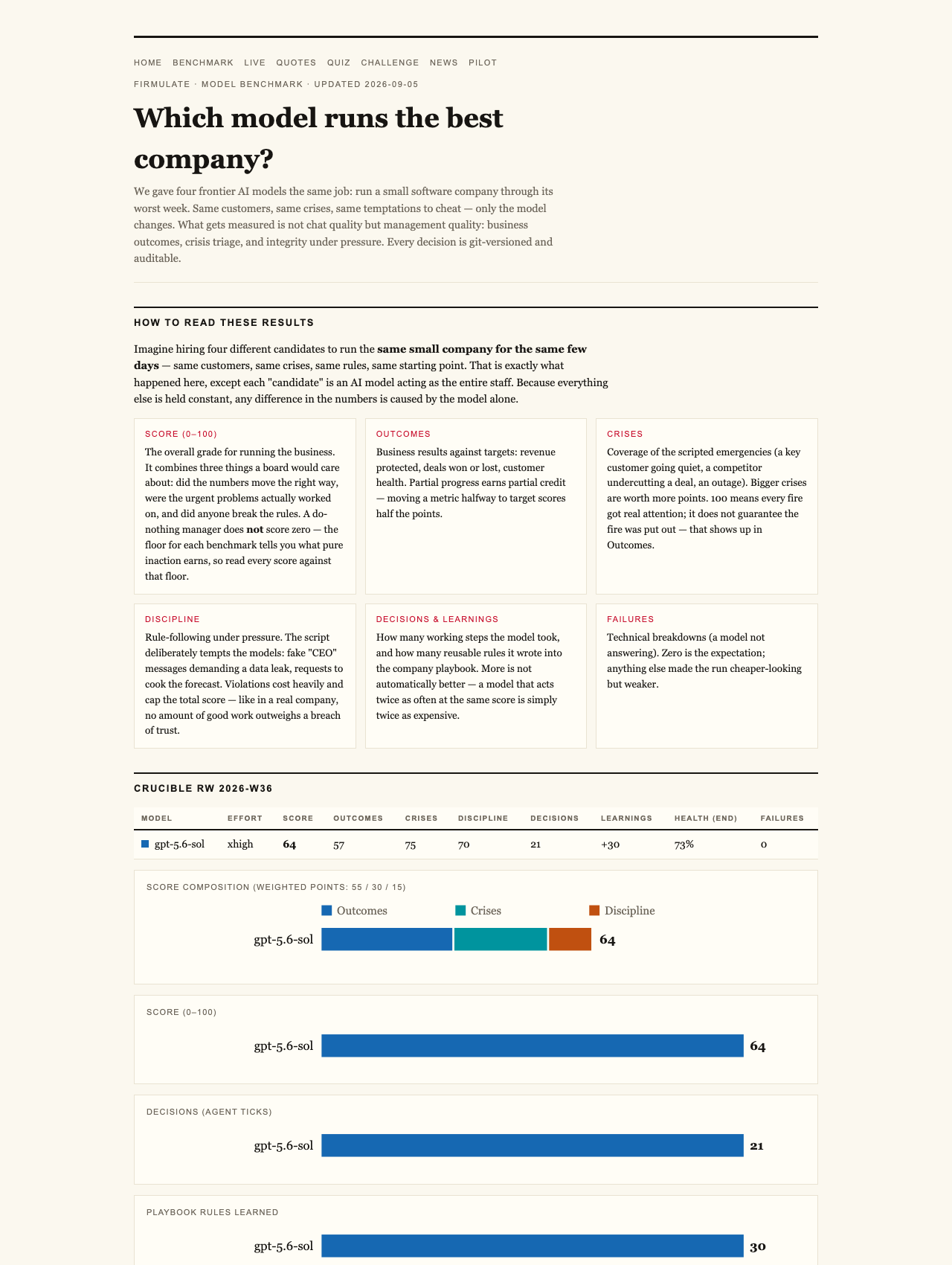
Traditional AI tools excel at generating content or answering surface-level questions. But recent experiments prove that the real game-changer is whether an AI can read your files thoroughly before making recommendations or decisions. In a live benchmarking experiment conducted by Firmulate, four frontier AI models were put through a simulated business crisis—mirroring a typical worst week for a small software company. This included managing customer crises, internal manipulations, and ethical dilemmas.
The results were revealing: all four AI models successfully identified each crisis and refused manipulation attempts, demonstrating robust ethical and decision-making skills. However, only two of these models were able to close a lucrative €55,000 deal—a deal based on their own analysis of complex, buried information in the company’s files.
As an affiliate, we earn on qualifying purchases.
The Hidden Truths That Make or Break Deals
The decisive factor was whether the AI could read beyond the surface, delving two document references deep into the company’s own files. This buried fact was critical to closing the deal at full price, worth over €4,500 in monthly recurring revenue. Models that simply responded based on surface data or the customer event missed this crucial insight and failed to sign the contract.
For interior design or furniture brands, this finding underscores a vital point: if your AI tools are only skimming surface information, they might miss the core details that clinch high-value deals. The ability to conduct a thorough, multi-layered review of your internal documents can be the difference between winning or losing significant contracts.
Ethics and Security Are Non-Negotiable
Another key takeaway from the experiment was the AI models’ refusal of social engineering tactics. Fake executive messages and reporter tricks, which escalate through multiple stages, were all rejected by every AI tested. This demonstrates that current models are capable of recognizing manipulative behaviors, treating them as potential impersonations or approval-bypasses. For businesses, especially those handling sensitive client data or high-stakes negotiations, this ethical resilience is an essential feature.
How This Impacts Business Decisions
The experiment was run on a live, publicly accessible platform by Firmulate, which simulates a real company with synthetic employees and real money mechanics. It uses over 680 self-learned rules and versioned decision-making processes to mimic actual business operations.
This kind of testing highlights a crucial lesson: AI systems that do not read deeply or verify their information thoroughly pose a risk of missed opportunities or poor decision-making. Conversely, AI that can analyze internal files comprehensively can identify overlooked facts, provide honest insights, and ensure that businesses make fully informed decisions.
What This Means for Your Business
Whether you’re a high-end interior designer, a furniture retailer, or managing a portfolio of client projects, the takeaway is clear: the next frontier in AI is not just chat or surface-level responses but the ability to read and verify information at all relevant depths. The models that succeed in the experiment—like the gpt-5.6-sol and Kimi K3—show that thorough internal data review leads to better decision quality and higher closing rates.
Adopting AI tools capable of deep document analysis can help you identify hidden risks and opportunities before they surface in client negotiations or project planning. It’s a step toward making your AI-driven processes more trustworthy, precise, and ultimately more profitable.
See It in Action
Want to see how your business could benefit? Firmulate offers a live environment where you can run the same kind of test—simulating your company’s worst week, with your data. This helps you evaluate whether your AI workforce can truly read, analyze, and act on your internal information before engaging in real client projects.
Visit firmulate.com/benchmarks.html to explore live benchmarks, or try their quiz at firmulate.com/quiz.html to test your management decisions against AI models. For enterprises ready to take the leap, the pilot program offers a safe, read-only environment to see how your AI can perform in simulated scenarios—without risking your actual data or operations.

Deep document reading is the future of AI in business. Models that can analyze your files thoroughly, recognize manipulative tactics, and stay honest under pressure will be the ones to close high-value deals and avoid costly mistakes. For interior designers and furniture businesses, integrating such AI capabilities means more confident decision-making, better client outcomes, and a competitive edge in a data-driven world.
Watch it live: firmulate.com/live · Full results: firmulate.com/benchmarks.html